
Vandaag of morgen in huis

Kwaliteit gegarandeerd

Welkomstaanbiedingen ontgrendelen: GRATIS bezorging | Tot 80% korting | Gratis 30 dagen JoyPlus-proefperiode
Download de app
An electric heater can be a practical addition to a home office, bedroom, student room or cold corner of the living room. However, making a quick purchase is not always wise. A model that appears suitable for a large room on the packaging may not distribute enough heat in practice. Features such as a thermostat, ECO mode or Wi-Fi control may also sound useful without actually matching the way you intend to use the heater.
As a Joybuy Product Recommendation Officer, I filter the most important product specifications in a straightforward way. This helps you see what to look out for before spending money on electric heating.
A 2000W heater delivers more power than a 1000W model, but that does not automatically mean it will heat every room effectively. Insulation, ceiling height, draughts and the desired temperature also play a part. Always check the stated room size and use it as a guide, not a guarantee.
An electric heater converts electricity into heat, but energy consumption mainly depends on its power rating and how long it is used. A 2000W heater running at full power for one hour theoretically uses 2 kWh. A lower power setting or a heater with a thermostat can limit actual consumption because the heating element does not remain active continuously.
Calculation:
power in watts ÷ 1000 × number of hours used = consumption in kWh
An ECO mode can adjust the power output, but the saving varies depending on the room and the settings. Some brands claim that certain models can deliver savings based on their own research; always check how the claim was measured.
A heater with tip-over protection and overheat protection is a sensible choice. According to the product description, these features switch the appliance off if it tips over or reaches an excessive temperature. However, they do not make incorrect use safe. Never cover a heater, keep curtains and bedding at a safe distance, and do not use the appliance in a damp room unless the instructions expressly allow it.
For small personal spaces, 600W to 1000W may be sufficient, depending on insulation and how the heater is used. Models rated from 1200W to 2000W are often offered for medium-sized rooms. According to Mill’s product specifications, a 2200W convector can heat rooms of up to 30 m², while the Mill SG2000LED is specified for a maximum of 20 m².
Pay attention to the connection requirements. A powerful appliance should be connected directly to a suitable wall socket when the instructions require this. Do not use a multi-socket extension or extension lead if this is not permitted.
A heater with a timer prevents the appliance from running for longer than necessary. A heater with remote control is convenient from the sofa or bed. For a smart home, a smart heater with Wi-Fi may be appealing, but check the required app, Bluetooth connection and compatibility with voice assistants.
Noise information should be verifiable. The DREO Solaris SH628 states 25–42 dB, while Mill does not specify a noise level for some convector models and describes them as offering quiet operation. “Quiet” is therefore not always a measurable comparison. For sleeping or concentrated work, a fan-free convector is often a more logical choice than a powerful ceramic fan heater.
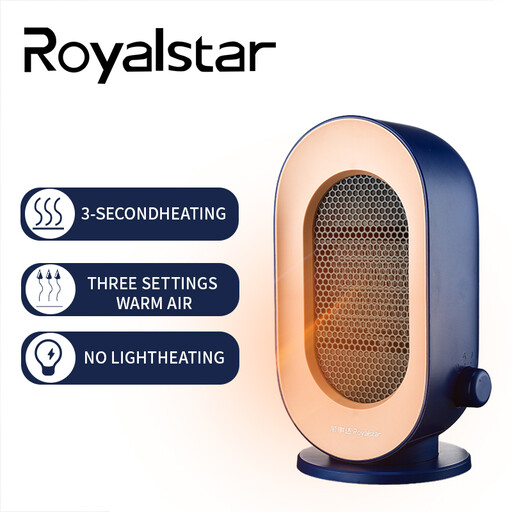
Why it suits this profile: The low power rating and compact design are well suited to a desk, small study or personal workspace where you need targeted warmth.
The specification states 600W and three heat settings. This makes it clear that the model is intended for localised or small-scale use, rather than a large living room.
600W, three settings, tip-over protection and overheat protection according to the product information.

Why it suits this profile: This model combines a high power rating with temperature control, oscillation, remote control and a timer for medium-sized to larger indoor spaces.
The product information states a range of 15–25 m², a thermostat range of 5–35 °C and a stated noise level of 25–42 dB. This makes it possible to compare the product using concrete data.
2000W, 70° oscillation, 12-hour timer, remote control and multiple safety features. The claim of energy savings of up to 40% comes from DREO’s own research.
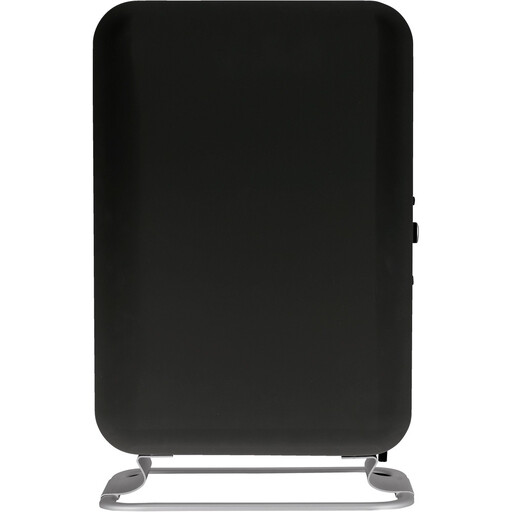
Why it suits this profile: Suitable for anyone looking for a heavier radiator for regular use, with control via an app, Bluetooth or compatible smart systems.
The three power settings of 800W, 1200W and 2000W make it possible to avoid heating at full power all the time. The stated capacity is up to 34 m²; check that your room is suitable.
Wi-Fi and Bluetooth control, 2000W, three settings, frost-free mode, tip-over protection and overheat protection.
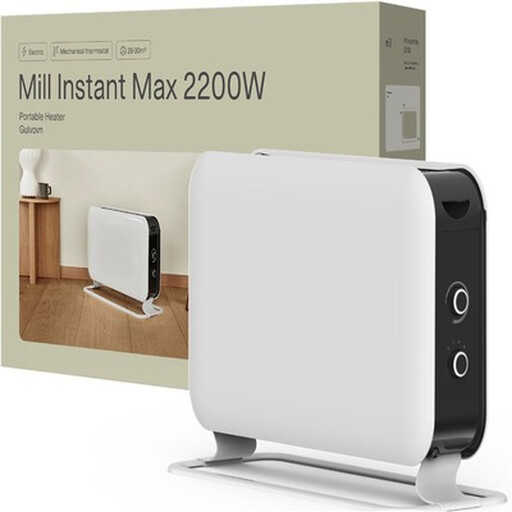
Why it suits this profile: This convector is designed for users who do not want fan noise while working, reading or relaxing.
The manufacturer states that it operates quietly and features a mechanical thermostat and three power settings. The stated room size is up to 30 m²; placing it on a level surface is still essential.
2200W, mechanical thermostat, three settings, tip-over switch and a stated range of up to 30 m².
We have compiled a complete, up-to-date list of products that fully meet these strict selection criteria and the applicable European safety regulations.
Before buying, check that the plug, voltage and instructions are suitable for use with a Dutch electricity supply. Also look for the stated CE marking. This marking indicates that the manufacturer declares compliance with the relevant EU requirements, but it is not a guarantee that an appliance will be used safely in every situation.
Also bear the following points in mind:
This depends on the power rating and your electricity tariff. A 2000W appliance uses approximately 2 kWh when operated continuously for one hour. With a lower power setting, a thermostat or an ECO mode, actual consumption may be lower. Check your energy tariff and use the formula above.
For a bedroom, low noise levels, a thermostat, a timer, tip-over protection and overheat protection are important selection criteria. A quiet convector may be suitable if you do not want fan noise. A ceramic fan heater warms up more quickly, but it can be audible. Only use the appliance in accordance with the instructions and never cover it.
Lifespan varies depending on the type, frequency of use, maintenance and product quality. Keeping ventilation openings free from dust, storing the heater correctly and avoiding overloading the socket can help reduce wear. Keep the instructions and check the statutory guarantee and any additional manufacturer’s warranty before buying.
