
Vandaag of morgen in huis

Kwaliteit gegarandeerd

Welkomstaanbiedingen ontgrendelen: GRATIS bezorging | Tot 80% korting | Gratis 30 dagen JoyPlus-proefperiode
Download de app
An electric heater can be a convenient solution for a cold home office, bedroom or student room. However, not every model is suitable for every space. A higher wattage does not automatically mean that a heater will operate more comfortably, quietly or economically.
Most unsuitable purchases result from three common misconceptions:
Only looking at the maximum power output
A 2,000 or 2,200-watt model provides powerful heat, but at full power it also uses more electricity. For a desk or small room, 600 to 1,000 watts may be sufficient.
Confusing “energy efficient” with low electricity consumption
An electric heater converts electricity into heat. An ECO mode, thermostat or timer can prevent the appliance from heating for longer than necessary, but it does not reduce the maximum power output.
Treating safety features as a substitute for caution
Overheating protection and tip-over protection are useful features. However, they do not make it safe to cover a heater, place it close to curtains or leave it running unattended.
The type of heater mainly determines how the warmth is distributed and how much noise you hear.
A compact, portable heater may be enough for a small workspace. In a living room, even heat distribution is often more important than a very fast airflow.
Power output is measured in watts. Also check the stated heating area, but use it as a guide. Insulation, ceiling height, windows and outdoor temperature all have a significant effect on the result.
A model with several heat settings is more practical than an appliance that only operates at maximum power. This allows you, for example, to choose a lower setting while working and a higher setting when briefly warming up the room.
Also look out for conflicting product information. Some models list different room sizes in the title and specifications. Check the technical details and manual before making a purchase decision.
A heater with a thermostat switches the heating element on and off around the set temperature. This is more convenient than repeatedly turning it on and off yourself. A heater with a timer can switch off automatically after a set period.
According to Mill’s product information, a day-and-night programme can lower the temperature when you are away. The manufacturer states that this could save up to 25 per cent on energy consumption. This is a claim made by Mill based on its own product information, not a guaranteed saving for every home.
For a smart heater, check whether full functionality requires control through the Mi Home app. A physical button or remote control is still useful if you do not always want to use a phone.
At a minimum, look for:
Do not use a heater in a bathroom or other damp area unless the model is expressly designed for this purpose. Keep textiles, paper, bedding and curtains at a safe distance. Product information for various models recommends leaving at least approximately one metre between the heater and flammable materials. Never cover the air inlet or outlet, and unplug the heater before cleaning or moving it.
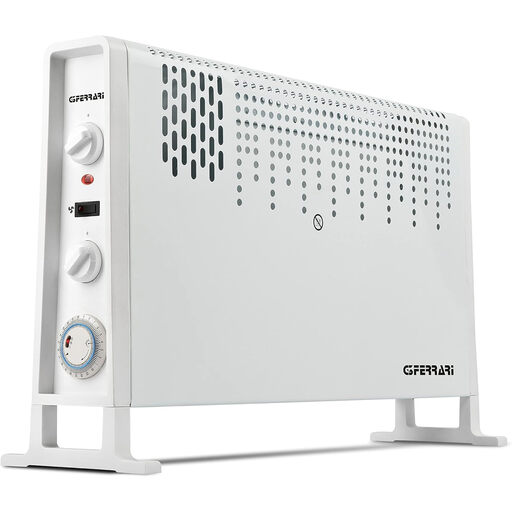
Why it suits this profile: This compact fan heater is designed for everyday indoor use and has an adjustable thermostat. Check the exact wattage details on the packaging or in the manual.
The thermostat helps prevent the heater from continuing to run unnecessarily. The product description also mentions overheating protection.
Compact design; adjustable thermostat and overheating protection.
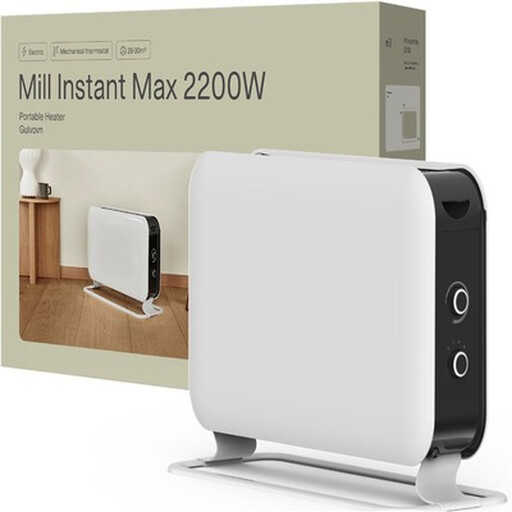
Why it suits this profile: According to the product information, this convector heater is suitable for rooms of up to 30 m² and operates without fan noise. That makes it a good fit for a living room or home office where peace and quiet matter.
The product lists three power settings and a mechanical thermostat. This means you are not limited to using only the maximum setting.
2,200 watts maximum power; three settings; mechanical thermostat; quiet operation according to the specifications.
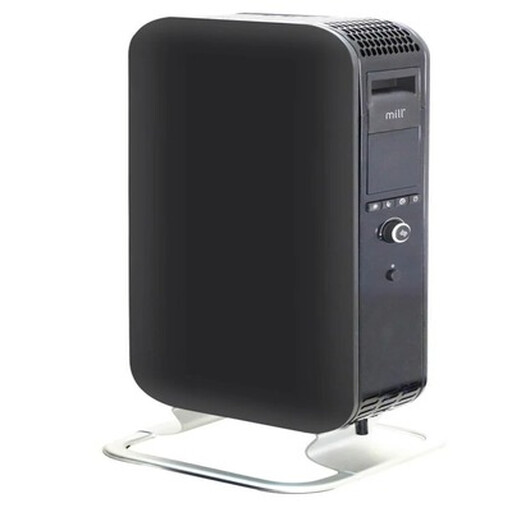
Why it suits this profile: This oil-filled radiator has three settings of 400, 600 and 1,000 watts, an LED display and a day-and-night thermostat. The freestanding design weighs approximately 9.8 kg and is best suited to a permanent position.
The lower settings and programmable thermostat give you more control than simply switching the heater on or off. Mill states that it could save up to 25 per cent on energy based on its own information; actual consumption varies depending on how and where it is used.
1,000 watts; day-and-night programme; LED display; tip-over and overheating protection.
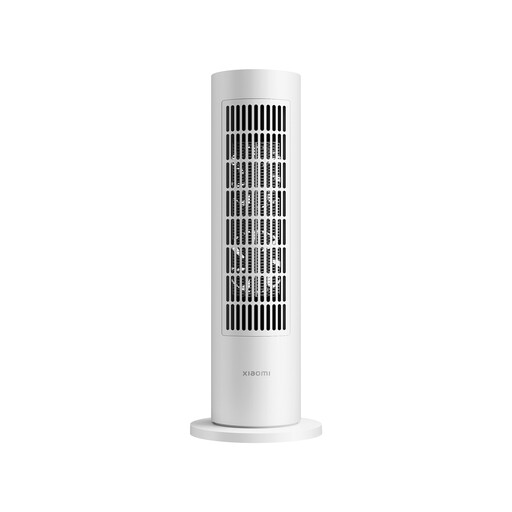
Why it suits this profile: This smart heater combines PTC ceramic heating with control through the Mi Home app, a thermostat and a timer. Its tower design takes up relatively little floor space.
The timer and thermostat help limit the operating time. However, check the app and network requirements beforehand; smart control does not remove the need to position the heater safely and supervise it.
2,000 watts; app control; timer; thermostat; tip-over and overheating protection according to the product information.
We have put together a complete, up-to-date list of products that fully meet these strict selection criteria and the applicable European safety regulations.
The cost depends on the power output, how long you use it and your electricity tariff. A 2,000-watt heater uses 2 kWh per hour at full power. A 1,000-watt model uses 1 kWh per hour under the same conditions. Multiply this by your current price per kWh to estimate the cost.
A thermostat, timer or ECO mode can limit the number of hours the heater runs. This does not mean that every ECO function works in the same way. Check the product information to see whether the function adjusts the power output, switches between settings or simply switches the heater off automatically.
An electric heater is usually intended mainly for supplementary heating. It can be practical for a single workspace or small room. For an entire home, the hours of use and electricity costs can quickly add up.
Where possible, use a timer and follow the instructions. Position the heater away from bedding, curtains and furniture, and never cover it. Tip-over or overheating protection provides an additional layer of safety, but is not a reason to ignore the basic safety rules.
The lifespan varies depending on the model, how often it is used and how well it is maintained. Allow the appliance to cool down before cleaning it, keep the air vents free of dust according to the instructions, and do not use it if the cable, plug or casing is damaged. Keep your proof of purchase and check the applicable statutory guarantee.
