
Vandaag of morgen in huis

Kwaliteit gegarandeerd

Welkomstaanbiedingen ontgrendelen: GRATIS bezorging | Tot 80% korting | Gratis 30 dagen JoyPlus-proefperiode
Download de app
A chilly home office, a brisk attic, or a bathroom you'd rather not linger in? An electric heater is often a practical solution for targeted warmth, precisely where and when you need it. It's a popular way to turn down the central heating and save on your gas bill. But the market is flooded with models promising the world. Many people fall for marketing traps and end up with a heater that is power-hungry, makes too much noise, or fails to even get the room comfortably warm.
Before you make a choice, it's wise to know what to look for. We've listed the most common pitfalls to help you avoid buyer's remorse.
convector heater can be very distracting in a bedroom or home office.electric heater with a thermostat that accurately regulates the temperature is essential for comfort and manageable consumption.You don't need to read a technical manual to make the right choice. Focus on a few key points that determine whether a heater is right for your situation.
The power, expressed in Watts, determines how much heat a heater can generate. Too little power won't warm the space, while too much power consumes unnecessary electricity. A good rule of thumb for an averagely insulated room is:
For a 15 m? home office, you would need a heater with a power output of around 1500 Watts. Many models have multiple heat settings, giving you flexibility. This allows you to use a lower setting to maintain the temperature, which makes an energy-efficient heater more effective in practice.
Not all electric heaters work the same way. The type of technology determines how quickly and in what manner the heat is distributed.
ceramic heater provides fast, targeted heat and is often compact. This makes it suitable as supplemental electric heating for places where you need heat quickly.Safety is crucial, especially with a device that produces heat. Look for the following two features:
For use in damp spaces, a bathroom heater with a suitable IP rating (such as IPX2 or higher) is required. This indicates that the device is protected against splashing water. Features like a timer or smart heating via an app offer extra convenience and help you save energy by automating the heating schedule.
Based on these criteria, we have selected a number of models that suit different user profiles.
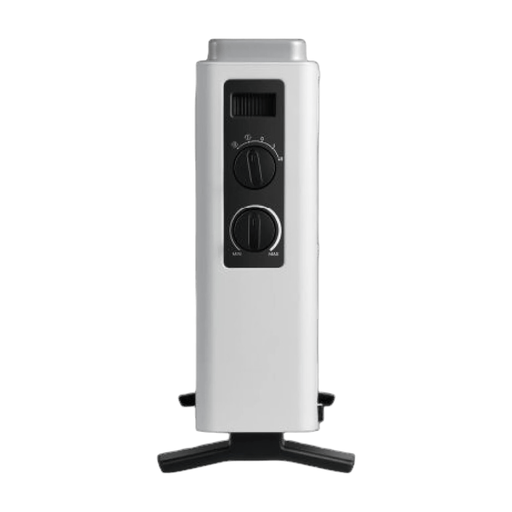
Why This Fits Their Persona: Ideal for students or renters looking for an affordable and simple solution for a small room. This mobile heater is lightweight and easy to move to where the heat is needed.
The mechanical thermostat helps maintain a constant temperature and prevent waste (pitfall 3). With three power settings (800/1200/2000W), you can adjust consumption to the situation (pitfall 1).
Simple operation without unnecessary features. Equipped with overheat and frost protection.
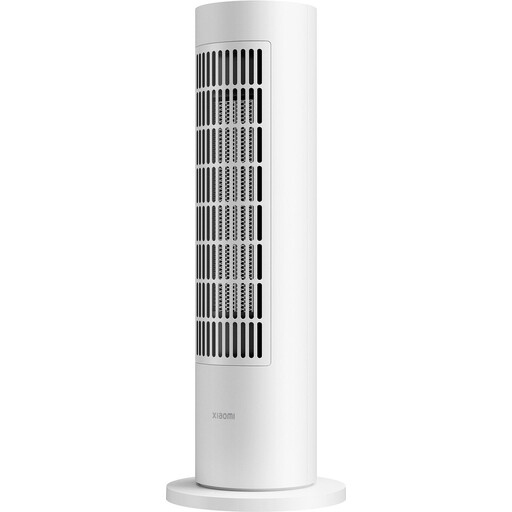
Why This Fits Their Persona: Perfect for those seeking comfort and convenience. This smart ceramic heater can be controlled remotely via an app, so your home office is already warm when you start working.
The smart thermostat and app control ensure precise temperature regulation and efficient energy use (pitfalls 1 & 3). The PTC ceramic element and its construction are designed for quiet operation (pitfall 2).
Remote control via the Mi Home app. Modern, space-saving tower design with tip-over and overheat protection.
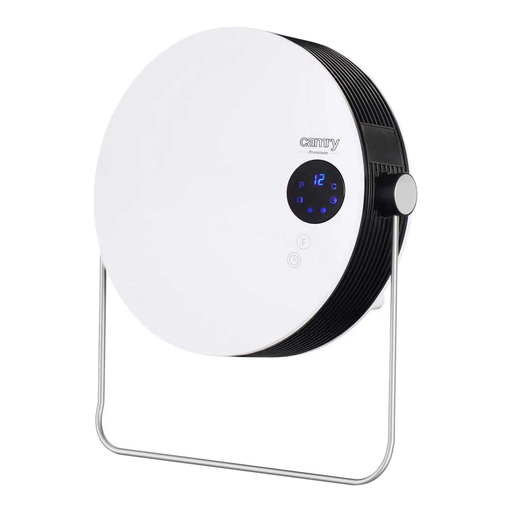
Why This Fits Their Persona: Specifically designed for the bathroom. This wall-mounted heater not only warms the room but also has a handy rack to pre-warm or dry your towels.
The programmable weekly timer and open-window detection actively combat energy waste (pitfalls 1 & 3). The IPX2 rating guarantees safe use in a damp environment, a point where standard heaters fail.
IPX2 water resistance, a built-in towel rack, and a comprehensive programmable timer for the entire week.
We have compiled a complete, up-to-date list of products that fully meet these strict selection criteria and safety regulations.
The cost depends on the power (in Watts) and the current electricity price. The calculation is simple: divide the heater's wattage by 1000 to get the consumption in kilowatts (kW). Multiply this by the price per kilowatt-hour (kWh). Example: A 2000W heater consumes 2 kW. At an electricity price of €0.30 per kWh, running it at full power costs €0.60 per hour. However, a model with a good thermostat will not run continuously at full power, which reduces the cost.
Electric heaters are very efficient at converting electricity into heat. However, the term energy-efficient heater is relative. Electricity is often more expensive per kWh than gas. The real savings come from its use: you use the heater as supplemental electric heating to warm one specific room, instead of the whole house via the central heating boiler. This allows you to turn down the central heating thermostat by a few degrees and still work or relax comfortably. This is a form of gas-free heating for a specific zone.
The lifespan depends on the quality of the components and the intensity of use. A ceramic heater often has a longer lifespan than a model with a heating coil because the element wears out less. With normal use and proper maintenance (like keeping the grilles dust-free), a quality electric heater can last for many years. Furthermore, a minimum legal warranty of 2 years applies within the EU.
