
Vandaag of morgen in huis

Kwaliteit gegarandeerd

Welkomstaanbiedingen ontgrendelen: GRATIS bezorging | Tot 80% korting | Gratis 30 dagen JoyPlus-proefperiode
Download de app
An electric heater may seem simple: plug it in, set the temperature and you’re done. Yet households regularly buy a model that is not suitable for the room or intended use. A compact fan heater, for example, can provide heat quickly, but is less suitable if you are looking for quiet electric heating over longer periods. A powerful model may also use unnecessarily large amounts of electricity when the room is small.
Pay particular attention to these three common pitfalls:
The intended use is the key consideration when it comes to supplementary electric heating. A fan heater or ceramic PTC heater distributes heat quickly and is suitable for short-term use in a home office, bedroom or small room. The downside is that a fan can be noisy.
A convector heater warms the air more gradually. This type is worth considering for a living room, study or bedroom where you want warmth for longer periods without fan noise. Always check the stated room size. According to the product information, a 2200-watt Mill convector heater is suitable for rooms of up to 30 m², while a 1200-watt model from the same brand is specified for a maximum of 18 m².
An oil-filled radiator generally responds more slowly, but can provide pleasant, even heat over longer periods. The appliance remains warm for some time after it has been switched off. Bear in mind that it is heavier and takes up more floor space.
A standard electric heater is not automatically suitable for a bathroom. Check the IP rating, installation instructions and permitted safety zones. According to the manufacturer’s product information, a model with an IPX2 rating is designed for bathroom use, but it must still be positioned in accordance with the instructions and local regulations.
The power rating is stated in watts. You can estimate the running cost easily:
power in kW × hours of use × electricity price = estimated energy cost
A 2000-watt heater running at full power for one hour uses approximately 2 kWh. A thermostat switches the heating element on and off once the set temperature is reached. As a result, actual consumption may be lower, depending on the insulation and outdoor temperature.
Also consider the number of power settings. A model with 1400 and 2200 watts gives you more choice than an appliance with just one fixed setting. A lower power rating may be sufficient for a small room; in a draughty living room, the combination of power and heat distribution is particularly important.
A mechanical thermostat is straightforward and easy to use. An electronic model can set the temperature more precisely and may include a display. A timer prevents the heater from running unnecessarily when you are not using the room.
A smart electric heater with Wi-Fi can be useful for regular routines. Before buying, check whether you need an app, an account and a suitable Wi-Fi connection. Also check whether the app offers features you will actually use, such as weekly programmes, holiday mode or room-by-room control.
Measure the space where you plan to place the heater. A slim tower model saves floor space, while a flat convector may require more wall length. Check the cable length and avoid using extension leads if the manufacturer advises against it.
Also look for:
A manufacturer’s claim about quiet operation should be read as product information from that particular brand, not as a universal guarantee for every user. According to the product descriptions, Mill does not state a noise level or silent operation for some convector models, while Adler gives a noise level of less than 50 dB for the AD 7730.
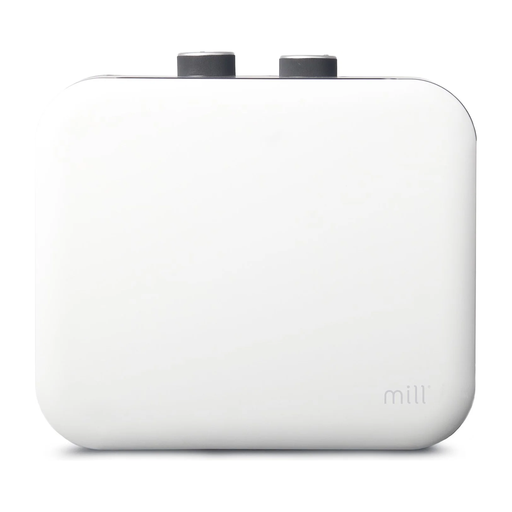
Why it suits this profile: This compact model has two settings of 1200 and 1800 watts and, according to the product information, is suitable for rooms of up to 30 m². The mechanical thermostat keeps operation simple.
You are not choosing based on appearance alone: the wattage, settings, size and stated room capacity are clearly specified.
PTC ceramic element, 2 heat settings, thermostat, tip-over and overheat protection.
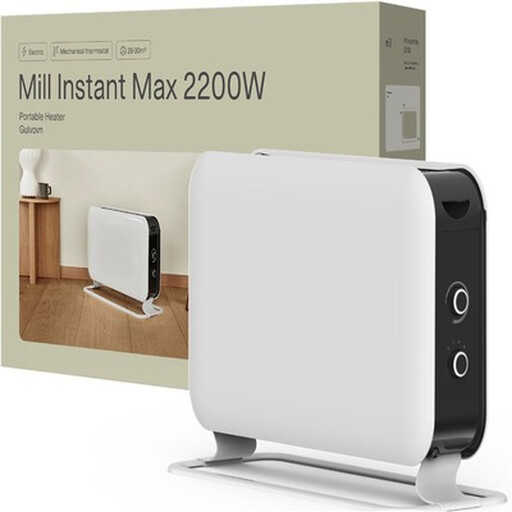
Why it suits this profile: A suitable choice for anyone looking for a quiet convector heater with a high power rating and straightforward controls for a larger living or working space.
The stated capacity of up to 30 m² helps prevent you from buying a model that is too small for the intended room.
2200 watts, 3 power settings, mechanical thermostat, tip-over switch and 160 cm cable.
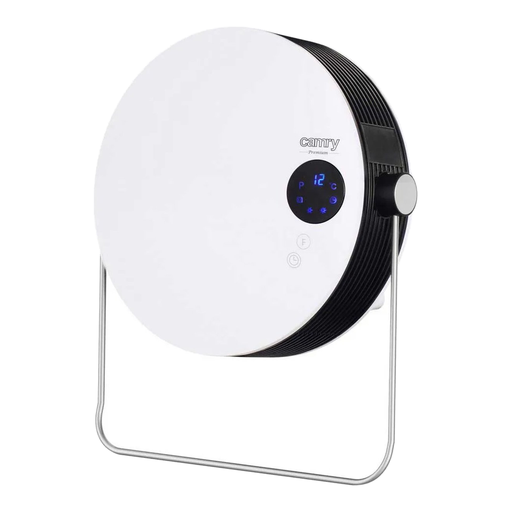
Why it suits this profile: This wall-mounted model is designed for bathroom use and features a towel rail, weekly timer and adjustable temperature range from 10 to 49 °C.
The IPX2 rating and bathroom positioning make it clear that you should not simply place a standard heater near water. Check the installation instructions.
Wall mounting, 1400/2000 watts, overheat protection, open-window detection and programmable weekly timer.
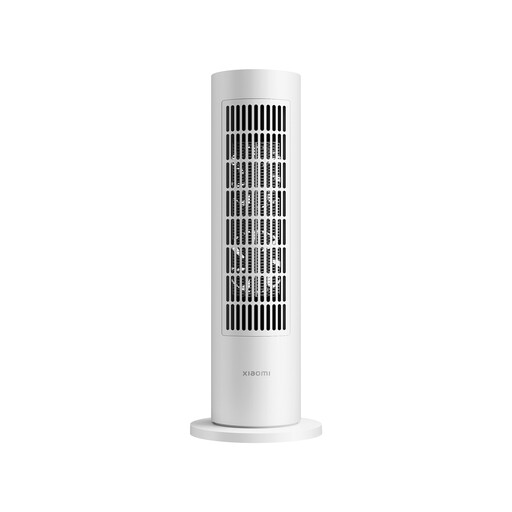
Why it suits this profile: App and voice control, a timer, thermostat and oscillation are ideal for users who want to incorporate electric heating into their daily routine.
You can schedule settings instead of leaving the heater running unattended at full power for long periods. The app is required for full control.
2000 watts, PTC ceramic technology, tip-over and overheat protection, timer and app control.
Do not place an electric heater beneath clothes, blankets or towels. Keep flammable materials well away and only use the appliance in the environment for which it is intended. A bathroom heater with an IP rating is not automatically suitable for every location in a wet room.
Before each use, check the plug, cable and casing. Stop using the heater immediately if you notice an unusual smell, damage or abnormal noise. Switch the heater off and unplug it before cleaning or moving the appliance. Always follow the supplied instructions; product specifications may vary between versions.
We have put together a complete, up-to-date list of products that fully meet these strict selection criteria and the applicable European safety regulations.
That depends on the room size, insulation, ceiling height and desired temperature. Use the stated maximum room capacity as a guide, not a guarantee. A well-insulated room generally requires less power than a draughty space. Measure the room, then compare the wattage and thermostat functions.
That depends on the energy price, the efficiency of your heating system and which room you are heating. Supplementary electric heating can be practical when you only want to heat one room temporarily. Calculate the cost using the power rating in kW, the number of hours of use and your current electricity tariff.
The lifespan depends on build quality, frequency of use, storage and maintenance. Keep ventilation openings clear, remove dust according to the instructions and store a compact heater in a dry place. Also keep your proof of purchase: in the European Union, the minimum statutory legal guarantee of conformity is two years, in addition to any extended manufacturer’s warranty.
