
Vandaag of morgen in huis

Kwaliteit gegarandeerd

Welkomstaanbiedingen ontgrendelen: GRATIS bezorging | Tot 80% korting | Gratis 30 dagen JoyPlus-proefperiode
Download de app
An electric heater is useful when you want to warm a single room quickly without turning up the central heating. There’s plenty of choice, from an electric fan heater for your home office to a convector heater for your living room. The difference isn’t just in the wattage. Noise, thermostat control, placement and safety features all play an important part in how comfortable and safe a heater is to use.
An electric heater rated at 2000 watts uses around 2 kWh per hour at full power. That doesn’t automatically mean it will heat every room efficiently. A small bedroom may need less power, while a larger or poorly insulated room may take longer to warm up. So check the stated room size and consider how well insulated the space is.
Also look out for models where the wattage in the title doesn’t exactly match the technical specifications. Always check the product page, the number of settings and the maximum power.
A heater converts electricity into heat, but its energy use depends mainly on its power, how long you use it and the thermostat setting. An ECO mode or timer can help you heat for less time or at a lower setting. It doesn’t automatically make a heater cheap to run.
For example, a 1500-watt heater running at full power for two hours would theoretically use 3 kWh. Actual usage may be lower if the thermostat temporarily switches off the heating element.
Tip-over protection and overheat protection are important features, but they don’t replace basic safety precautions. Never cover a heater, keep curtains, bedding and paper at least around one metre away, and don’t use the appliance in a damp room unless the model is specifically designed for it.
A standard portable heater shouldn’t be used in the bathroom. A model with a suitable IP rating, such as the Camry CR 7747 with IPX2 according to the product description, is a different category. Always check the instructions and the specified placement requirements.
A compact electric heater rated at 600 watts may be enough for a small room or personal workspace. The Xiaomi Desktop Heater measures 142 × 132 × 188 mm and has a low stated power rating. This type of heater is primarily designed to provide direct heat nearby, rather than replace room heating.
Models rated at around 1200 to 2000 watts are common choices for bedrooms, living rooms and home offices. The Mill SG2000LED is rated at 2000 watts and is suitable for rooms up to 20 m². The Mill CUS1800MEC is rated at 1800 watts and has a stated coverage area of up to 30 m². These figures are guidelines: ceiling height, draughts and insulation all affect the results.
An electric fan heater actively blows warm air into the room. This provides a quick feeling of warmth, but the fan can be noisy. A ceramic fan heater uses a PTC ceramic heating element. According to the product description, the Mill CUS1800MEC has a lower surface temperature and produces less dust scorching. This information comes from the product description and isn’t a general guarantee for every situation.
A convector heater warms the air, which then rises. This usually provides more even, quieter heating, but the warmth may feel less immediate than with a fan heater. The Mill SG2000LED is described as quiet and features an electronic thermostat, three settings and a fan to distribute heat more widely.
A heater with a thermostat can maintain your chosen temperature more accurately than a basic model with just an on/off switch. A timer is handy in the bedroom or if you only want to use the heater at certain times. Check the difference between a simple countdown timer and a programmable weekly timer.
A heater with a remote control is convenient when you’re on the sofa or in bed. Some models also offer ECO mode, oscillation, child lock or app control. These features make a heater easier to use, but check whether you really need them. More features also mean more settings and potentially a higher purchase price.
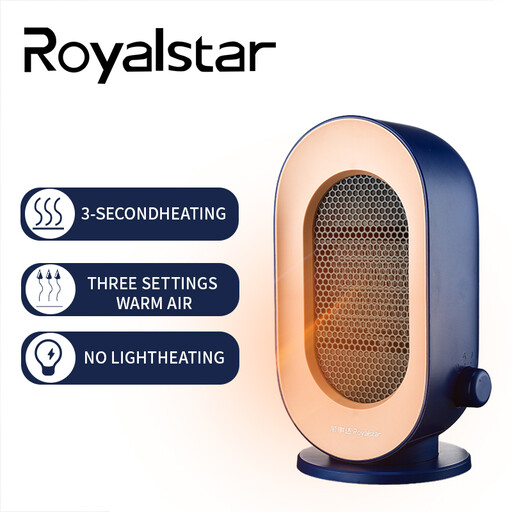
Why it suits this profile: Its low stated power and compact design make it a good fit for a desk, small workspace or direct personal heating.
The specifications state 600 watts and three heat settings, so you don’t have to heat at the highest setting straight away.
600 watts, three settings, compact design, plus tip-over and overheat protection according to the product information.

Why it suits this profile: This model combines 2000 watts with thermostat control, a remote control, oscillation and a timer, making it a good choice if you want plenty of convenient features.
Its stated coverage of 15–25 m², temperature range of 5–35 °C and noise level of 25–42 dB make it easier to compare with other models than a simple claim about fast heating.
2000 watts, 70° oscillation, 12-hour timer, remote control and several safety features.
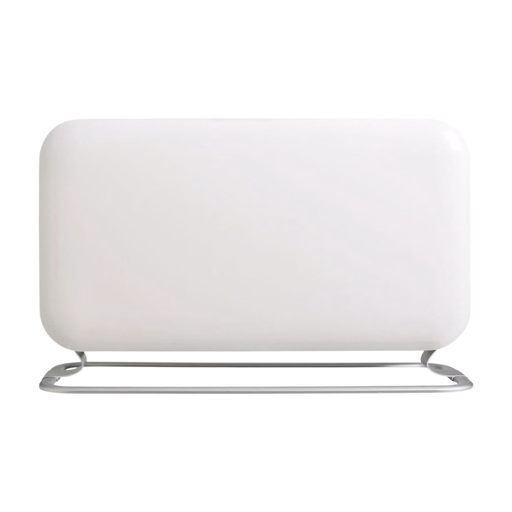
Why it suits this profile: This freestanding convector heater is a good choice if you’re looking for quiet supplementary heating for a larger living space.
The product information lists the power, three settings, an electronic thermostat and a stated coverage area of up to 20 m².
2000 watts, LED display, thermostat, fan for heat distribution and, according to the description, quiet operation.
We’ve put together a complete, up-to-date list of products that meet these strict selection criteria and the applicable European safety requirements.
It depends on the floor area, insulation and how quickly you want the room to heat up. A lower-powered model may be enough for a small bedroom. Models rated at 1500 to 2000 watts are often marketed for rooms of around 15 to 20 m². Use the stated coverage area as a guide, not a guarantee.
A timer and thermostat can help you plan when to use the heater, but always follow the instructions. Keep the heater unobstructed, never cover it and keep textiles at a safe distance. Switching it off and unplugging it when it’s not needed remains the safest option.
Multiply the power in kilowatts by your electricity tariff. A 2000-watt model running continuously at full power uses around 2 kWh per hour. A thermostat, lower setting or timer can reduce the time it runs and therefore limit energy use.
