
Vandaag of morgen in huis

Kwaliteit gegarandeerd

Welkomstaanbiedingen ontgrendelen: GRATIS bezorging | Tot 80% korting | Gratis 30 dagen JoyPlus-proefperiode
Download de app
An electric heater may seem simple: plug it in, choose the power setting and the room gets warmer. Yet many households, tenants and home workers buy a model that is not well suited to their room or intended use. A small fan heater, for example, can provide heat quickly but may be distracting during an online meeting. A powerful electric heater can also place a heavy load on a socket.
The main pitfalls are:
Heating capacity is expressed in watts. An electric heater rated at 2000 watts is suitable for powerful supplementary heating in a medium-sized room, but the actual result depends on insulation and the outdoor temperature. Always check the stated maximum floor area or volume.
As a practical guide:
A thermostat prevents the heating element from running continuously once the set temperature has been reached. This makes a heater with thermostat more convenient than a model with on/off control only.
A convector or convection heater warms the air, which then circulates around the room. This type generally operates quietly and is suitable for prolonged supplementary electric heating. According to the product information, the Mill CO2200MECMAX has a power output of 2200 watts, three settings, a mechanical thermostat and a stated coverage of up to 30 m².
A fan heater distributes heat more quickly because a fan moves warm air around the room. This is useful when you want direct heat for a short period, but check the noise level if you plan to use the heater near a desk or bed. A ceramic version with a PTC element, such as the Mill CUS1800MEC, has two settings of 1200 and 1800 watts and is designed for rooms of up to 30 m² according to the product description.
An oil-filled radiator heats up more gradually and continues to give off heat for some time after being switched off. It generally operates quietly, but the appliance is heavier and less easy to move. Models with day/night programmes or app control allow you to match operating times more closely to your routine.
Look for features that suit the way you use the heater every day:
Use an electric heater on a flat, stable and dry surface. Never cover the appliance, and keep curtains, paper, bedding and furniture at a safe distance. Ideally, connect a powerful model directly to a suitable wall socket and check the instructions. Not every model is suitable for use in a bathroom. Check the stated IP rating and installation requirements. According to the product information, the Camry CR 7747 has an IPX2 rating and is intended for wall mounting in the bathroom; follow the installation and safety instructions carefully.
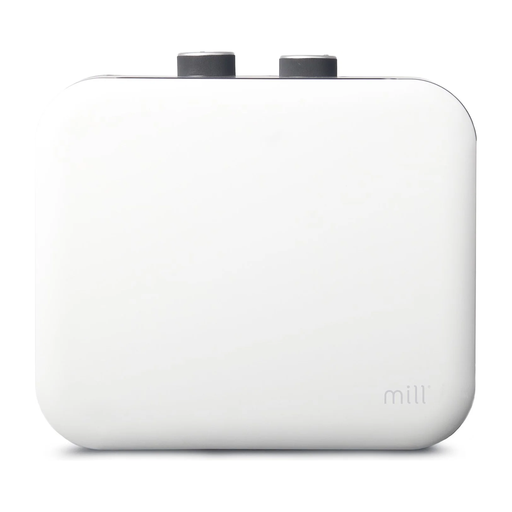
Why it suits this profile: A compact choice for anyone looking for simple supplementary electric heating for a home office or another indoor space.
The product information lists two settings, a mechanical thermostat and tip-over and overheat protection. This means you do not have to heat exclusively at maximum power.
1800 watts, two heat settings, compact size and stated suitability for rooms of up to 30 m².
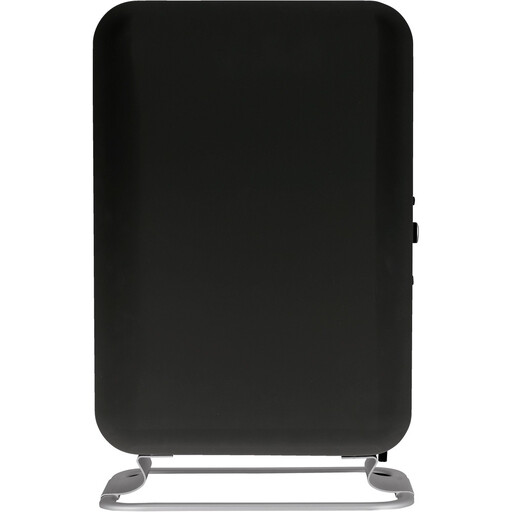
Why it suits this profile: For anyone who values quiet, even heat and remote control in a larger living space.
The three settings of 800, 1200 and 2000 watts allow you to use a lower power level. The app can also help you match heating times to your schedule. According to the product information, Wi-Fi, Bluetooth and safety features are built in.
2000 watts, stated coverage of up to 34 m², Wi-Fi control, three settings, tip-over and overheat protection.

Why it suits this profile: Designed for anyone who wants extra warmth in the bathroom and needs a fixed wall-mounted solution with a timer.
The IPX2 rating, wall mounting and overheat protection are clearly stated. However, always check the installation requirements and keep the appliance away from direct splashes.
1400/2000 watts, adjustable thermostat from 10 to 49 °C, weekly timer and open-window detection according to the product information.
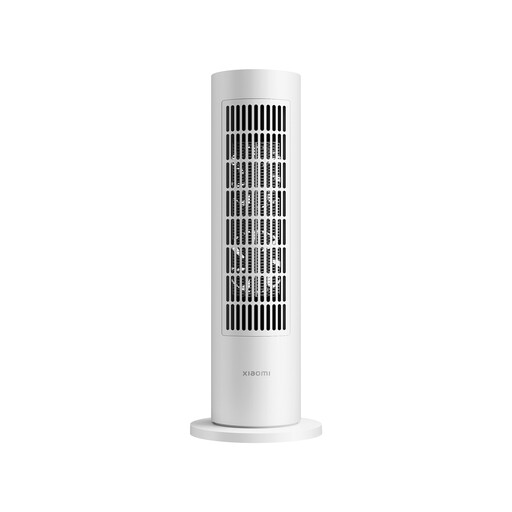
Why it suits this profile: A portable indoor heater with app control, timer and oscillation for quick warmth at a desk or in a sitting area.
As well as rapid heating, it offers a timer, thermostat and multiple settings. This allows you to limit use to the times when you need the room.
2000 watts, PTC ceramic element, app and voice control according to the product information, timer and tip-over protection.
We have put together a complete, up-to-date list of products that fully meet these strict selection criteria and the applicable European safety requirements.
This depends on the floor area, insulation, draughts and ceiling height. A 1000-watt model may be suitable for a smaller, well-insulated room. For larger spaces or faster heating, people often look at 1800 to 2200 watts. Use the product’s stated room size as a guide, not a guarantee for every home.
The calculation is: power in kilowatts × your electricity tariff. A 2000-watt heater uses 2 kWh per hour at full power. At an electricity tariff of, for example, €0.30 per kWh, that works out at approximately €0.60 per hour. A thermostat, lower setting and timer can limit the number of hours the heater runs. The actual cost depends on the settings and how well the room retains heat.
A convector heater or oil-filled radiator without a fan is an obvious choice when keeping noise to a minimum is important. Check the product specification: “none” or a low stated noise level provides more reassurance than general claims such as “whisper-quiet”. A fan heater often warms the room more quickly, but the fan noise may still be noticeable while sleeping or working.
