
Vandaag of morgen in huis

Kwaliteit gegarandeerd

Welkomstaanbiedingen ontgrendelen: GRATIS bezorging | Tot 80% korting | Gratis 30 dagen JoyPlus-proefperiode
Download de app
An electric heater can quickly make a cold bedroom, workspace or garage more comfortable. However, not every model is suitable for every room. A compact desk heater, for example, is not designed to heat a large living room, while an electric fan heater for a workshop may need more power than a standard socket can practically supply.
If you look only at the wattage or a term such as “energy-efficient”, you could end up with an unsuitable or expensive purchase. Pay particular attention to the heat output, controls, safety features and intended use.
A 2000-watt heater delivers a powerful flow of air at full power, but wattage doesn’t tell you everything about how the heat is distributed. The size of the room, insulation, ceiling height and draughts all have an impact too. A fan heater can warm a small room quickly, but may be less suitable if you want to spread the heat evenly over a longer period.
A PTC ceramic heater uses a ceramic heating element. This is a common type of ceramic heating, but it doesn’t automatically make an appliance energy-efficient. At 2000 watts, the maximum electricity consumption remains around 2 kWh per hour when the element runs continuously at full power.
An ECO mode can adjust the power or operating time based on the set temperature. According to PELONIS’s product description, ECO mode adjusts the heater’s operation to the ambient temperature. This can limit energy use when the room is already warm enough, but it doesn’t guarantee a particular level of energy consumption.
A thermostat is therefore more important than a marketing term alone. It lets you set your preferred temperature, so the heater doesn’t have to run continuously at its maximum setting. Also check whether the thermostat displays the temperature you can set, or simply uses a basic dial.
An electric heater should be placed on a stable, dry, hard surface. Ideally, choose a model with:
These features are no substitute for safe use. Keep curtains, paper, bedding and furniture well away from the heater. Don’t use an electric fan heater in a damp room unless the manufacturer explicitly says it is suitable.
A compact model with 600 to 1500 watts may be sufficient for a desk, small bedroom or personal workspace. For a living room or larger, poorly insulated space, 2000 watts may be more practical. Don’t rely solely on the stated coverage in square metres: this depends on insulation and other conditions.
Electric fan heaters for workshops are available in 2 kW or 3 kW versions for garages, workshops and building sites. If you’re considering a 3 kW model, check that your power supply is suitable. Don’t connect a powerful appliance to an overloaded extension lead or multi-socket adaptor without checking first.
A heater with a timer can switch off automatically after a set period. This is useful if you don’t want to leave it running unnecessarily. A heater with a remote control is handy when you’re in bed or sitting on the sofa. Oscillation helps spread warm air more widely around the room.
A smart model with app or voice control may be a good choice if you use a compatible smart home platform. Check in advance whether you’ll need an account, a Wi-Fi connection or a specific app.
A portable heater with a handle is easy to move between the office, bedroom and living room. A tower model takes up little floor space, but still needs to be positioned clear of walls and furniture. A desk heater is designed to warm a small area, not an entire home.
Also check that the technical details are clearly listed: 220–240 V, the number of heat settings, dimensions, weight and available safety features. Pay extra attention to product information that doesn’t clearly state the specifications before you order.
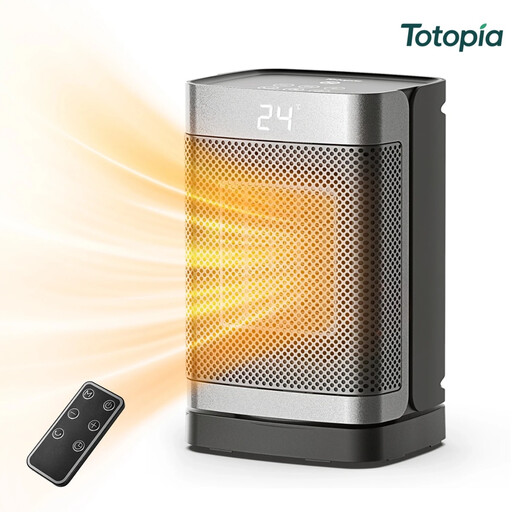
Why it suits this user: This compact model is designed for bedrooms, offices and personal workspaces. Its two heat settings make it easy to adjust the power.
The adjustable temperature, 12-hour timer and two heat settings mean you’re not limited to heating at maximum power.
1500 watts, remote control, LED display, oscillation, tip-over protection and overheating protection.
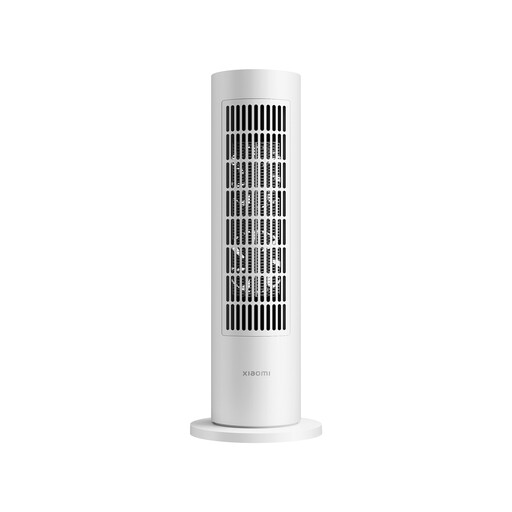
Why it suits this user: Its tower design, 70° oscillation and app or voice controls make it a good fit for anyone who values comfort and smart home features.
The thermostat and multiple modes let you adjust the heat more precisely than with a simple on/off switch.
2000 watts, PTC heating, 70° oscillation, app control, timer, automatic shut-off and tip-over protection.
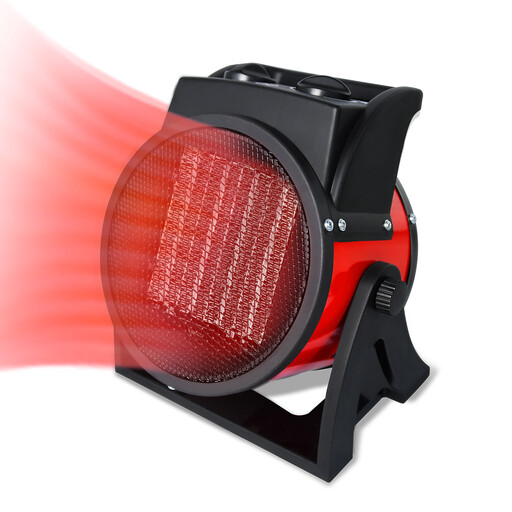
Why it suits this user: This type of electric fan heater is designed for places such as workshops, garages and building sites, where extra heat is needed in a specific area.
The product is listed for heating workshops and building sites. Before use, check the electrical circuit, ventilation and positioning instructions.
2 kW power, PTC heating, thermostat and three heat settings, according to the product listing.
We’ve put together a complete, up-to-date list of products that meet these strict selection criteria and the applicable European safety regulations.
A 2000-watt model theoretically uses 2 kWh per hour when it runs continuously at full power. A thermostat, lower heat setting or ECO mode can reduce how long it runs. Actual energy use depends on insulation, the temperature setting and how long you use it. Multiply the number of kWh used by your current electricity tariff to estimate the cost.
Only do this with a model that has a suitable timer and safety features, and always follow the instructions. Position the heater well away from bedding, curtains and furniture. A timer that switches the appliance off automatically is a safer choice than leaving it running indefinitely. Switch off and unplug the heater when you’re not using it.
A PTC ceramic heater doesn’t need fuel and works using an electric heating element. Its lifespan depends on how it’s used, as well as dust, ventilation, storage and the quality of its components. Keep the air inlet clear, clean the appliance according to the instructions, and only move it once it has been switched off and cooled down. This helps limit unnecessary wear, but doesn’t guarantee a particular lifespan.
