
Vandaag of morgen in huis

Kwaliteit gegarandeerd

Welkomstaanbiedingen ontgrendelen: GRATIS bezorging | Tot 80% korting | Gratis 30 dagen JoyPlus-proefperiode
Download de app
An electric heater can come in handy in a cold home office, student room, bedroom, garage or workshop. But there’s more to choosing a model than just looking at its wattage. A cheap-looking fan heater, for example, can be noisy, while a stylish model may not be suitable for a damp room.
Pay particular attention to how you plan to use it, its electricity consumption and its safety features. That way, you can avoid buying a heater that turns out to be impractical after a few weeks.
A 2000W heater produces plenty of heat when running at full power, but it also uses up to 2 kWh per hour. The actual cost depends on your energy tariff and how long the heater is switched on. A thermostat or ECO mode can help limit usage, but it won’t automatically make an electric heater cheap to run.
Brands use terms such as quiet heater, energy-efficient heater and fast heating in different ways. Check whether the product information gives a measured value or describes a specific feature. Some models, for example, list a noise level of 50 dB. For others, “quiet” is just a general description.
An ECO mode mainly tells you about how the heater operates: according to the product description, it adjusts its operation based on the temperature. Actual energy consumption depends on the room, insulation, temperature setting and how long you use it.
Not every electric heater is suitable for a bathroom, garage or building site. A standard ceramic fan heater should be placed on a dry, stable surface. A model with an IP rating isn’t automatically safe to use next to a bath or shower. Always check the manual, the distance required from water and the specified installation instructions.
A lower wattage may be enough for a small workspace or bedroom. For larger or less well-insulated rooms, a 1800W or 2000W model can move more air and spread warmth more quickly. Don’t rely on the stated room size alone: ceiling height, draughts and insulation all make a big difference.
A ceramic heater often uses a PTC ceramic element. This is a different technology from a basic incandescent or coil element. A ceramic fan heater actively blows warm air into the room. An infrared heater directs heat more towards people and surfaces nearby. This can be useful on a sheltered patio or at a desk, but it’s less suitable if you want to heat an entire room evenly.
A heater with a thermostat switches the heating on and off according to the temperature you set. That’s more convenient than leaving it running constantly at full power. A heater with a timer is useful when you want to set in advance how long it runs, for example while you’re working from home or before you go to bed.
An oscillating heater swivels from side to side. This can help warm air reach a larger area of the room. Check the angle when you buy: for example, the models below list 70° or 90° oscillation in their product information.
At a minimum, look for:
A CE mark means the manufacturer declares that the product meets applicable European requirements. It doesn’t prove that every model can be used in every room.
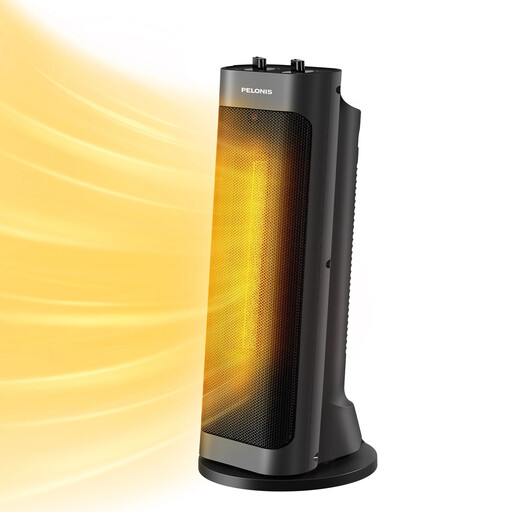
Why it suits this profile: This portable model has four heat settings, an adjustable thermostat, 70° oscillation and a handle. According to the product description, it’s designed for rooms up to around 10 m².
The specifications list a noise level of 50 dB, oscillation, and overheat and tip-over protection. This means you can check these important features, rather than relying on marketing terms alone.
Maximum power of 2000W, thermostat, 70° oscillation and portable design.
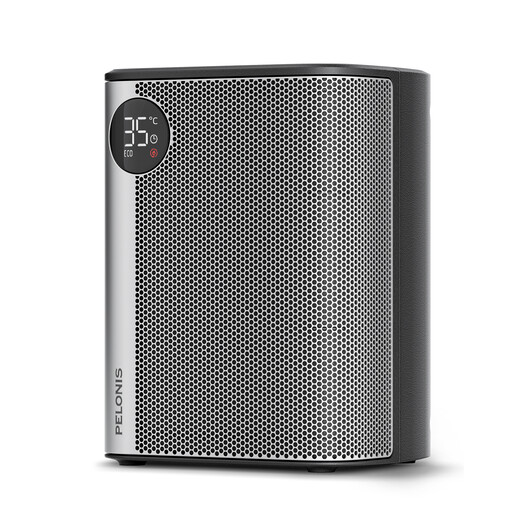
Why it suits this profile: With ECO mode, a 24-hour timer, thermostat and temperature display, this model gives you more control for everyday use in a home office, bedroom or living room.
The energy-saving claim comes from PELONIS’s product description. The ECO function is clearly explained, but actual energy consumption still depends on the room and how you use the heater.
ECO mode, 24-hour timer, five settings, and tip-over and overheat protection according to the product specifications.
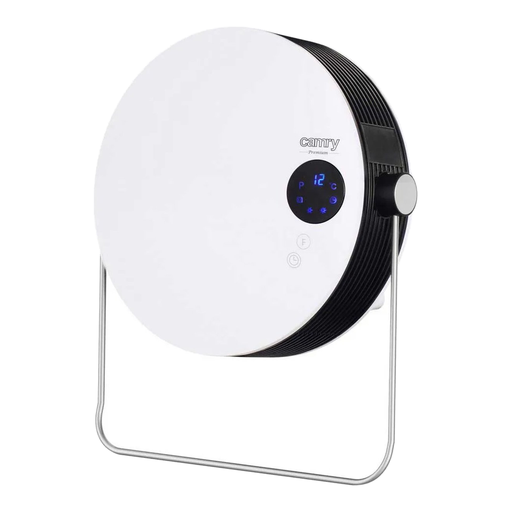
Why it suits this profile: According to the product information, this ceramic bathroom heater is designed for wall mounting. It has a built-in towel rail, LCD display, weekly timer and temperature settings from 10°C to 49°C.
The product description lists IPX2 and overheat protection. Even so, don’t use the heater right next to a shower or bath, and follow the installation and earthing instructions.
Two heat settings of 1400W and 2000W, a programmable weekly timer, and wall mounting with a towel rail.
We’ve put together a complete, up-to-date list of products that meet these strict selection criteria and the applicable European safety requirements.
At full power, a 2000W heater uses around 2 kWh per hour. Multiply this by your energy tariff to get an estimate of the cost. A thermostat, lower setting or timer can stop the heater from running continuously at full power.
Only if the product specifications and manual say it’s suitable. A bathroom heater with an IP rating may be suitable in certain conditions, but don’t place it next to a bath, shower or other water source. A standard portable heater designed for a living room isn’t automatically suitable for a damp room.
Its lifespan depends on how long you use it, dust, ventilation and maintenance. Keep the air vents clear, only clean the heater when it’s switched off and has cooled down, and don’t use it if the casing, plug or cable is damaged. If in doubt, consult the manual and check your statutory rights under the seller’s warranty.
