
Vandaag of morgen in huis

Kwaliteit gegarandeerd

Welkomstaanbiedingen ontgrendelen: GRATIS bezorging | Tot 80% korting | Gratis 30 dagen JoyPlus-proefperiode
Download de app
With rising gas prices, an electric heater is a smart way to provide targeted heating and turn down the central thermostat. It's ideal for a home office, bedroom, or that one chilly corner of the living room. But the market is flooded with models making all sorts of promises. Many people fall for marketing tricks and end up with a power-hungry, unsafe, or noisy device.
As a Joybuy Product Recommendation Officer, I'm here to help you make the right choice. We'll look past the advertising and focus on what really matters. Let's discuss the three most common pitfalls so you can avoid a regrettable purchase.
Pitfall 1: The Myth of the "Ultra-Efficient" Heater Many manufacturers advertise with the term "energy-efficient heater". Technically, almost every electric heater converts nearly 100% of its electricity into heat. The real difference isn't in the heater itself, but in how intelligently it uses that energy. A model without a thermostat will keep running at full power, even when the room is already warm. That's the real waste.
Pitfall 2: Inadequate Safety Features A supplemental electric heater is a powerful appliance. Yet, cheaper models often cut corners on crucial safety features. A heater without tip-over and overheat protection is an unnecessary risk in your home, especially with children or pets. These features are not a luxury, but an absolute necessity.
Pitfall 3: Ignoring the Noise Level A quiet heater is essential for spaces where you need peace, like a bedroom or your office. Many compact models use a fan heater that produces a constant, distracting noise. This often only becomes apparent once you turn the device on at home and find you can no longer concentrate.
To avoid these pitfalls, you need to pay attention to a few objective specifications. These will determine if a heater is right for your situation.
The power, expressed in Watts, determines how quickly and effectively a heater can warm up a room. Too little power for a large room means the heater will have to run continuously without ever making it truly comfortable.
The technology determines the speed, heat distribution, and noise level.
A heater with a thermostat is the key to comfort and efficiency. You set the desired temperature, and the heater turns itself off when it's reached and back on when it cools down. This prevents unnecessary power consumption. A timer adds convenience and safety: set the heater to automatically switch off when you go to sleep or leave the house.
Based on these objective criteria, we have selected a number of models that suit different user profiles.
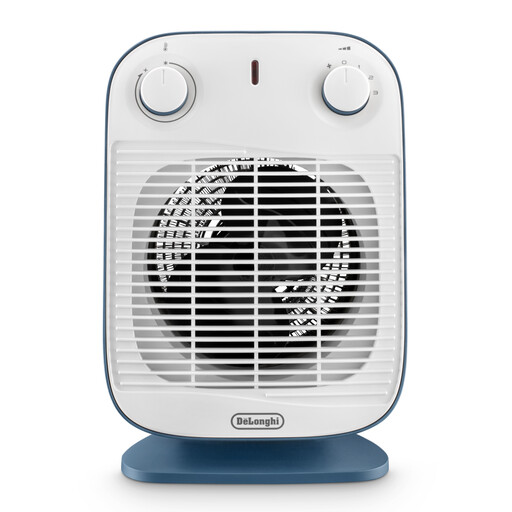
Why This Fits Their Persona: Ideal for those seeking a reliable, no-frills solution for quick heat in a smaller space, like a dorm room or workshop. No complex features, just turn it on and get warm.
This model doesn't pretend to be ultra-efficient. It's a classic fan heater that does what it promises: deliver heat quickly. The built-in thermostat and overheat protection cover the basic needs for efficiency and safety.
Compact size and powerful (2000W) for rapid heating. Features an adjustable thermostat and 3 heat settings.
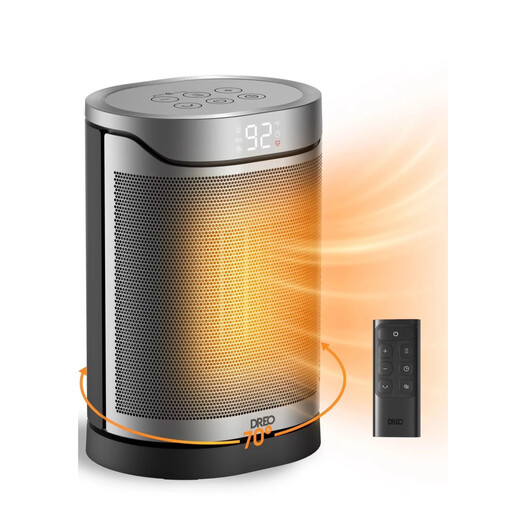
Why This Fits Their Persona: Perfect for anyone who wants an undisturbed and comfortable (work) environment. Its quiet operation, remote control, and precise thermostat make it an ideal partner for long days at the office or relaxing evenings.
This model directly addresses the noise pitfall with a specified low noise level (from 25 dB). The precise digital thermostat and timer ensure genuine energy savings by preventing unnecessary heating.
Very quiet heater with ceramic technology. Includes a remote control, 12-hour timer, and oscillation function for even heat distribution.
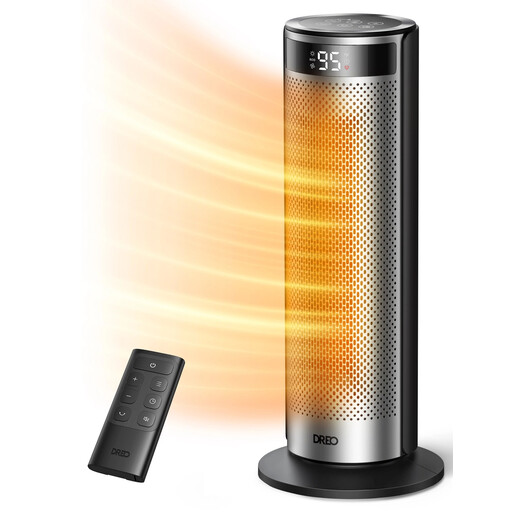
Why This Fits Their Persona: For families where safety is the top priority. This powerful model is suitable for larger rooms and offers peace of mind thanks to its extensive safety measures, including a child lock.
This model bypasses the safety pitfall by offering not only standard tip-over and overheat protection but also a flame-retardant housing, a cool-touch surface, and a child lock. Safety is clearly not an afterthought here.
Equipped with an 8-layer safety system, according to the manufacturer. Powerful 2000W output, suitable for rooms up to 25 m?, with a precise thermostat (5-35°C).
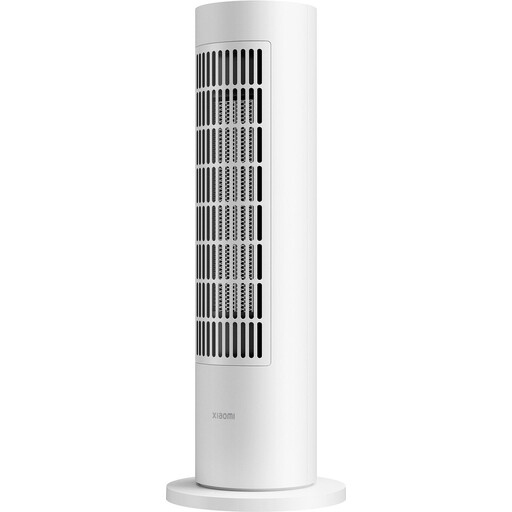
Why This Fits Their Persona: For those who want to combine functionality with a modern interior. The sleek, minimalist design and smart control via an app make this a heater that's meant to be seen and seamlessly integrates into a smart home.
The smart features, like remote control via the app, offer an advanced way to combat energy waste. You can turn the heater off when you're away from home or precisely regulate the temperature without getting up. Safety is also covered with tip-over and overheat protection.
Control via the Mi Home app for complete command. Sleek and modern tower design with a small footprint. PTC ceramic heating for rapid warmth.
We have compiled a complete, up-to-date list of products that fully meet these strict selection criteria and safety standards.
The cost depends on the heater's wattage and your electricity rate. A simple calculation: a 2000W heater consumes 2 kilowatts (kW) per hour. At an average electricity rate of €0.35 per kilowatt-hour (kWh), using this heater at full power costs 2 x €0.35 = €0.70 per hour. However, a model with a good thermostat will not run continuously at full power, which significantly reduces the cost.
Not necessarily in terms of pure power consumption, but in effectiveness. A ceramic heater (PTC) heats up faster and can retain and distribute heat more evenly. Combined with a precise thermostat, this can lead to lower overall energy consumption because the heater achieves its goal more efficiently and needs to run for less time.
Always check for three key features:
By choosing consciously and paying attention to these specifications, you'll find an electric heater that is not only effective but also efficient and safe. This way, you can stay comfortably warm without unnecessary costs or risks.
