
Vandaag of morgen in huis

Kwaliteit gegarandeerd

Welkomstaanbiedingen ontgrendelen: GRATIS bezorging | Tot 80% korting | Gratis 30 dagen JoyPlus-proefperiode
Download de app
A chilly home office, a bedroom that never seems to warm up, or simply the desire to create a cosy spot without turning on the entire central heating system. An electric heater is often the solution. But the market is flooded with models that promise the world. Before you make a choice, it's crucial to know what to look for to prevent a bad purchase.
As a Joybuy Product Recommendation Officer, I'll help you cut through the marketing claims. We'll look at the specifications that truly matter, so you can find a heater that fits your situation and budget.
Many heaters look perfect on paper but prove disappointing in practice. Watch out for these common pitfalls:
To make the right choice, focus on the following three points. These determine whether a heater is suitable for your purpose.
The power, expressed in watts, determines how much heat a heater can generate. Too little power for a large room means the heater will constantly run at full capacity without achieving the desired result.
A heater with a thermostat is a smart choice here. It automatically switches off when the desired temperature is reached and on again when it cools down, preventing unnecessary power consumption.
Each type has its own pros and cons, depending on the application.
Always check for the presence of the following features:
Based on the criteria above, we have selected a number of models that suit different user profiles.
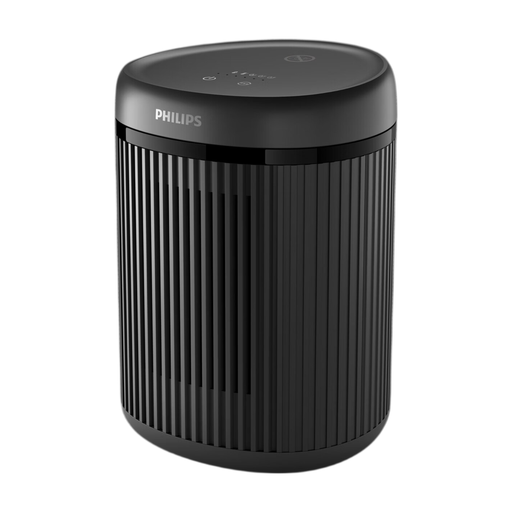
Why This Fits Their Persona: Perfect for a desk or a small home office. Its compact size takes up little space, and the low noise level ensures you can stay focused while working.
Tackles the noise pollution pitfall. According to Philips, this heater produces only 24 dB, making it a very quiet electric heater, ideal for a peaceful environment.
Fast heating thanks to the ceramic element and a very low noise level. Compact and easy to move.
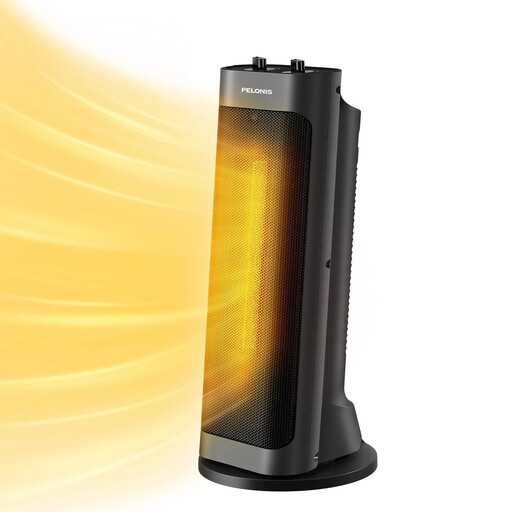
Why This Fits Their Persona: A great choice for the living room or play area. The extensive safety features provide peace of mind in a household with children or pets, while the oscillation function distributes heat evenly.
Directly addresses the safety pitfall. The manufacturer specifies triple protection: tip-over and overheat protection and a flame-retardant housing (ABS UL94 V0).
Comprehensive safety certifications (CE & RoHS) and a 70° oscillation function for wide and even heat distribution.
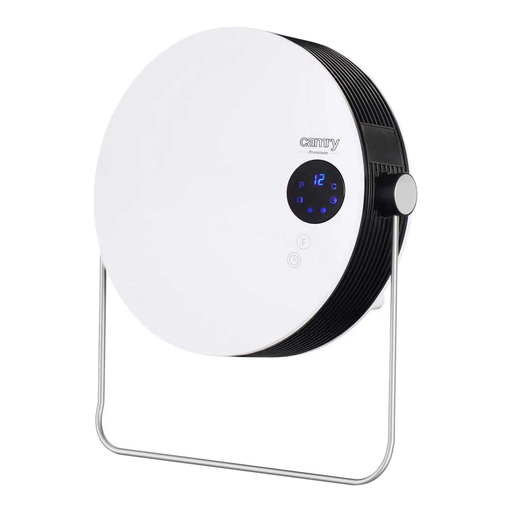
Why This Fits Their Persona: Specifically designed for the bathroom. This model can be wall-mounted and has a handy rack to pre-warm towels. The programmable timer is ideal for warming up the bathroom in the morning.
Avoids the pitfall of using the wrong type of heater for the space. With an IPX2 rating, this bathroom heater is suitable for use in damp environments, unlike standard heaters.
Wall-mountable with a towel rack, programmable weekly timer, and an open-window detection that switches the heater off to save energy.
We have compiled a complete, up-to-date list of products that fully meet these strict selection criteria and safety regulations.
The cost depends on the heater's power and your energy tariff. The calculation is simple: (power in kilowatts) x (price per kilowatt-hour). A 2000-watt (2 kW) heater running at full power for one hour consumes 2 kWh. With an electricity price of, for example, €0.35 per kWh, that costs €0.70 per hour. A model with a thermostat will cost less in practice, as it does not run continuously at full power.
Yes, provided you choose a suitable model and follow the safety instructions. Choose a quiet electric heater with both tip-over and overheat protection. Always place the heater on a stable, flat surface, far away from bedding, curtains, or other flammable materials. Never cover the heater.
For supplemental heating in a normally insulated home office of about 10 m?, a small heater with a power between 750 and 1000 watts is usually sufficient. If the room is poorly insulated or if it's your primary heat source, it's better to opt for a 1500-watt model.
