
Vandaag of morgen in huis

Kwaliteit gegarandeerd

Welkomstaanbiedingen ontgrendelen: GRATIS bezorging | Tot 80% korting | Gratis 30 dagen JoyPlus-proefperiode
Download de app
An electric heater can quickly provide extra warmth in a bedroom, living room, home office or workplace. However, it’s not wise to choose based solely on a low price or a promise of “heating in seconds”. The difference often comes down to power, controls, noise levels and safety features.
These three pitfalls are common:
Power is measured in watts. Compact models of around 600 watts are mainly designed for a desk, a small workspace or personal warmth. A portable electric heater rated at 1,500 to 2,000 watts is more practical for a bedroom, study or smaller living room.
Bear in mind that the stated room coverage can vary between manufacturers. According to its product description, the PELONIS 2000 W PTC Ceramic Fan Heater is suitable for rooms up to around 10 m², while other models claim to cover a larger area. Treat this information as a guide and take insulation, ceiling height and draughts into account.
A lower-power model may be enough for occasional use. If you want to warm up a cold room quickly, look for a heater with several heat settings. That way, it won’t need to run constantly on its highest setting.
A ceramic heater or PTC heater uses a ceramic element. PTC stands for Positive Temperature Coefficient. Product descriptions often associate this technology with fast, consistent heat. According to information provided by the brands, several models have PTC heating, but how well they perform in practice also depends on airflow, the room and the selected setting.
A ceramic fan heater distributes heat using a fan. This works quickly, but can be noisy. That makes the stated noise level worth checking if you’re buying one for a bedroom or office. For example, the PELONIS 2000 W lists a noise level of around 50 dB. The OmniHeat lists several settings starting at 38 dB. These figures come from the product information, so check which mode they apply to when you buy.
At a minimum, look for:
Don’t use an electric heater on carpet, bedding or a soft surface. Product warnings recommend keeping it around 1 metre away from curtains, furniture and other flammable materials. Never cover the air inlet or outlet, and don’t use the appliance near a bath, shower or wet floor. An extension lead or power strip may be put under extra strain by high-powered models, so follow the manual and safety instructions.
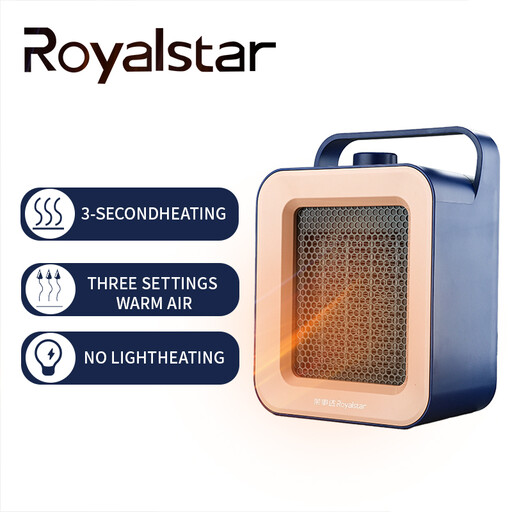
Why it suits this type of buyer: With 1,500 watts and settings for fan-only, low and high heat, this is a straightforward choice for a smaller room, home office or temporary extra warmth.
The product specifications state the wattage and three settings, so you don’t have to rely solely on a marketing claim about fast heating.
1,500 watts, three operating settings and, according to the product information, several safety features.
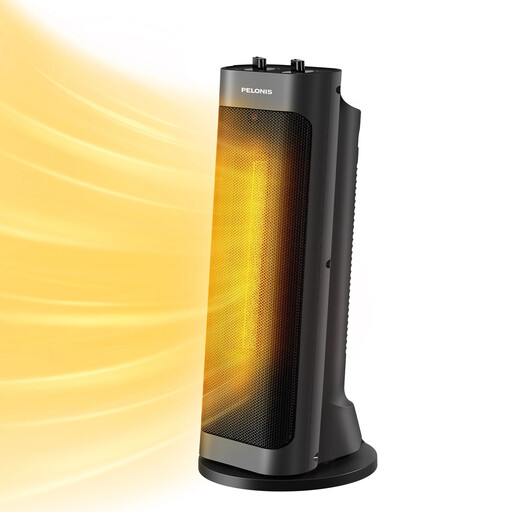
Why it suits this type of buyer: This model combines PTC ceramic heating, four settings, 70° oscillation and a portable design for anyone looking for more control options.
The specifications cover more than just fast heating: they also state the wattage, oscillation, noise level and safety features.
2,000 watts, PTC heating, 70° oscillation, tip-over protection and overheat protection, according to the product information.

Why it suits this type of buyer: The remote control, adjustable thermostat, 24-hour timer and ECO mode are handy for a bedroom, office or extended use in one room.
The timer and thermostat let you set the operating time and temperature in advance, rather than constantly heating at full power.
1,800 watts, four settings, ECO mode, a thermostat range of 5–35 °C, a timer and remote control, according to the product information.
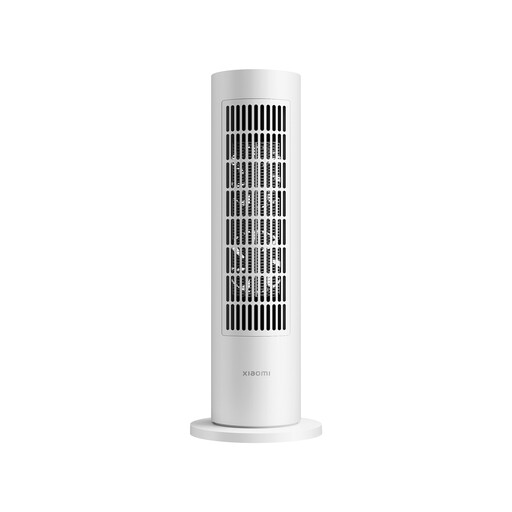
Why it suits this type of buyer: This tower model is designed for people who want to control an electric heater via an app or voice commands and appreciate a slim, portable design.
The product information specifies that an app is required for full functionality, as well as listing tip-over and overheat protection.
2,000 watts, PTC ceramic heating, 70° oscillation, a timer, app control and automatic shut-off, according to the product information.
The cost depends on the wattage, the selected setting and your electricity tariff. A 2,000-watt model running at full power for one hour uses 2 kWh in theory. A 1,000-watt setting uses around 1 kWh over the same period. A thermostat or ECO mode can reduce average consumption when the heater doesn’t need to provide heat continuously, but the results will vary from room to room.
So an energy-efficient heater won’t necessarily use little electricity at maximum power. If you want to better match consumption to how you use it, look for adjustable settings, a timer and a thermostat.
We’ve put together a complete, up-to-date list of products that fully meet these strict selection criteria and the applicable European safety regulations.
It can be, provided the model is designed for indoor use and is positioned correctly. Ideally, choose a heater with a timer, thermostat, tip-over protection and overheat protection. Keep it away from bedding and curtains, and don’t leave it running unattended.
Its lifespan depends on how often it’s used, how it’s stored, dust and maintenance. Let the heater cool down before cleaning or storing it. Don’t use a damaged appliance, and regularly check the cable, casing and air vents.
Not necessarily. Noise levels depend on the fan motor, airflow and selected setting. Check the stated decibel level and see whether a quiet mode is available if you plan to use the heater in an office or bedroom.
