
Vandaag of morgen in huis

Kwaliteit gegarandeerd

Welkomstaanbiedingen ontgrendelen: GRATIS bezorging | Tot 80% korting | Gratis 30 dagen JoyPlus-proefperiode
Download de app
Turning down the thermostat is a great way to save on your gas bill, but a cold workspace or living room is no fun either. An electric heater can provide the perfect solution for targeted, supplemental heating. However, the market is flooded with models that promise the world. Before you make a purchase, it's crucial to understand the common pitfalls that lead to buyer's remorse.
Many manufacturers advertise with the term "energy-efficient heater," but in practice, nearly every electric heater is equally efficient at converting electricity into heat. The real difference lies in the smart features that prevent unnecessary consumption. Another pitfall is power. A 2000-watt heater is often promoted as suitable for large rooms, but without proper insulation, this is rarely realistic. Finally, essential safety features like tip-over and overheat protection are sometimes omitted from the cheapest models, posing a direct risk.
To avoid a bad purchase, it's critical to look beyond the marketing buzzwords. Pay attention to the following objective specifications to find the right supplemental electric heater for your situation.
The power, expressed in watts (W), determines how much heat a heater can generate. A common mistake is buying a heater with too much or too little power for the space. As a rule of thumb, you can count on 75 to 100 watts per square meter (m?) for a reasonably insulated room.
Not every heater warms in the same way. The type determines how the heat is experienced and distributed.
A truly energy-efficient heater is one that only runs when necessary. Two features are indispensable for this:
Based on objective specifications and functionality, we have selected a number of popular choices that fit different user profiles.
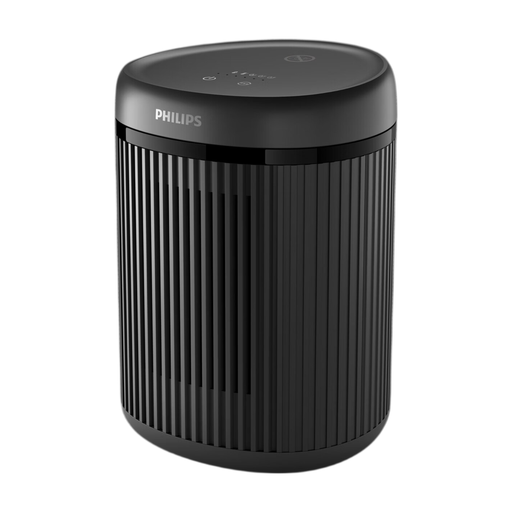
Why This Fits Their Persona: Ideal for anyone seeking a compact, quiet, and reliable heater for a desk, dorm room, or small bedroom. Its minimalist design fits any decor, and the low noise level won't disturb studying or sleeping.
This model is realistic about its capacity (up to 15 m?) and includes essential safety features (tip-over and overheat protection), unlike cheaper, unsafe alternatives.
Very quiet operation: According to the manufacturer, the heater produces only 24 dB(A) on its lowest setting. Fast heat-up: The ceramic technology provides warmth within seconds.
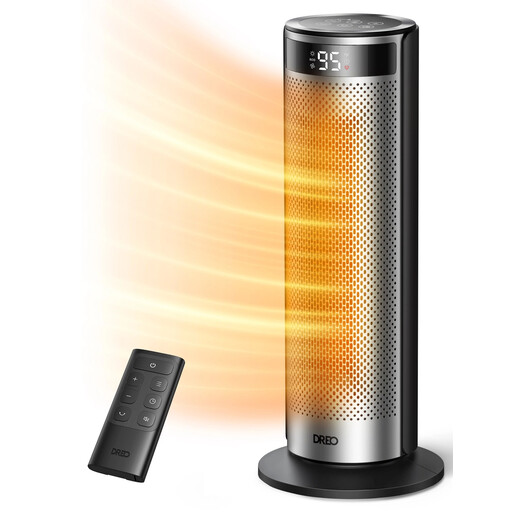
Why This Fits Their Persona: For those looking for a powerful, quiet, and safe heater for the living room or bedroom. The remote control, timer, and precise temperature control offer maximum comfort and ease of use for the whole family.
Instead of vague claims about being "energy-efficient," this model offers a concrete ECO mode and a precise thermostat (5-35°C) that genuinely help manage consumption. Its 8-layer safety protection goes beyond the basics.
Comprehensive safety: Equipped with tip-over and overheat protection, flame-retardant material, and a child lock, among other features. Quiet operation: The noise level of 34 dB is relatively low for its power.
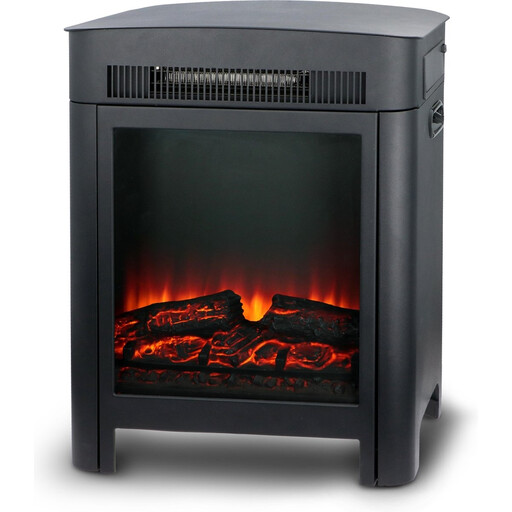
Why This Fits Their Persona: For those who want to combine warmth with coziness. This **electric fireplace** not only provides supplemental heat but also creates the atmosphere of a real fireplace thanks to its realistic flame effect, without the hassle of wood or smoke.
This product is honest about its dual function: ambience and supplemental heating. It doesn't pretend to be an energy-saving primary heat source, but a functional decorative object. It includes a thermostat and overheat protection.
Ambience and heat in one: The LED flame effect can also be used without the heating function. Adjustable heat: Features 2 heat settings and an adjustable thermostat.
Sometimes, quiet operation is the most important requirement. We have compiled a complete, up-to-date list of products that meet strict selection criteria and safety regulations.
The cost depends on the heater's power and the current electricity price. The calculation is simple: (power in kilowatts) x (price per kilowatt-hour). A 2000W heater (which is 2 kW) running at full power for one hour consumes 2 kWh. With an electricity price of, for example, €0.30 per kWh, this would cost €0.60 per hour. However, a model with a good thermostat will not run continuously at full power, which significantly reduces costs.
It is generally not recommended to leave an electric heater running unattended overnight. If you do consider it, you must choose a model with reliable safety features:
Also, ensure the heater has clear space around it and is not near bedding, curtains, or other flammable materials.
As mentioned earlier, the technical efficiency of most electric heaters is virtually 100%. The difference on your energy bill is made by how smartly the heater uses that energy. A heater with a precise thermostat and an ECO mode is more economical in practice than a simple on/off heater because it adjusts its power and shuts off when the desired temperature is reached. For personal warmth in bed, an electric blanket is a very energy-efficient alternative, consuming only 60-100 watts.
