
Vandaag of morgen in huis

Kwaliteit gegarandeerd

Welkomstaanbiedingen ontgrendelen: GRATIS bezorging | Tot 80% korting | Gratis 30 dagen JoyPlus-proefperiode
Download de app
A chilly home office, a crisp bedroom, or a bathroom you'd rather not linger in. An electric heater is often the quick and flexible solution. But the market is flooded with models that promise the world. Many of these promises lead to a bad purchase: a heater that's too noisy, needlessly drives up your energy bill, or simply doesn't do what it's supposed to.
Before you make a choice, it's important to recognise two common pitfalls:
energy-efficient electric heater is therefore often just marketing. The real difference lies in efficiency: how smartly the heater distributes and retains heat. A model with a good thermostat and timer is far more economical in practice than a simple on/off model.fan heater can warm up a room quickly, but the constant whirring can be distracting in an office or bedroom. A silent heater isn't a given; pay close attention to the specifications or the type of heating element.To make the right choice, it's helpful to understand three key points. This will help you translate specifications into practical benefits for your situation.
Not all supplemental electric heating works the same way. The type determines how the heat is experienced.
small electric heater for under a desk. The downside can be the noise from the fan.The power, expressed in Watts, determines how powerful the heater is. A simple rule of thumb for a reasonably insulated room is 75-100 Watts per square meter (m?). A 2000W heater is therefore suitable for a room up to about 20-25 m?.
More important than raw power is the control system. An electric heater with a thermostat is a must. It automatically switches off when the desired temperature is reached and back on when it cools down. This prevents unnecessary power consumption and ensures constant comfort.
Safety is non-negotiable. Look for two features:
For use in damp areas, the IP rating is crucial. An electric bathroom heater must have at least an IP21 rating (drip-proof). For areas closer to a shower or bath, a higher rating like IP24 (splash-proof) is recommended.
Based on objective specifications, we have selected a number of models that suit different user profiles.
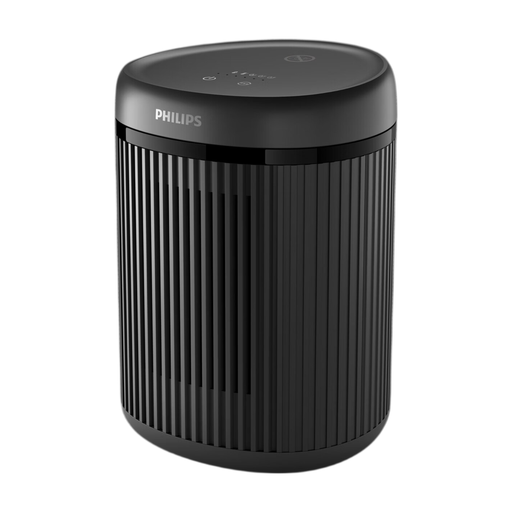
Why This Fits Their Persona: Ideal for those who need quick heat in a compact space like a study or under a desk. Its footprint is small, but the heat output is immediate.
This model tackles the noise pitfall. According to the manufacturer, the DC motor ensures a noise level starting from 24 dB(A), which is exceptionally quiet for a fan heater.
Rapid heating (within 2 seconds, according to Philips) and a very compact and portable design. Equipped with the necessary safety features.
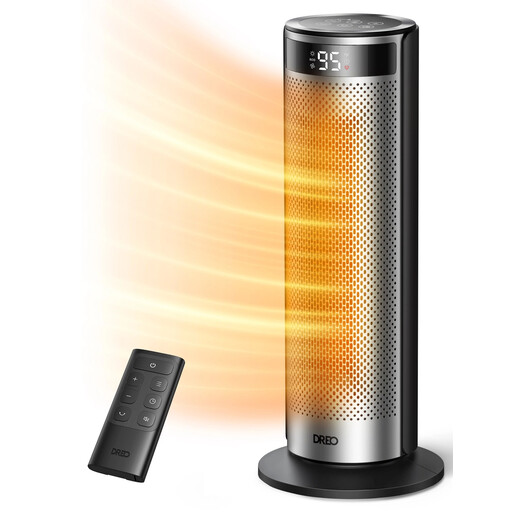
Why This Fits Their Persona: For those who want to comfortably heat a larger space like the living room. This tower model combines high power with user-friendly features like a remote control and timer.
The combination of 2000W power, a 70° oscillation function, and a precise thermostat ensures efficient heat distribution, making the "energy-efficient" claim a practical reality.
Quiet operation (from 34 dB), extensive safety features, and an adjustable thermostat (5-35°C) with a remote control for optimal comfort.
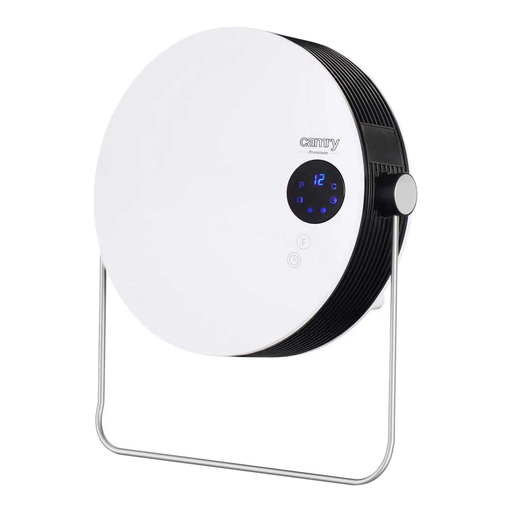
Why This Fits Their Persona: Specifically designed for the bathroom. This model is intended for wall mounting and includes a towel rack, making it dually functional: it heats the room and dries towels.
This is not a standard heater placed unsafely in a bathroom. It has an IPX2 rating, meaning it is protected against dripping water and thus suitable for this environment.
Built-in towel rack, programmable weekly timer, and an open-window detection feature that switches the heater off to prevent energy waste.
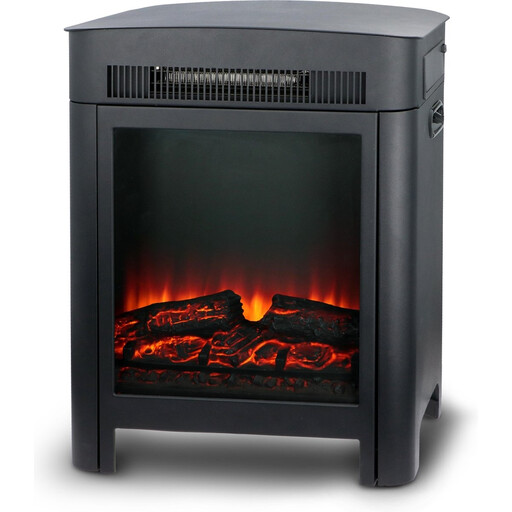
Why This Fits Their Persona: For those seeking coziness in addition to warmth. This portable `electric fireplace` combines supplemental heating with a realistic flame effect for a snug atmosphere.
This model is more than a functional appliance; it's an ambiance creator. It avoids the pitfall of a purely practical but unattractive design that doesn't fit in a living room.
The flame effect, powered by LED lamps, can be used independently of the heating function. The heater has two heat settings and an adjustable thermostat.
We have compiled a complete, up-to-date list of products that fully meet these strict selection criteria and safety regulations.
The cost depends on the power (in kilowatts, kW) and the electricity price per kilowatt-hour (kWh). The calculation is simple: (Power in Watts / 1000) x Number of hours used x Price per kWh = Cost A 2000W (2 kW) heater that is on for one hour consumes 2 kWh. With an electricity price of $0.30 per kWh, that would cost $0.60 per hour. A model with a thermostat will not run continuously at full power, which lowers the cost in practice.
Not fundamentally. A ceramic heater consumes the same amount of electricity for the same amount of heat as other electric heaters. The advantage lies in its operation: the ceramic element retains heat longer. This allows the heater to continue emitting residual heat for a while after the thermostat has switched it off. This can lead to a more stable temperature and a more efficient feel, as the heater needs to cycle on less frequently.
Yes, provided you choose a modern model with the right safety features. An electric heater with a thermostat, overheat protection, and tip-over protection is essential for this. A timer function is extra handy for automatically switching the heater off after a few hours. Always ensure the heater has clear space around it, is not covered, and is placed on a stable, flat surface. Always follow the manufacturer's safety instructions.
