
Vandaag of morgen in huis

Kwaliteit gegarandeerd

Welkomstaanbiedingen ontgrendelen: GRATIS bezorging | Tot 80% korting | Gratis 30 dagen JoyPlus-proefperiode
Download de app
With rising gas prices, more and more people are looking for a smart way to keep their homes comfortable. An electric heater is a logical choice for supplemental heating on a chilly work-from-home day or in a cold bedroom. But the market is flooded with models that promise the world. In practice, many devices turn out to be power guzzlers or are even unsafe.
As a Joybuy Product Recommendation Officer, I'll help you cut through the marketing jargon. We'll look at the specifications that truly matter, so you can choose a model that fits your situation without causing nasty surprises on your energy bill.
Before you make a purchase, it's important to recognise the following common pitfalls. They may seem minor, but they determine whether you'll be satisfied with your purchase or live to regret it.
To avoid a bad buy, focus on the following three points. These determine the effectiveness, safety, and cost of your electric heater.
First, determine your goal. Do you want to warm yourself or an entire room?
The required wattage depends on the size and insulation of the room. A rule of thumb for supplemental heating is about 75-100 Watts per square meter. A 10 m? office, therefore, often has enough with a 1000W heater.
A heater with a thermostat is essential. This feature ensures the heater turns off when the desired temperature is reached and turns back on when it cools down. This prevents unnecessary power consumption and ensures constant comfort.
Always check for the presence of the following three features:
Below are some popular choices, matched with specific user profiles. These products have been selected based on their specifications and how they address the pitfalls mentioned earlier.
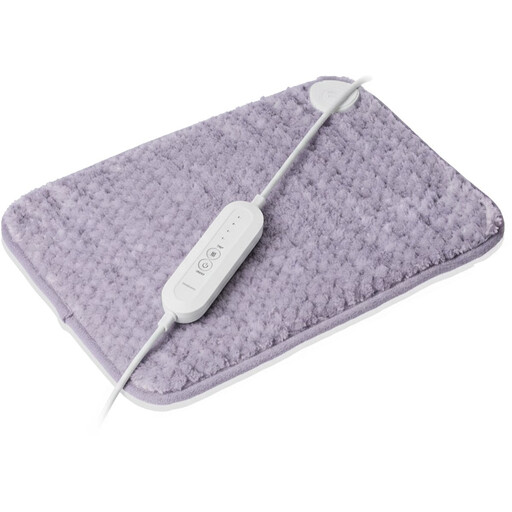
Why This Fits Their Persona: Ideal for those seeking local warmth without heating an entire room. Perfect for the sofa, an office chair for back pain, or for extra comfort on cold evenings.
This heating pad avoids the high-wattage trap. Instead of using a power-guzzling heater for personal comfort, it offers a highly energy-efficient solution.
Very low power consumption and automatic shut-off after 90 minutes for safe use. The soft material is washable.
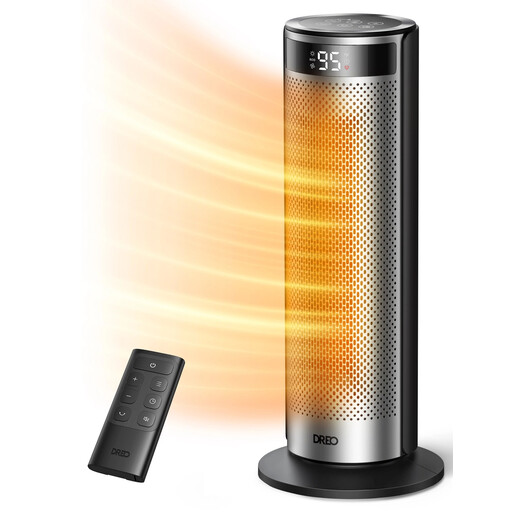
Why This Fits Their Persona: Suitable for those who want to effectively supplement the heating in a medium to large room (15-25 m?), such as a living room or hobby room. Its quiet operation also makes it suitable for the office.
This model tackles the "energy-efficient" label trap with concrete features. According to the manufacturer, its smart power management saves up to 40% energy, and the precise thermostat (5-35°C) prevents unnecessary consumption.
Quiet operation (25-42 dB) thanks to the DC motor and a comprehensive 8-layer safety system, including tip-over and overheat protection.
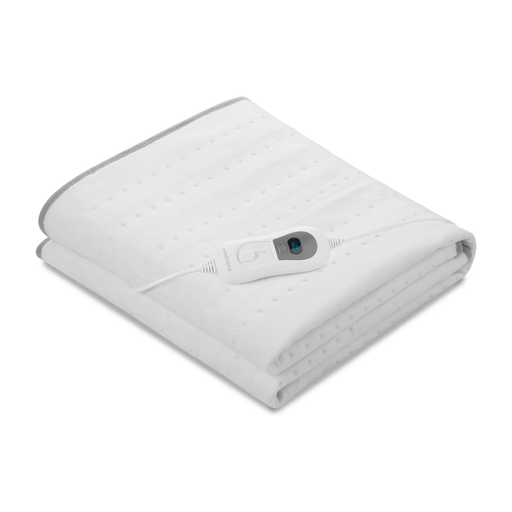
Why This Fits Their Persona: Specifically designed for those who feel cold at night. This underblanket pre-warms your bed and maintains a constant, pleasant temperature while you sleep.
This product tackles the safety trap head-on. It is specifically designed for use in bed, with a safety system featuring overheat protection and an automatic shut-off after 180 minutes.
Very low energy consumption (60W), washable thanks to the detachable controller, and certified with the Oeko-Tex Standard 100.
We have compiled a complete, up-to-date list of products that fully meet these strict selection criteria and safety regulations.
Consumption depends directly on the power (wattage) and how long you use the device. A 1500 Watt (1.5 kW) heater that is on for one hour consumes 1.5 kilowatt-hours (kWh). Multiply this by the electricity rate from your energy provider to calculate the cost. A model with a good thermostat will not run continuously at full power, which significantly reduces costs.
This strongly depends on the type. A portable heater like a fan heater should generally not be left running unattended overnight. An electric blanket or underblanket, on the other hand, is often designed for nighttime use, provided it has an automatic shut-off function and overheat protection. Always check the manual and the available safety certifications.
A traditional fan heater often uses a metal heating element (heating coil) that gets very hot. A ceramic heater uses a PTC (Positive Temperature Coefficient) element. This element is self-regulating: it becomes less hot as the temperature rises, making it safer and more energy-efficient. Ceramic heaters typically provide a more constant and pleasant warmth.
