
Vandaag of morgen in huis

Kwaliteit gegarandeerd

Welkomstaanbiedingen ontgrendelen: GRATIS bezorging | Tot 80% korting | Gratis 30 dagen JoyPlus-proefperiode
Download de app
An electric heater may seem straightforward: plug it in and turn on the heat. Yet many people buy a model that is not suitable for their space or intended use. A compact heater, for example, can be ideal as personal heating but may not have enough power for a living room. A patio heater can provide warmth outdoors, but only within the limits of its stated protection rating and installation instructions.
This guide will help you compare different types of electric heating, from ceramic heaters and infrared heaters to bathroom heaters, electric fireplaces and heated mats.
Higher power does not automatically mean that a heater will perform better in every situation. Energy consumption is higher when the appliance runs at full power, however. A 2,000 W model theoretically uses 2 kWh per hour on its highest setting. At an electricity rate of €0,30 per kWh, that works out at around €0,60 per hour. The actual cost depends on the selected setting and the thermostat.
So also consider:
Not every portable heater is suitable for damp environments. An IP44 rating means that an appliance is protected against solid objects and splashing water under certain conditions. It does not make the appliance suitable for rain, immersion or an exposed location.
A bathroom heater requires a suitable IP rating and correct installation. Do not place a standard model close to a shower or bath. Always check the manual, minimum distances and connection requirements.
A fire basket with spark guard uses wood or charcoal and is therefore not an electric heater. It presents different risks, including sparks, smoke, heat around the appliance and local rules on burning fuel. A fire basket may be suitable for spending time in the garden, but not as a targeted, clean source of heat for an enclosed space.
Compare the stated wattage with the size of the room. According to Alpina’s product information, an 800W infrared heater is intended to heat an area of several square metres. The description states that a 1,800 W electric fireplace is suitable for a room of up to 20 m². These surface areas are guidelines; insulation, ceiling height, draughts and outdoor temperature all affect the result.
For short periods of additional heat, lower power may be sufficient. In a larger room, a thermostat, multiple settings and even heat distribution are more important than maximum wattage alone.
A fan heater warms the air and circulates it with a fan. This can work quickly, but the noise level is not always specified. A ceramic heater uses a PTC ceramic element. The Alpina PTC Digital is listed with settings from 800 W to 2,000 W, oscillation, a timer of up to 12 hours, and protection against tipping over and overheating.
An infrared heater directs heat more towards people and nearby surfaces. This is practical on a patio or in a work area where you do not need to heat the entire space. According to Alpina’s product description, the model distributes heat all around and has IP44 protection. When using it outdoors, still make sure that the chosen location is dry and stable.
At a minimum, look for:
Never use a heater as a clothes-drying rack and never cover an appliance while it is hot. With a 2,000 W appliance, multi-socket adaptors or extension leads may be unsuitable; follow the manual and connection instructions.
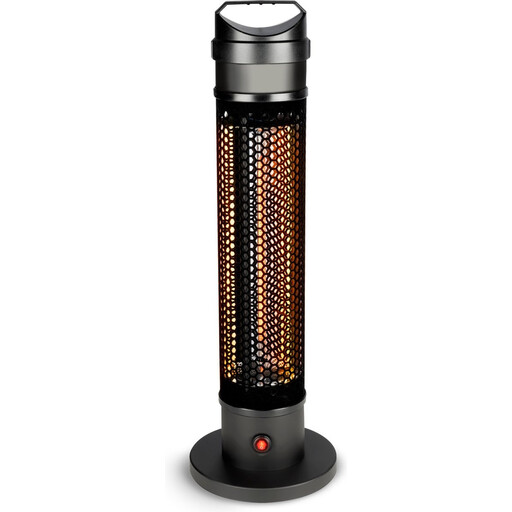
Why it suits this profile: This compact model is designed for a small seating area, home office or sheltered patio where targeted warmth is needed.
The stated power of 800 W and specified IP44 rating make the usage limits clearer than a vague claim about a large heating range.
Infrared heating, integrated handle, tip-over protection and a diameter of 20 cm with a height of 61,5 cm.
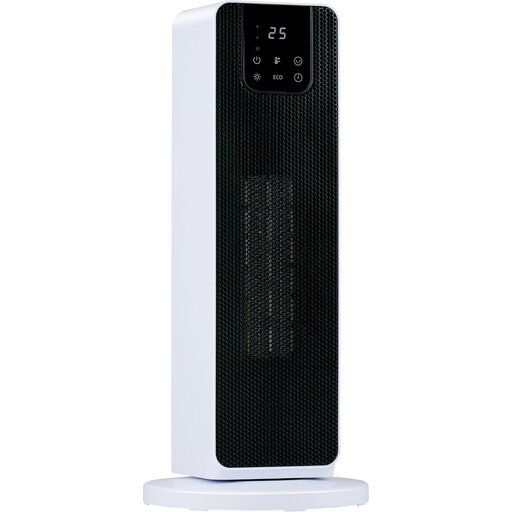
Why it suits this profile: For everyday use at home, adjustable settings, a remote control and a timer are practical features.
The two power levels mean you do not always have to heat at the maximum setting. Tip-over and overheating protection are explicitly stated.
PTC ceramic element, power from 800 to 2,000 W, oscillation function and a timer of up to 12 hours.

Why it suits this profile: This wall-mounted model is designed for bathroom use and offers programming options for set routines.
The stated IPX2 rating makes it clear that installation and distance from water remain important. Use the appliance only as instructed.
Two settings of 1.400 and 2.000 W, thermostat from 10 to 49 °C, weekly timer and towel rail.
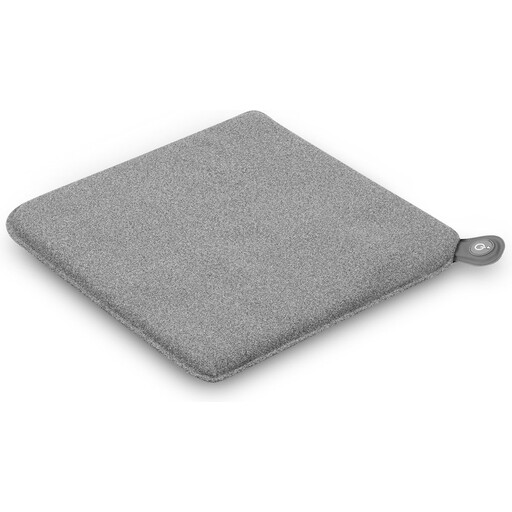
Why it suits this profile: This cordless outdoor heated mat is easy to take to sporting events, on trips or to an outdoor seating area.
The mat is not a room heater: its 40 x 40 cm size clearly shows that it is intended as a targeted heated mat. The power bank is not included.
Three temperature settings, USB-A connection, removable washable felt cover and automatic shut-off after 20 minutes.
We have put together a complete, up-to-date list of products that fully meet these strict selection criteria and the applicable European safety regulations.
Place a freestanding heater on a flat, stable surface. Keep curtains, furniture, clothing and paper away from it. Check the cable, plug and casing before use. A bathroom heater must be correctly mounted on the wall and must not be used outside the specified zone.
The power bank for an outdoor heated mat should be kept dry. According to the product information, the Medisana OL 600 switches off automatically after 20 minutes, but do not leave the appliance running unattended. Clean the cover only according to the stated care instructions and disconnect the power before cleaning.
This depends on the power rating and your electricity tariff. The calculation is: power in kW × usage time in hours × price per kWh. A 2,000 W heater uses 2 kWh per hour at full power. A thermostat, timer and lower heat setting can reduce actual consumption.
Only if the model has been designed for this purpose and its IP rating and installation instructions allow it. The Camry CR 7747 is described in the product information as suitable for bathroom use and has IPX2. Always maintain the specified distance from water and never place a standard room heater near a bath or shower.
Lifespan varies depending on the model, frequency of use, maintenance and the quality of the electrical connection. Keep ventilation openings free from dust, never cover the appliance and stop using it immediately if you notice a damaged cable, unusual smell or abnormal noise. According to the product information, the models listed are covered by a minimum of two years’ statutory guarantee under European consumer legislation; additional statutory rights may apply depending on the country.
