
Vandaag of morgen in huis

Kwaliteit gegarandeerd
Download de app
Categorieën

Choosing an electric heater seems simple—until you bring one home that's too noisy, drives up your energy bill, or fails to heat your space effectively. The search for efficient supplemental electric heating can be overwhelming. Is a ceramic heater better? How many watts do I need for my bedroom? And what about safety?
This guide will help you make an informed decision. We focus on the facts—product specifications, functionality, and safety features—so you can find a model that fits your specific needs.
Before we look at specific models, it's helpful to understand the key selection criteria. These factors determine how effective, economical, and safe a heater is in practice.
Most modern electric heaters are fan heaters that circulate warmth. The difference lies in the heating element.
The power, measured in watts (W), determines the heat output. A higher wattage means more heat, but also higher energy consumption. A good rule of thumb:
An energy-efficient electric heater saves you money in the long run. Look for the following features:
No one wants a distracting hum in the background. A quiet heater is essential for use in bedrooms or offices. The noise level is measured in decibels (dB).
Safety is non-negotiable. Modern heaters must be equipped with the following, in line with EU standards:
Based on the criteria above, we have selected models that excel in functionality, safety, and ease of use.
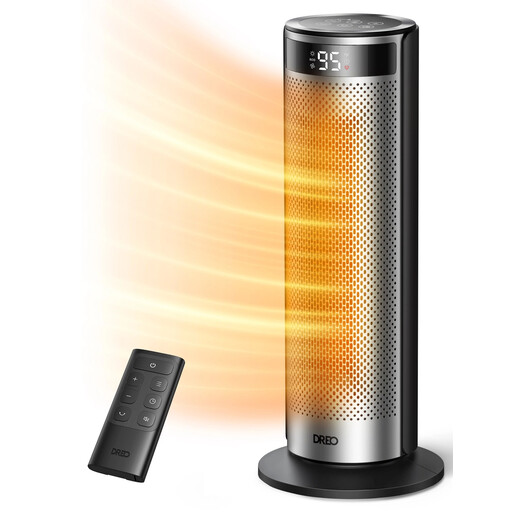
Why we picked it: The DREO Solaris 628 is designed for fast, even heating of medium to large spaces. With 2000W of power and a large PTC element, this model delivers a powerful stream of heat. According to the manufacturer, its Hyperamic technology provides heat within 2 seconds.
Pros:
Who is it for? For users who want to quickly bring a living room, large office, or hobby space to a comfortable temperature without compromising on safety or noise levels.
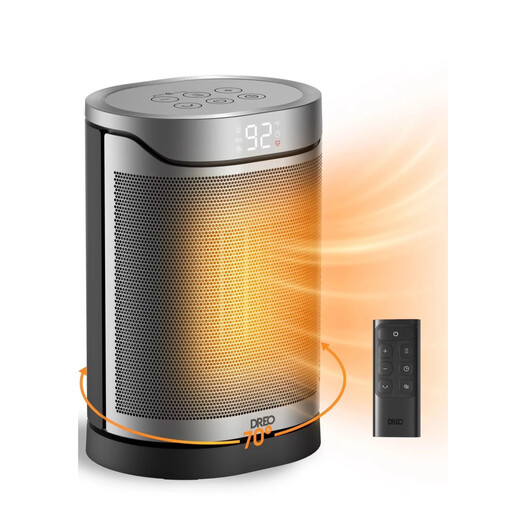
Why we picked it: The DREO Atom 318 is a more compact and energy-efficient option, ideal for smaller spaces. The model offers adjustable power levels (900W, 1300W, 1500W), allowing you to better manage energy consumption.
Pros:
Who is it for? Ideal for those seeking targeted warmth in a bedroom, home office, or study. The focus here is on efficiency and low noise in a compact design.
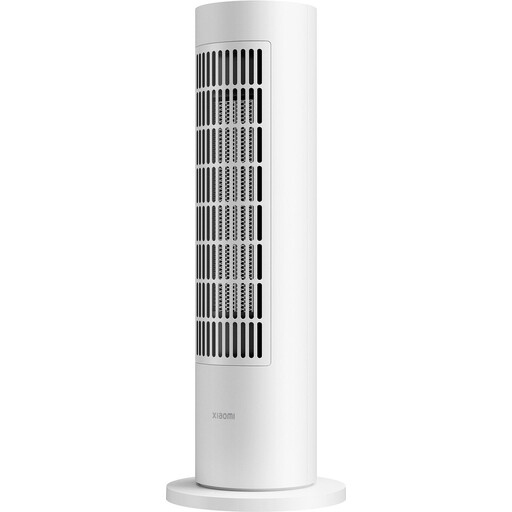
Why we picked it: The Xiaomi Mi Smart Tower Heater Lite combines a powerful 2000W PTC ceramic element with smart functionality. Its key differentiator is the control via the Mi Home app, which lets you adjust the heater remotely.
Pros:
Who is it for? For the tech enthusiast who loves to integrate devices into a smart home ecosystem. If you value the convenience of app control, this is a compelling choice.
While an electric heater is ideal for targeted heating of a single room, you can also consider optimising your central heating system. A wireless thermostat gives you precise control over the temperature throughout your home, often adjustable on a room-by-room basis. This can be an effective way to reduce overall energy consumption without sacrificing comfort.
1. How much electricity does an electric heater use? Consumption depends directly on its power (wattage). A 2000W heater uses 2 kilowatt-hours (kWh) per hour at full power. In practice, a model with a good thermostat and lower power settings will consume less because it doesn't run at maximum output constantly.
2. Is an electric heater safe to use in the bedroom at night? Yes, provided you choose a modern model with the proper safety certifications. Features like tip-over protection and overheat protection are crucial. Always ensure the heater has clear space around it and is not covered. A quiet heater with a low noise level (<35 dB) is recommended for undisturbed sleep.
3. What is the advantage of a ceramic (PTC) heater? A ceramic heater uses PTC elements that are self-regulating: their resistance increases as the temperature rises, making them naturally less prone to overheating. This generally makes them safer and more durable than heaters with traditional metal coils. They also produce a more comfortable, less 'dry' heat.