
Vandaag of morgen in huis

Kwaliteit gegarandeerd

Welkomstaanbiedingen ontgrendelen: GRATIS bezorging | Tot 80% korting | Gratis 30 dagen JoyPlus-proefperiode
Download de app
An electric heater may seem simple to choose: pick the wattage, order a product and plug it in. In practice, models vary considerably in how they distribute heat, how much noise they make, how they’re controlled and what safety features they offer. A bedroom calls for different features from a living room, home office or bathroom.
Look out for these three common pitfalls:
The heating technology determines how the heat spreads around the room.
A ceramic heater usually uses a PTC heating element and a fan to circulate warm air. This type of heater is compact and suitable as supplementary electric heating when you need warmth quickly. It could be useful in a home office, bedroom or chilly corner of the living room.
The fan does make some noise. If you need a quiet working environment or a heater for the bedroom, check the stated noise level, night setting or quiet mode. Claims such as “whisper-quiet” come from the brand, so look for a specific dB rating where one is available.
A convector heater warms the air as it flows upwards through the appliance. It generally runs quietly, without fan noise. According to its product description, a model such as the Mill SG2000LED has three settings, an electronically adjustable thermostat and a power output of 2000W. Its stated room capacity is up to 20 m².
A convector heater is a practical choice if you want steady supplementary heating for longer periods, for example in a living room or home office. Make sure there’s enough clear space around the appliance.
A portable heater is handy for renters and households that want to use one appliance in several rooms. Check its weight, handle, cable length and stability. Only move the appliance once it has cooled completely and been unplugged.
A 2000W heater uses around 2 kWh per hour at full power. A lower setting, such as 600W, 1200W or 1500W, uses less per hour but also produces less heat. Calculate the actual cost using:
power in kW × hours of use × your electricity tariff
A thermostat, timer or eco mode can reduce the time the heater is actively heating. That doesn’t automatically make a model energy-efficient: the result depends on the settings, room temperature and insulation.
A heater with a thermostat switches the heating element on or off to maintain the set temperature. A mechanical thermostat is straightforward to use, while a digital thermostat often has a more precise display.
A heater with a timer is useful when you want to set a time for it to switch off. Some models offer a 12-hour or 24-hour setting. A heater with a remote control is convenient when you’re sitting on the sofa or lying in bed. Check that the timer really does switch the heater off automatically, and that you can still operate it using the controls on the appliance itself.
At a minimum, look for:
Only use a bathroom heater if the product specifications and installation instructions allow it. An IP rating doesn’t mean the appliance can be submerged or touched when wet. Don’t place a standard electric heater in a damp room.
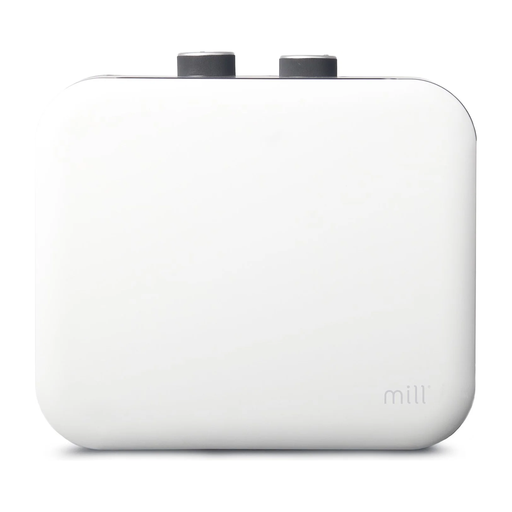
Why it suits this profile: According to the product information, this compact model has two settings, 1200W and 1800W, and is easy to move. That makes it suitable as a portable heater for a workspace or smaller living area.
The two power settings mean you don’t always have to heat at full power. The stated specifications are clear and easy to check.
PTC element, mechanical thermostat, 1.4-metre cable, tip-over protection and overheat protection.
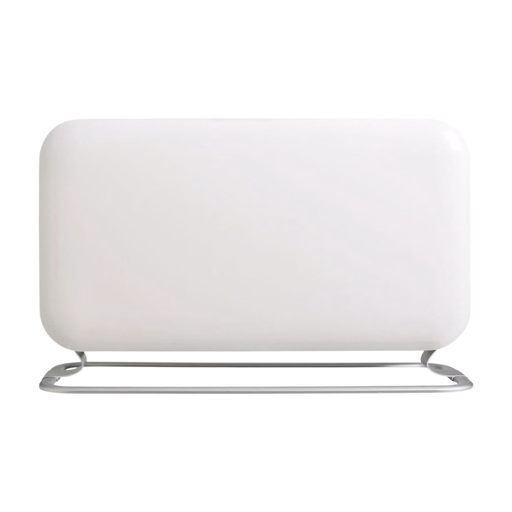
Why it suits this profile: A good choice if you’re looking for a quiet convector heater with electronic controls for a living room or office of up to the stated 20 m².
The power output, dimensions, cable and three settings are listed. Check for yourself whether 20 m² is suitable for your insulation and room layout.
2000W, LED display, electronic thermostat, three settings and a fan for improved heat distribution.

Why it suits this profile: According to its product description, this wall-mounted model is designed for bathrooms and has an integrated towel rail. It’s worth considering when permanent installation matters more than portability.
The stated IPX2 rating and overheat protection provide useful information for use in a damp environment. Follow the installation instructions.
Two settings of 1400W and 2000W, adjustable temperature, weekly timer and open-window detection, according to the product information.

Why it suits this profile: The combination of ceramic heating, remote control, a thermostat adjustable from 5°C to 35°C and a 24-hour timer makes this a good fit for home workers and anyone who wants to adjust the settings remotely.
The product description lists specific temperature settings, timer duration and safety features, rather than relying on general claims about comfort.
Four settings, ECO mode, oscillation, child lock, tip-over protection and overheat protection, according to the product specifications.
We’ve put together a complete, up-to-date list of products that meet these strict selection criteria and the applicable European safety regulations.
It depends on the room, insulation and how quickly you want it to warm up. 600W models are mainly suitable for a small personal area. Models from 1200W to 2000W are often available for medium-sized rooms. Use the stated capacity in m² as a guide, not a guarantee that it will suit every home.
A 2000W heater uses 2 kWh per hour at full power. The cost depends on your electricity tariff and how long the heating element stays on. A thermostat, timer and lower power setting can help you avoid heating for longer than necessary.
Check the instructions first and place the heater on a stable surface, with plenty of clear space around it. A timer and tip-over protection are useful features, but don’t leave the appliance covered or close to bedding, curtains or other flammable materials. Switch the heater off and unplug it when you’re not using it.
