
Vandaag of morgen in huis

Kwaliteit gegarandeerd

Welkomstaanbiedingen ontgrendelen: GRATIS bezorging | Tot 80% korting | Gratis 30 dagen JoyPlus-proefperiode
Download de app
A chilly home office, a drafty corner in the living room, or a bedroom that just won't warm up. An electric heater seems like a quick and simple solution. But the market is flooded with models that promise the world. In practice, many heaters turn out to be noisy, unsafe, or an unexpected drain on your energy bill.
Before you make a purchase, it's important to look past the marketing jargon. We'll outline the most common pitfalls and explain what you really need to pay attention to.
To avoid a bad purchase, it's best to focus on objective specifications. These three points are crucial for finding the right supplemental electric heating.
The power, expressed in watts, determines how powerful the heater is. Too little power won't warm the room, while too much power consumes unnecessary electricity.
Preferably, choose a model with multiple heat settings. This allows you to adjust the power to the situation and save energy.
The type of heating element affects the speed, heat distribution, and safety.
These features determine the ease of use, safety, and efficiency.
Based on these objective criteria, we have selected a number of models that suit different user profiles.
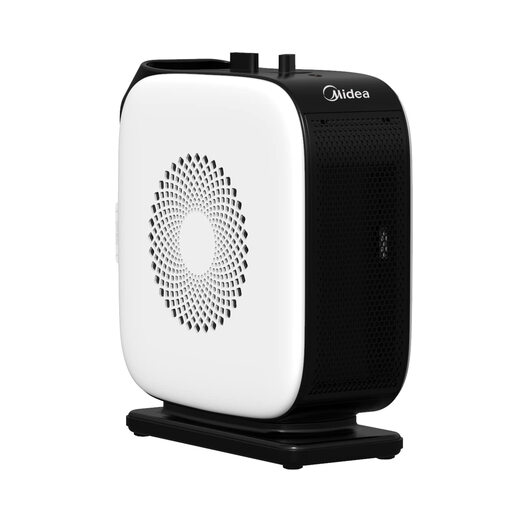
Why This Fits Their Persona: Ideal for those seeking a simple, effective, and affordable solution for a small space like a study or hobby room (up to 10 m?). This compact and portable heater does what it's supposed to do: deliver heat quickly.
This model is equipped with essential overheat protection. It makes no vague promises about energy consumption but offers control to manage it with two heat settings (1000W/1500W) and a thermostat.
The combination of a ceramic (PTC) element for rapid heat and an oscillation function for even distribution is a strong plus in this price range.
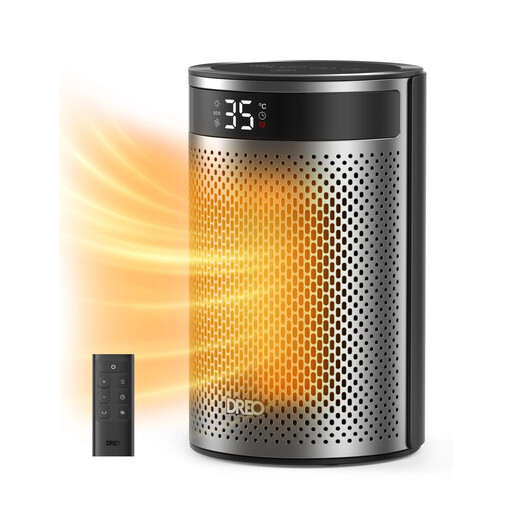
Why This Fits Their Persona: For those who prioritise peace and comfort. Perfect as a quiet heater for the bedroom or a focused work environment. The remote control, timer, and precise thermostat offer maximum convenience.
Dreo tackles the noise pitfall by specifying a sound level of 34 dB. The energy-saving claim is substantiated by the smart thermostat and DC motor. The 8-layer safety protection, including tip-over and overheat protection, is extensive.
The combination of a very low noise level and a precise thermostat (adjustable from 5-35°C) makes this model extremely suitable for spaces where quiet and a stable temperature are important.
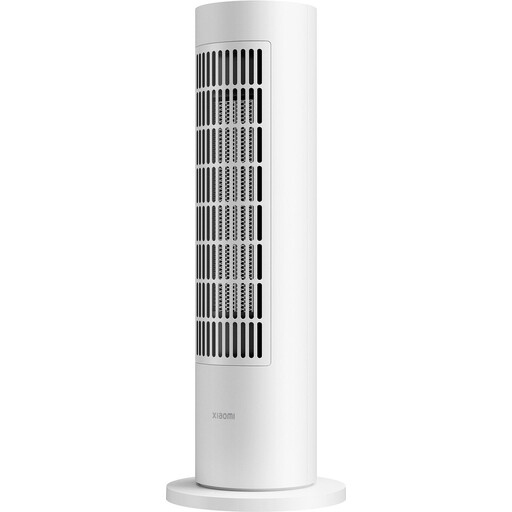
Why This Fits Their Persona: For those who want to combine functionality with modern design and smart technology. This tower heater doesn't look out of place in a sleek interior and can be controlled remotely, which perfectly suits a modern lifestyle.
This model is equipped with all crucial safety features, such as tip-over and overheat protection. The smart thermostat and app control help bypass the "energy-efficient" myth by giving the user complete control over consumption.
The control via the Mi Home app is the biggest plus. It allows you to set the heater from anywhere at any time, ensuring a warm welcome when you get home without the device being on all day.
We've compiled a complete, up-to-date list of products that fully meet these strict selection criteria and safety regulations.
The cost depends on the heater's power and your energy tariff. The calculation is simple:
(Power in kilowatts) x (your electricity price per kWh) = cost per hour
A 2000-watt (2 kW) heater running at full power for one hour, with an electricity price of €0.35 per kWh, will cost: 2 kW x €0.35 = €0.70 per hour. An electric heater with a thermostat will not run continuously at full power, which lowers the final cost.
Not necessarily in terms of consumption per hour, because 2000 watts is 2000 watts. The advantage of a ceramic heater lies in its efficiency. Ceramic elements heat up faster and retain heat better. Combined with a good thermostat, the heater can reach the desired temperature more quickly and needs to turn on less often and for shorter periods to maintain it. This can lead to lower total energy consumption in the long run.
It is generally not recommended to leave an electric heater unattended overnight. If you are considering it, you must choose a model with comprehensive safety features. A timer to automatically switch off the heater after a few hours is essential, as is reliable overheat and tip-over protection. Models like the DREO Atom 416, with their low noise level and multiple safety systems, are a better consideration in this case. Always ensure adequate ventilation and place the heater far from bedding or curtains.
