
Vandaag of morgen in huis

Kwaliteit gegarandeerd

Welkomstaanbiedingen ontgrendelen: GRATIS bezorging | Tot 80% korting | Gratis 30 dagen JoyPlus-proefperiode
Download de app
With rising gas prices, it's smart to heat only the rooms you're actually using. An electric heater offers a flexible solution for this. However, the market is flooded with models that make lofty promises. Many people fall into marketing traps and end up with a heater that's too loud, too expensive to run, or simply not powerful enough.
As a Joybuy Product Recommendation Officer, I'm here to help you make the right choice. We'll look past the advertising hype and focus on what truly matters. These are the most common pitfalls and how to avoid them.
Before you make a choice, there are a few technical specifications you need to check. These determine whether a heater is suitable for your situation.
Not all electric heaters work the same way. The technology determines the speed, noise level, and method of heat distribution.
The power, expressed in watts, determines how powerful the heater is. A simple rule of thumb for an averagely insulated room is:
For a 15 m? room, you'll need a heater with a power of approximately 1200-1500 watts. A model with multiple heat settings gives you more flexibility. A heater with a thermostat is essential here. It automatically shuts off when the desired temperature is reached and turns back on when it cools down. This prevents unnecessary power consumption and is what makes a heater a truly energy-efficient heater in practice.
Always check for basic safety features. A good electric heater should have at a minimum:
Convenient extras that enhance usability include a heater with a remote control, a timer function, or even app control on a smart heater. For use in damp areas, a special bathroom heater with an appropriate IP rating (at least IP21 for drip protection) is required.
Based on these criteria, we have selected a few models that suit different user profiles.
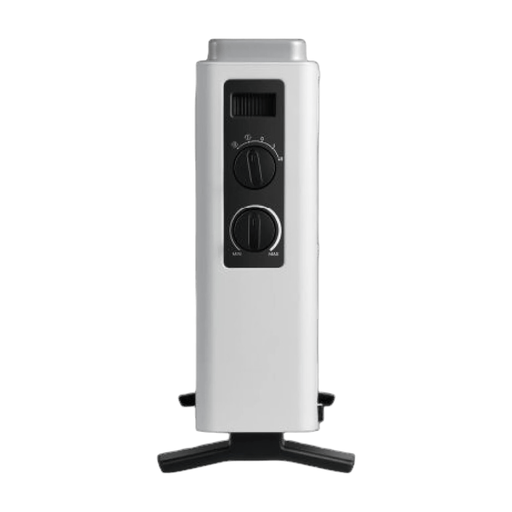
Why This Fits Their Persona: This is a no-frills convector heater for those who simply want a quiet, reliable heat source for a bedroom or hobby room. No complicated features—just turn it on and set the temperature.
This heater does exactly what it promises: heat quietly. It avoids the "wrong type" pitfall by being a pure convector heater, ideal for spaces where noise is a distraction.
Three power settings (800/1200/2000 W) for flexible heating and a mechanical thermostat for simple operation. Includes overheat protection.
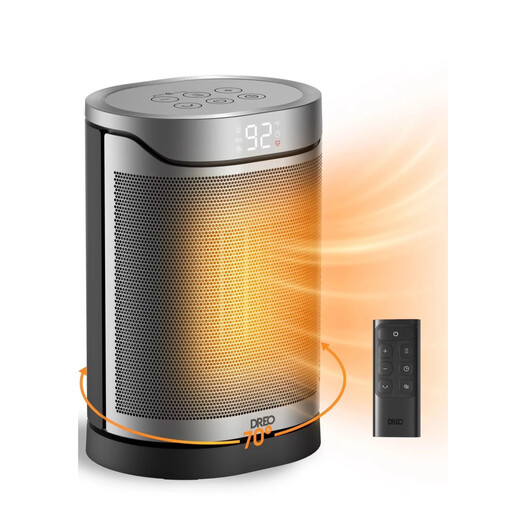
Why This Fits Their Persona: Perfect for those seeking comfort and tranquillity in the living room or bedroom. This heater combines rapid ceramic heat with a remarkably quiet design and convenient features like a remote control and timer.
It tackles the "noisy fan heater" pitfall with a noise level as low as 25 dB. The precise thermostat and ECO mode help manage energy consumption, making vague "energy-efficient" claims tangible.
According to the manufacturer, Dreo, the heater warms up in 2 seconds. It features quiet operation, a 12-hour timer, 70° oscillation, and comprehensive safety features.
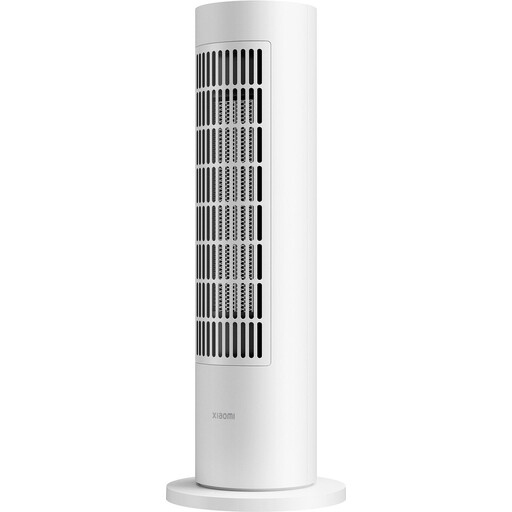
Why This Fits Their Persona: For those who love design, technology, and convenience. This smart heater fits seamlessly into a modern interior and can be fully controlled with your smartphone, wherever you are.
This heater offers concrete control via the Mi Home app. You can set schedules and monitor consumption, which makes the "energy-efficient" claim tangible. It's more than a gadget; it's a tool for efficient management.
Full remote control via the app, including temperature, timer, and heat settings. The PTC ceramic heater provides rapid warmth, and the design is sleek and compact.
We have compiled a complete, up-to-date list of products that fully meet these strict selection criteria and safety standards.
Consumption depends on the wattage and how long you use the heater. The calculation is simple: Power in kilowatts (kW) x Number of hours x Electricity price per kilowatt-hour (kWh).
A 2000-watt (2 kW) heater running for 3 hours consumes 2 kW x 3 hours = 6 kWh. With an electricity price of €0.30 per kWh, this would cost 6 x €0.30 = €1.80. A model with a good thermostat won't run continuously at full power, which significantly reduces costs.
Yes, provided you choose a model with the right safety features. For overnight use, exclusively use a heater with tip-over protection and overheat protection. A timer function is also recommended so the heater switches off automatically. Never cover an electric heater and ensure there is plenty of free space around the device.
For use in the bathroom, you need a special bathroom heater. It must have an IP rating that indicates the device is protected against moisture. A rating of IP21 means it's protected from dripping water and is the absolute minimum. IP24 (splash-proof) is a safer choice. Always check this specification before placing a heater in a damp room. The Camry CR 7747 is an example of a model specifically designed for wall mounting in the bathroom.
