
Vandaag of morgen in huis

Kwaliteit gegarandeerd

Welkomstaanbiedingen ontgrendelen: GRATIS bezorging | Tot 80% korting | Gratis 30 dagen JoyPlus-proefperiode
Download de app
A chilly study, a draughty bedroom, or you simply don't want to fire up the entire central heating system for just one room? An electric heater seems like a quick and simple solution. But the market is flooded with models making all sorts of promises. Many people fall into common traps, ending up with a noisy power-guzzler that gives up the ghost after just a few months.
Before you make a choice, it's wise to know what to look for. We've listed the most common mistakes so you don't have to make them.
quiet electric heater is essential for those spaces.To avoid a bad purchase, focus on a few technical specifications that truly matter. This will help you choose a model that is safe, efficient, and suits your needs.
Not every electric heater works the same way. The type determines how quickly and in what manner the heat is distributed.
supplementary electric heating. A coil gets hot, and a fan blows the warm air into the room. They are often compact and heat up quickly, but can be noisy and circulate dust.fan heater. Instead of a glowing coil, a ceramic element (PTC) is heated. This type provides a more constant and pleasant warmth, is often safer because the element doesn't get as hot, and typically lasts longer. Many modern, quiet models are a ceramic heater.An energy-efficient heater isn't necessarily a low-wattage heater, but one that uses energy smartly.
The power, expressed in Watts, determines how much heat a heater can generate. More isn't always better. A good rule of thumb for an averagely insulated room is about 75-100 Watts per square metre (m?).
portable heater of 600-1000W is often sufficient.Based on these criteria, we have selected a number of models that suit different user profiles.
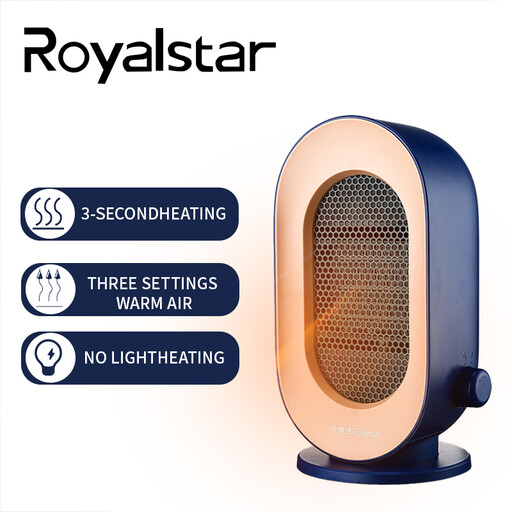
Why This Fits Their Persona: Ideal for a student dorm or a small under-desk workspace. This model is compact, affordable, and focuses on the essentials: quick, targeted heat without excessive power consumption.
With 600W of power, it avoids the pitfall of an overpowered, energy-hungry heater for a small space. It includes both tip-over and overheat protection, meaning no compromises were made on safety.
Low energy consumption: Its modest power is perfect for personal supplementary heating. Dual safety: Equipped with essential protection features.
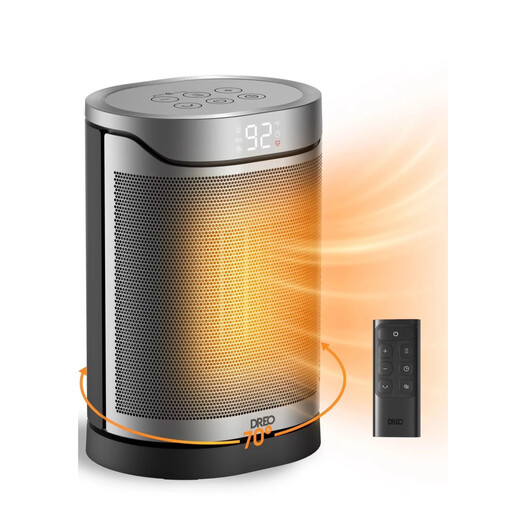
Why This Fits Their Persona: For those seeking peace and comfort while working. This heater is designed for low noise output and features a precise thermostat and timer, ideal for an undisturbed and cosy work environment.
This model tackles the noise trap with a specified noise level of 25-42 dB. Its precise thermostat (adjustable by the degree) and multiple power settings make it energy-efficient, preventing unnecessary power consumption.
Quiet operation: According to the manufacturer, the noise level is low, which is ideal for concentration. Precise control: The thermostat and timer provide tailored comfort and efficient energy use.
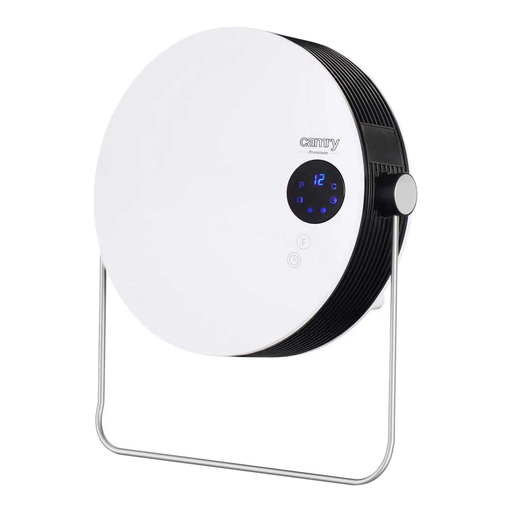
Why This Fits Their Persona: Specifically designed for those looking for a safe heating solution for the bathroom. This model can be wall-mounted and includes a convenient towel rail.
This model addresses the safety trap for damp spaces with an IPX2 rating, meaning it is protected against dripping water. The programmable weekly timer and open-window detection help prevent unnecessary energy consumption.
Suitable for bathrooms: The IPX2 rating allows for safe use in the bathroom. Smart features: A weekly timer and open-window detection contribute to efficient use.
We have compiled a complete, up-to-date list of products that meet these selection criteria and safety regulations, including models for specific spaces.
The cost depends on the heater's power (wattage) and the current electricity price. The calculation is simple: (heater wattage / 1000) x electricity price per kWh. For example: a 1500W heater running at full power for one hour consumes 1.5 kWh. With an electricity price of, say, €0.30 per kWh, that hour of heating costs €0.45. However, a heater with a thermostat will not run continuously, which significantly reduces costs.
A ceramic heater is not inherently more efficient in terms of power consumption per hour at full power. Its efficiency lies in how it operates. The ceramic element retains heat better and releases it more evenly. In combination with a good thermostat, this means the heater needs to cycle on less frequently and for shorter durations to keep the room at the desired temperature. Over time, this leads to lower total energy consumption.
This is only recommended if the heater has the proper safety features. Choose a model with a reliable thermostat, a timer so it switches off automatically, and the essential tip-over and overheat protection. Also, ensure the heater is unobstructed, not covered, and placed on a stable, flat surface. Always follow the manufacturer's safety instructions.
