
Vandaag of morgen in huis

Kwaliteit gegarandeerd

Welkomstaanbiedingen ontgrendelen: GRATIS bezorging | Tot 80% korting | Gratis 30 dagen JoyPlus-proefperiode
Download de app
Want to keep an eye on your energy bill while still enjoying a comfortable home office or living space? An electric heater is a popular solution for quickly warming up specific rooms without cranking up the central heating. But the market is flooded with models that overpromise and underdeliver. Many heaters turn out to be noisy power hogs or lack crucial safety features. This guide will help you make the right choices and avoid the common pitfalls.
Before you make a purchase, it's important to know what often goes wrong. Pay attention to the following points to avoid buyer's remorse.
To make an informed choice, focus on the specifications that truly matter. These three factors determine performance, safety, and ease of use.
The technology inside the heater determines how quickly and efficiently it generates heat.
A heater with a thermostat is essential for efficient energy use. Instead of running continuously, the heater automatically shuts off when the desired temperature is reached and turns back on when it cools down. This prevents unnecessary power consumption and maintains a constant, pleasant temperature. A timer function adds extra convenience, for example, by automatically switching the heater off when you go to sleep or leave the room.
Always check for the presence of two crucial safety mechanisms:
Based on objective specifications, we have selected a number of models that suit different user profiles.
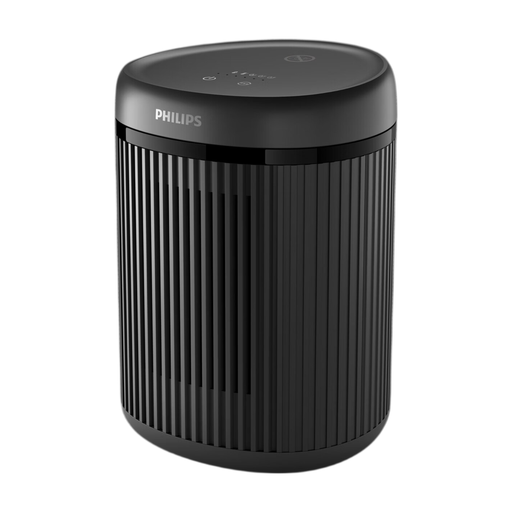
Why This Fits Their Persona: Ideal for a home office or student room. This compact model is designed for smaller spaces (up to 15 m?) and focuses on the essentials: fast, targeted heat without unnecessary frills. Perfect for placing under a desk to keep your feet warm while you work.
According to the manufacturer, this is a quiet heater with a noise level starting from 24 dB(A), so it won't disturb your concentration. The ceramic element provides efficient heat without the drawbacks of a simple fan heater.
Compact and portable: Weighing around 1.5 kg and with a small footprint, this heater is easy to move. Safety: Equipped with both tip-over and overheat protection.
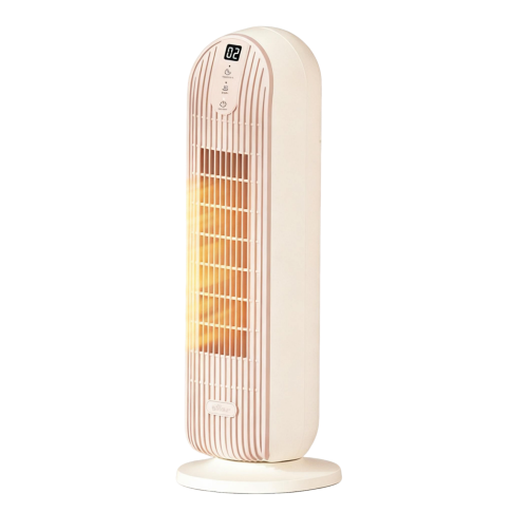
Why This Fits Their Persona: Suitable for those who want to evenly heat a living room or larger bedroom. The combination of 2000W power, oscillation, and a timer makes this a comprehensive solution for comfortable and targeted heating.
This model tackles the wattage trap with a 90° oscillation feature and an upward airflow, ensuring better heat distribution throughout the room. The 12-hour timer and adjustable power settings (1200W/2000W) help to manage energy consumption.
Even heating: The wide oscillation angle distributes heat throughout the entire space. Ease of use: Equipped with a digital display and timer for simple operation.
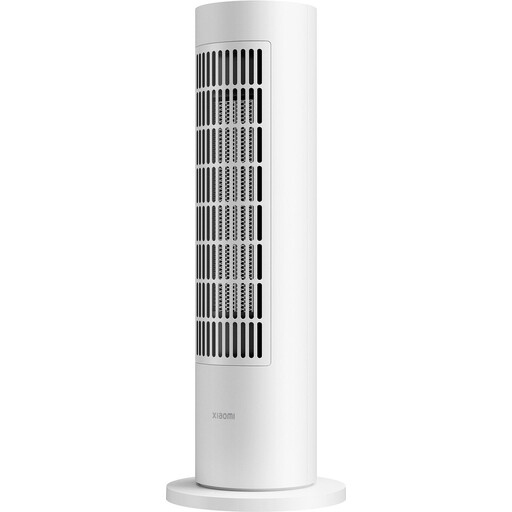
Why This Fits Their Persona: For those who value convenience and control via their smartphone. This heater can be operated remotely through the Mi Home app, allowing you to adjust the temperature even before you enter the room. The slim tower design fits well in a modern interior.
The smart thermostat function and app control offer precise control over temperature and energy consumption, making this a potentially energy-efficient heater. The PTC ceramic element and built-in safety features (tip-over and overheat protection) come as standard.
Smart control: Full control via the Mi Home app, including temperature settings and timers. Modern design: The tower model is compact and stylish.
We have compiled a complete, up-to-date list of products that meet these strict selection criteria and UK/EU safety regulations.
Power consumption depends directly on the wattage and how long the heater is on. A 2000-watt (2 kW) heater uses 2 kilowatt-hours (kWh) per hour at full power. With an electricity price of, for example, ?0.25 per kWh, this would cost ?0.50 per hour. However, a model with a good thermostat will not run continuously at full power, which reduces actual consumption.
At the same power rating, a ceramic heater consumes just as much electricity as a traditional heater. The efficiency lies in its operation: ceramic elements heat up faster and retain heat better. Combined with a thermostat, this leads to shorter heating cycles and thus lower total energy consumption to keep a room at a constant temperature.
Yes, provided you choose a model that is suitable for this purpose. Look for a quiet heater, preferably a ceramic model with a low noise level. Ensure the heater has a thermostat, timer, and the mandatory tip-over and overheat protection. Always place the heater on a stable, flat surface and keep it at a safe distance from bedding and curtains.
