
Vandaag of morgen in huis

Kwaliteit gegarandeerd

Welkomstaanbiedingen ontgrendelen: GRATIS bezorging | Tot 80% korting | Gratis 30 dagen JoyPlus-proefperiode
Download de app
Turning the thermostat down a notch is common advice, but a cold office or bedroom is no fun either. An electric heater offers a solution as flexible, supplemental heating. However, the market is flooded with models that promise the world. Before you invest in extra warmth, it's crucial to understand the common pitfalls that can unnecessarily drive up your costs.
As a Joybuy Product Recommendation Officer, I'll help you cut through the marketing hype. We'll look at the specs that truly matter, so you can choose a heater that fits your space, usage, and budget.
To avoid a bad buy, focus on the following three points. These determine whether a heater is suitable, safe, and efficient for your situation.
Not every type of heater is suitable for every room. The technology determines the speed, noise level, and heat distribution.
Always check for the presence of these three safety features:
A built-in thermostat is the key to efficient energy use. You set the desired temperature, and the heater only turns on when needed to maintain it. A timer adds extra convenience, for example, to automatically turn the heater off when you go to sleep or leave the house.
Based on objective specifications, we have selected several models that suit different user profiles.
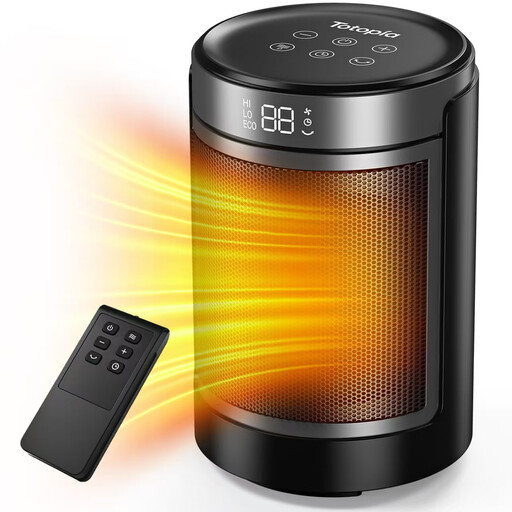
Why This Fits Their Persona: Perfect as a compact, personal heater for a desk or small study. The ceramic technology provides fast, targeted heat without having to warm up the entire room.
The ECO mode automatically adjusts the power based on the ambient temperature. This, combined with the timer, prevents unnecessary power consumption and tackles the pitfall of vague 'energy-efficient' claims.
Includes a remote control and oscillation function for wide heat distribution. Features both tip-over and overheat protection.
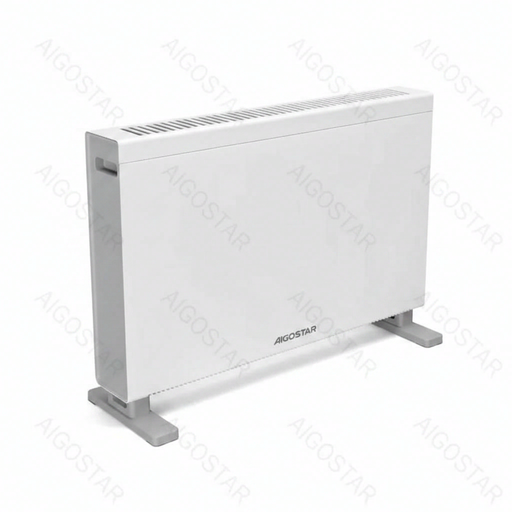
Why This Fits Their Persona: Ideal for those who want to heat a living room or bedroom comfortably and quietly. A convection heater is silent and perfect for maintaining a constant, pleasant temperature.
This model is a silent heater, unlike noisy fan heaters often marketed for bedrooms. The built-in thermostat and 24-hour timer ensure efficient operation.
Silent operation through natural convection. It has an LED display, remote control, and the required tip-over and overheat protection.
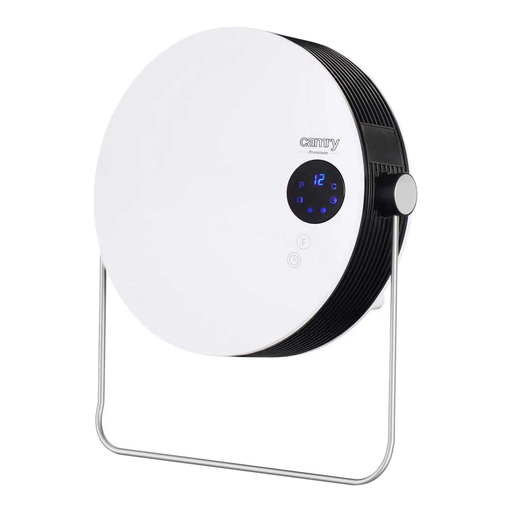
Why This Fits Their Persona: Specifically designed for the bathroom. This model combines rapid heat with the safety required in a damp environment, plus a handy rack to pre-warm towels.
This is a true bathroom heater with an IPX2 rating, which protects it from dripping water. This helps you avoid the major risk of using an unsuitable heater in a damp space.
Designed for wall mounting, which saves floor space. The programmable weekly timer and 'open window detection' help conserve energy.
We have compiled a complete, up-to-date list of products that fully meet these strict selection criteria and safety regulations.
Power consumption depends directly on the wattage (expressed in Watts) and how long you use the heater. A simple calculation: a 2000W heater running at full power consumes 2 kilowatt-hours (kWh) per hour. With a thermostat and timer, you can significantly reduce this consumption, as the heater won't be running continuously at maximum power.
A ceramic heater is not inherently more efficient in converting electricity to heat. Its efficiency lies in its operation: ceramic elements heat up quickly and retain heat better. Combined with a good thermostat, a ceramic heater can maintain the desired temperature more effectively, meaning it needs to run less often and for shorter periods. This can lead to lower overall consumption compared to a simple fan heater that blows constantly.
It is generally not recommended to leave a portable heater on unattended overnight. If you do consider it, you must choose a model with reliable overheat and tip-over protection. A silent heater, such as a convection model, is the most pleasant choice. Use the timer function to automatically turn the device off after a few hours for added peace of mind.
