
Vandaag of morgen in huis

Kwaliteit gegarandeerd

Welkomstaanbiedingen ontgrendelen: GRATIS bezorging | Tot 80% korting | Gratis 30 dagen JoyPlus-proefperiode
Download de app
An electric grill is handy for quick meals, but not every model suits the same style of cooking. A compact contact grill is ideal for toasted sandwiches and burgers, while a plancha grill offers more space for vegetables, fish and cooking for several people. If you focus only on wattage or an attractive offer, you could run into practical problems after you’ve bought it.
A power rating of 2,000 or 2,400 watts sounds impressive, but it doesn’t tell you how much cooking space you’ll get or how evenly the heat is distributed. A smaller, high-powered grill may heat up quickly, but still leave too little room for a family meal. So always check the grill surface, the plate layout and the temperature controls.
A grill with a non-stick coating can reduce the need for oil and help prevent food from sticking. However, cleaning can still be tricky if the plates aren’t removable or there’s nowhere for the fat to drain. Check whether it has a removable grill plate, a drip tray and clear cleaning instructions. Don’t use metal utensils on coated plates.
Brands use terms such as “smokeless” or “less smoke”. According to a brand’s own research, certain models may produce less smoke or odour, but the result also depends on the food’s fat content, the temperature and ventilation. Place an indoor grill on a stable, heat-resistant surface and make sure the room is well ventilated. “Suitable for indoor use” doesn’t mean you can leave the appliance unattended.
Choose a type that suits how you’ll use it most:
A large cooking surface is useful for families, but it also takes up more storage space. Measure your worktop, cupboard or balcony beforehand.
An adjustable thermostat gives you more control than a simple on/off switch. A lower setting works well for fish or delicate vegetables; a steak or grilled vegetables may need more heat. Automatic programmes can make the grill easier to use, but check which ingredients they’re actually designed for.
A thickness sensor or cooking indicator is particularly useful on a contact grill. According to the product description, these features can adjust the cooking time, but always check the food yourself and follow the instructions.
A sloping grill plate can channel fat and juices into a drip tray. This helps keep the cooking surface clear, but doesn’t automatically make a meal “healthy”. So treat healthy grill mainly as a search term, and look at how fat is drained, how much oil you use and how easy the grill is to clean.
Check the following:
The stated dishwasher-safe rating applies only to parts specified by the manufacturer. Always check the manual.
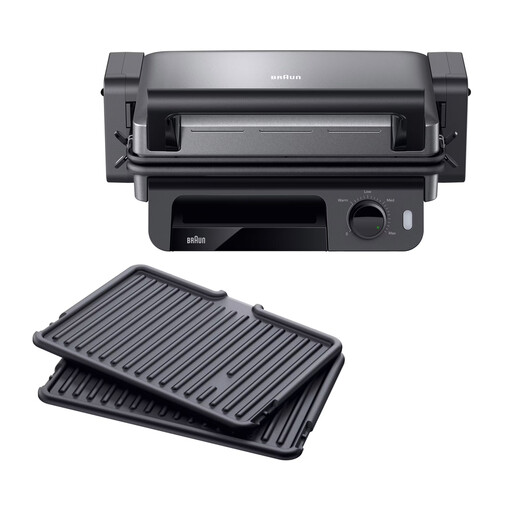
Why it suits this profile: The 3-in-1 design offers contact, open and oven modes. With 2,000 watts of power, it’s a versatile choice for sandwiches, meat, fish and vegetables, without having to buy a large appliance straight away.
You’re not limited to one cooking position. According to the product information, the integrated, removable drip tray is dishwasher-safe; check the manual for guidance on other parts.
2,000 watts, upright storage and two cooking surfaces with three settings.
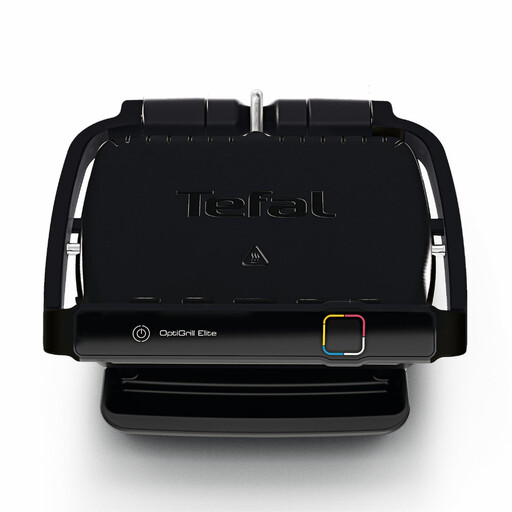
Why it suits this profile: If you grill indoors regularly and want plenty of guidance, this contact grill offers 12 automatic programmes, touchscreen controls, a timer and a 30 × 20 cm cooking surface.
The preset programmes and cooking indicator give you more information than a basic on/off control. According to the product information, the plates and drip tray are dishwasher-safe.
2,000 watts, 12 programmes, a timer and removable plates.
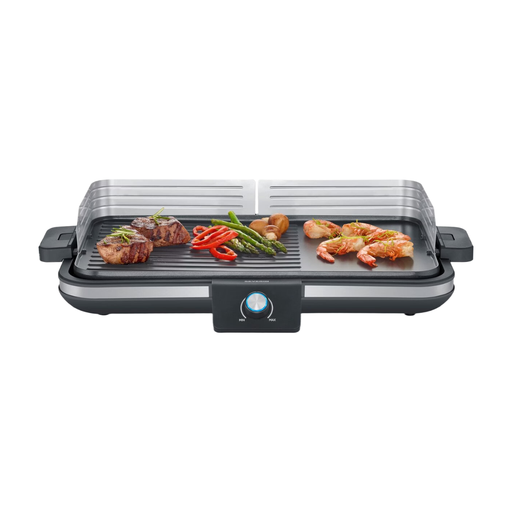
Why it suits this profile: The combination of a ridged and smooth plate, a 1,500 cm² surface and a thermostat that reaches 230 °C makes this a good fit if you regularly cook for several people.
The temperature can be adjusted continuously, so you’re not restricted to one fixed heat setting. The drip tray and grill plate are removable.
2,300 watts, 1,500 cm² of cooking space and temperature control up to 230 °C.
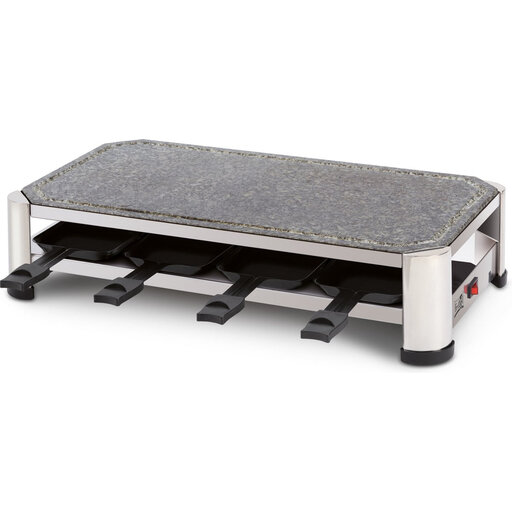
Why it suits this profile: For an evening around the table, this raclette grill caters for 2 to 8 people and comes with a natural stone plate, eight small pans and spatulas.
Its capacity is clearly specified, so you won’t have to rely on a compact model with too little grill space for your group.
1,500 watts, eight small pans and a removable natural stone plate.
We’ve put together a complete, up-to-date list of products that meet these strict selection criteria and the applicable European safety requirements.
That depends on the specific model. A contact grill or indoor grill is generally designed for indoor use, but good ventilation is still important. You can’t automatically use an outdoor electric barbecue indoors. Check the label, the manual and the manufacturer’s safety instructions.
Switch off the appliance, unplug it and let everything cool down completely. Then remove the drip tray and any removable plates. Only put parts in the dishwasher if the manufacturer says they’re dishwasher-safe. Never immerse the electrical base, cable or plug in water.
Energy consumption depends on the wattage and how long you use the grill. A 2,000-watt appliance theoretically uses 2 kWh if it runs continuously at full power for one hour. In practice, a thermostat often switches the grill off temporarily once it reaches the desired temperature. Multiply the actual energy consumption by your current electricity tariff to get a more realistic cost.
