
Family wanting juice in one jug
Wants to juice several portions of grapefruit and serve them at the table. Look for a cone that the manufacturer says is suitable, the jug capacity and which parts can be removed.


Start with a juicing cone that the manufacturer confirms is suitable for grapefruit. A jug is handy if you want to collect juice for several members of the family; a direct spout lets you fill glasses one after another, but you should also check the spout height and how easy it is to clean. The Netherlands Food and Consumer Product Safety Authority states that CE marking is compulsory for electrical products placed on the Dutch market, so check the marking on the exact appliance.
Wants to juice several portions of grapefruit and serve them at the table. Look for a cone that the manufacturer says is suitable, the jug capacity and which parts can be removed.
Wants to juice grapefruit straight into glasses without having to press each half down firmly by hand. A lever, the height of the spout and a drip-stop may all be worth considering.
Wants to wash as few parts as possible by hand after breakfast. Check the cleaning instructions for the exact model and keep the motor unit out of the dishwasher.
First, check whether the manufacturer says the juicing cone is suitable for grapefruit. Then decide whether you want to collect juice in a jug or fill glasses one after another, before comparing cleaning and ease of use.
| What to consider | What to look for | Who is it important for? |
|---|---|---|
| Grapefruit suitability of the cone | Check whether the manufacturer specifies grapefruit or large citrus fruit for the cone on the exact model. | If I want to juice grapefruit halves, I want to know whether the cone is designed for them. Around 31% of consumers say grapefruit fit is their top buying priority. |
| Jug or direct pouring | Compare the capacity and removability of a jug, or check the spout and the height of your glasses. | If I want to collect several portions at breakfast and serve them together, a jug is a sensible choice. Around 25% of consumers prioritise capacity for the family. |
| Cleaning | Check which parts can be removed and which, according to the manual, are dishwasher-safe. | After juicing several times, I want to be able to tidy up quickly without getting the motor unit wet. Around 19% of consumers put cleaning first. |
| Lever operation | Check whether the model has a lever and read the operating instructions for the exact appliance. | If I would rather use a lever than press the grapefruit half down firmly myself, I look for that feature. Around 13% of consumers prioritise using less manual pressure. |
| Pulp | Distinguish between a pulp filter and an adjustable pulp-control setting. | If I want to match the juice texture to everyone’s preferences at the table, I check which controls the model actually has. Around 12% of consumers give pulp control top priority. |
Tristar lists 40 W for the CP-3006, while Princess lists 160 W for the 201851. These power ratings are not a like-for-like measurement of juice yield.
First, choose based on confirmed suitability for grapefruit and how you want to serve the juice. Don’t compare wattages as if they were yield figures.
The motor unit is not the same as the removable parts. For the models covered by its cleaning instructions, Philips recommends cleaning the motor unit with a damp cloth.
Follow the manual for the exact model and keep the motor unit out of the dishwasher.
The CP-3006 is a jug-style option for family breakfasts; the CP-3002 has a different design, with a lever and direct spout.
The 201851 Master Citrus Juicer combines a pressing lever with a direct spout, and the manufacturer specifically mentions grapefruit.
The CitrusQuick 7 CJ7050BK is a lever juicer that pours straight into a glass or the supplied jug.
The Citrus Press Pro SCP800BAL4EEU1 is a lever juicer designed for different sizes of citrus fruit, including grapefruit.
The Dutch product comparison includes models with a collection container, a pulp selector or a direct spout.
These Joybuy models are options for juicing grapefruit at breakfast. Before buying, check that the exact electrical appliance carries the required CE marking; the Netherlands Food and Consumer Product Safety Authority states that this is compulsory for electrical products placed on the Dutch market.
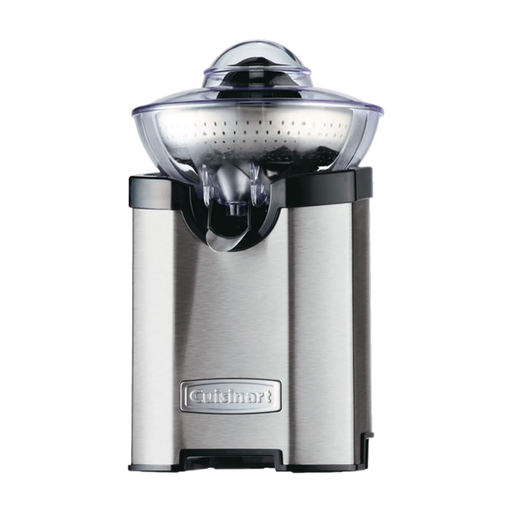 Image unavailable
An option if you want to juice grapefruit and collect the juice directly.
100 W; extra-wide spout; anti-drip system; dishwasher-safe removable parts; stainless steel design.
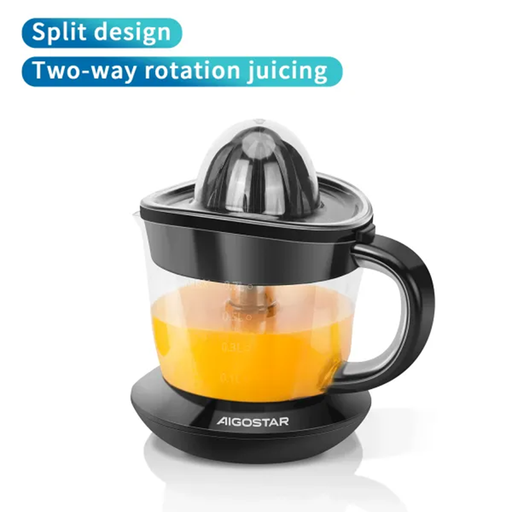 Image unavailable
A jug-style model for collecting enough juice for several glasses at once.
0.7 litres; two juicing cones; clockwise and anti-clockwise rotation; adjustable filter; removable parts.
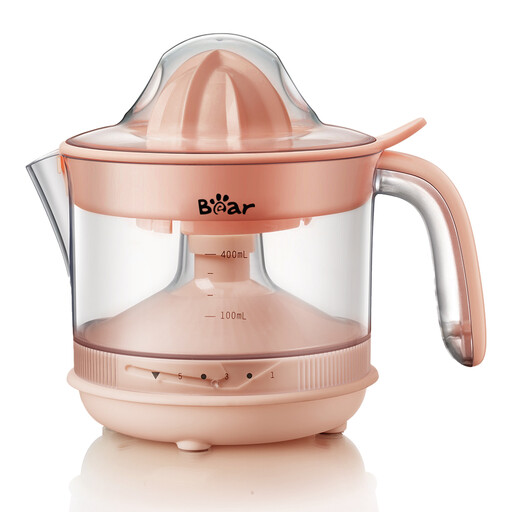 Image unavailable
An option if you want to juice grapefruit and adjust the amount of pulp.
Five pulp settings; 110 mm feed opening; removable parts.
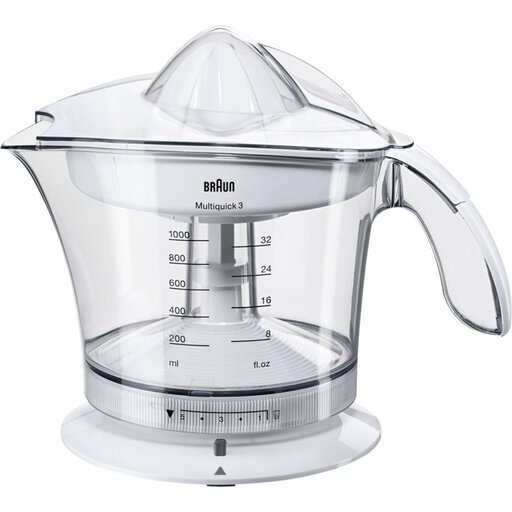 Image unavailable
A jug-style model for anyone who wants to juice grapefruit and collect the juice before serving.
1-litre jug; clockwise and anti-clockwise rotation; dishwasher-safe parts.
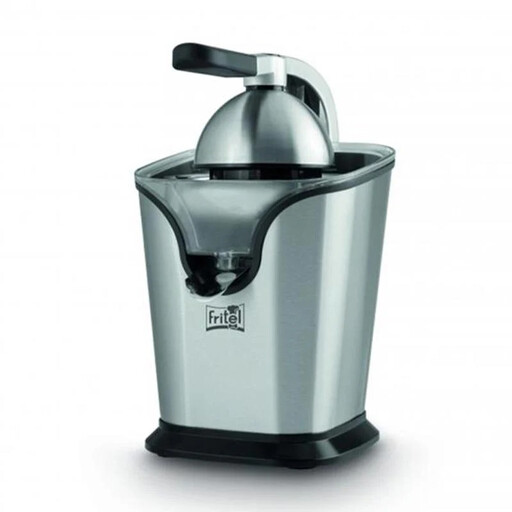 Image unavailable
An option if you want to juice grapefruit using a pressing arm and a larger cone designed for the job.
100 W; two interchangeable juicing cones; pressing arm; drip-stop; dishwasher-safe removable parts.
You can’t tell from the product category alone. Check whether the manufacturer specifies grapefruit or suitably large citrus fruit for the cone on the exact model; the Princess 201851 and Sage SCP800BAL4EEU1 specifically mention grapefruit.
A jug is ideal for collecting juice for several people; a direct spout fills glasses one after another. With a jug, bear in mind that there’s an extra part to clean. If you’re pouring directly, check that the spout is high enough for your glasses.
This varies by model and part, so follow the manual for the exact appliance. Tristar lists dishwasher-safe removable parts for the CP-3006; for the models covered by its cleaning instructions, Philips recommends wiping the motor unit with a damp cloth.
The Netherlands Food and Consumer Product Safety Authority states that CE marking is compulsory for electrical products placed on the Dutch market. Check the marking on the exact appliance; the general requirement does not confirm that an individual product is correctly marked.
Not necessarily: according to Apotheek.nl, grapefruit can interact with some medicines. Check the patient information leaflet or medicine label, and ask a pharmacist if you’re unsure.