
Vandaag of morgen in huis

Kwaliteit gegarandeerd

Welkomstaanbiedingen ontgrendelen: GRATIS bezorging | Tot 80% korting | Gratis 30 dagen JoyPlus-proefperiode
Download de app
A good food chopper promises a lot: faster cooking, fewer tears when chopping onions, and perfect pesto in a flash. But the reality is often different. Many models end up as dust collectors in the back of the kitchen cabinet. This is usually due to a few common pitfalls that are easy for buyers to fall into. As a Product Recommendation Officer at Joybuy, I filter out the noise and give you practical advice to avoid making a bad purchase.
Before we look at specifications, it's important to recognise the most common problems. Manufacturers often praise features that are disappointing in practice.
To avoid the pitfalls mentioned above, you need to look beyond the marketing slogans. Pay attention to these three concrete specifications.
The power, expressed in watts, gives an indication of the motor's strength. For soft ingredients like herbs or an onion, 200-300 watts is often sufficient. If you plan to regularly chop nuts, hard cheeses, or even grind meat, a motor of 400 watts or more is recommended.
More important than pure wattage is the presence of multiple speed settings. A low speed is ideal for a coarse texture (think salsa), while a high speed creates a fine purée (like baby food or hummus). A multi-chopper with two speeds gives you control and prevents unnecessary strain on the motor, which improves its lifespan.
The bowl is where all the action happens. The choice of material directly impacts ease of use and hygiene.
The capacity is also important. For a quick onion chopper or for mincing a clove of garlic, a mini chopper with a 0.5-litre capacity is perfect. For families or for preparing larger portions of soup or sauce, a bowl of 1 to 2 litres is a better choice.
The number and shape of the blades determine the efficiency. Most choppers have two blades. Models with four blades, often placed in two layers, process ingredients faster and more evenly. Stainless steel (SS) blades are the standard due to their durability and sharpness.
Some devices are more than just an electric vegetable slicer. They function as a small food processor with extra attachments for grinding or even as a meat grinder for making your own minced meat. Consider beforehand what you will primarily use the appliance for.
Based on objective specifications, we have selected a few models that suit different user profiles.
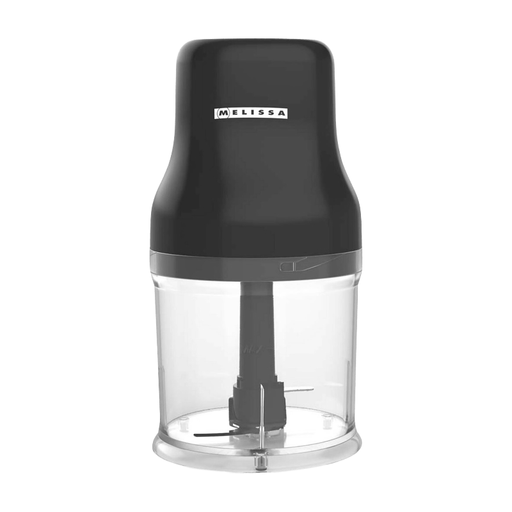
Why This Fits Their Persona: Ideal for those who want to quickly chop an onion, some herbs, or nuts without pulling out a large appliance. Perfect for one or two-person households and daily small tasks.
This model is specifically designed for light tasks, so the 200W motor won't easily overload. The bowl and blades are dishwasher-safe, which prevents the cleaning nightmare.
Compact size (0.5 litre) and simple one-button operation. Takes up little space and is ready for immediate use.

Why This Fits Their Persona: For the home cook who regularly cooks for the family and needs a reliable appliance for sauces, vegetable mixes, and grinding meat for things like pasta sauce.
The large 2-litre glass bowl is stable, hygienic, and doesn't absorb odours. The two speeds ensure the 300W motor is used efficiently, reducing the risk of overheating.
Large capacity for family meals and dual-speed control for managing the texture of both soft and harder ingredients.
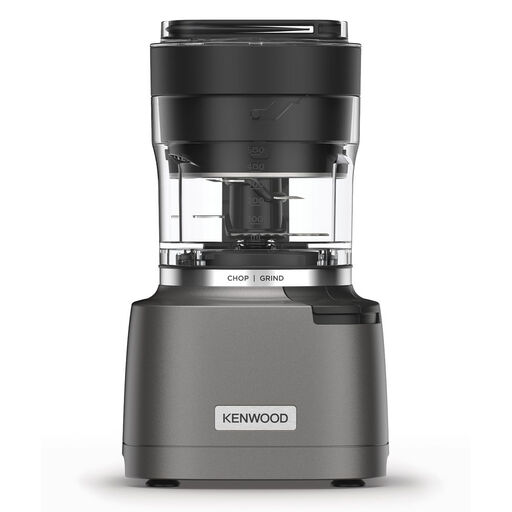
Why This Fits Their Persona: For the user who wants more than just chopping. This appliance also grinds coffee beans, spices, and other hard ingredients thanks to a separate attachment. A powerful and versatile choice.
The very powerful 800W motor can handle heavy-duty tasks without the risk of overheating. The separate grinding bowl ensures you use the right tool for the job, which extends the lifespan of both components.
2-in-1 functionality (chopping and grinding) with a powerful motor and the signature Quadblade system for an even result.
We have compiled a complete, up-to-date list of products that fully meet these strict selection criteria and local safety regulations.
1. How long does a food chopper typically last? The lifespan heavily depends on the motor quality and usage. A general rule is to not run the motor continuously for more than 30 seconds. Use short pulses for a better result and to prevent overheating. With proper use and regular cleaning, a quality model can last for years.
2. Can I chop ice or frozen ingredients? Only if the manufacturer explicitly states it. Most standard choppers are not designed for this. The blades can become dull, and the motor can be damaged by the extreme resistance. For example, Philips mentions that its 3000 Series Chopper supports an ice-crush function. Always check this in the product description.
3. Is a food chopper with a glass bowl better? Not necessarily better, but different. A glass bowl is more hygienic, more stable, and doesn't absorb odours, which is great if you alternate between chopping onions and fruit. A plastic bowl is lighter and less fragile, which can be convenient for storage. The choice depends on your personal preference and what you'll use the appliance for most often.
