
Vandaag of morgen in huis

Kwaliteit gegarandeerd

Welkomstaanbiedingen ontgrendelen: GRATIS bezorging | Tot 80% korting | Gratis 30 dagen JoyPlus-proefperiode
Download de app
An electric food chopper can take care of a lot of chopping for you, from onions and herbs to nuts, sauces, purées and meat. However, some models can disappoint in everyday use. The bowl may be smaller than expected, cleaning can take longer than chopping by hand, or the motor may overheat quickly.
As a Joybuy Product Recommendation Officer, I focus on specifications you can check. Read on to find out what to look for before buying an electric food chopper, and which models suit different kitchen needs.
A 500-watt motor sounds powerful, but the results also depend on the blade design, maximum fill level and permitted running time. Some compact models should only be run for around 30 seconds at a time, then left to cool down. That’s normal for many mini food choppers, but less convenient if you’re preparing several batches in a row.
So check:
A 1- or 2-litre bowl can’t always be filled to the brim. Some models have a lower practical fill capacity to prevent splashing and uneven chopping. A 500–830 ml mini food chopper is often enough for a one- or two-person household. For meal prep or family-sized portions, 1 to 2 litres is more convenient.
So check the difference between the total bowl capacity and the stated maximum quantity of ingredients.
A food chopper usually consists of a motor base, lid, bowl and removable blades. The motor base must not be immersed in water. Check whether each part is dishwasher-safe and whether the blades are easy to remove. A glass bowl generally absorbs less odour and colour than plastic, but it’s heavier and can break if knocked hard.
For herbs, soft vegetables, dips and cooked ingredients, a lower power rating may be enough. If you’re also looking for a food chopper for meat and vegetables, it’s worth looking for at least around 300 to 500 watts, multiple speeds and a pulse function. Power alone doesn’t guarantee a particular result, so always follow the product instructions.
A single push button is easy to use for quick jobs. Two speeds give you more control when making chunky salsa, smooth purée or chopped nuts. A multifunctional food chopper with a separate grinder cup may also be suitable for coffee, spices or herbs.
A food chopper with stainless steel blades is practical for ingredients you prepare regularly. As well as checking the material, look at the number of blade levels and how the blades move through the bowl. Four blades or a multi-level system can reach ingredients across more of the bowl’s height, but an even result still depends on portion size and how finely the ingredients are cut.
Cut large ingredients into pieces of around 2 to 2.5 cm first. Remove bones, stones and hard shells. Take extra care with hygiene when preparing baby food: process cooked ingredients separately from raw meat, and clean the bowl, lid and blades straight after use.
A food chopper with a glass bowl is a good choice if you want to keep an eye on the ingredients and texture as you chop. Plastic may be more practical if you need compact storage.
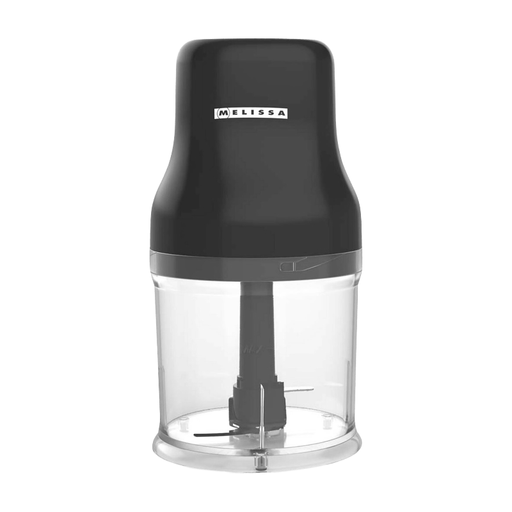
Why it suits this type of user: A compact option for smaller portions of fruit, vegetables, herbs and nuts, with no extra programmes or complicated controls.
The product specifications list a 500 ml bowl, a dishwasher-safe bowl and blades, and a maximum running time of 30 seconds per cycle.
200 watts, two stainless steel blades, one speed and non-slip feet.
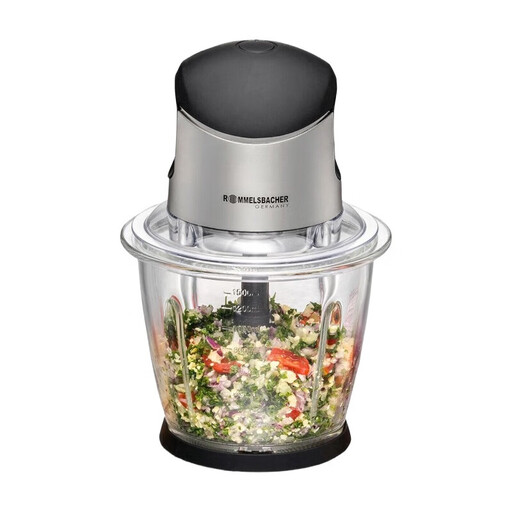
Why it suits this type of user: The glass bowl, metal drive and larger capacity make it a good fit if you regularly prepare a variety of ingredients.
The product specifications list a 1.5-litre glass bowl, a four-wing stainless steel blade and removable parts that are dishwasher-safe.
500 watts, a 1.5-litre glass bowl, and suitable for ingredients including nuts and meat, according to the product description.
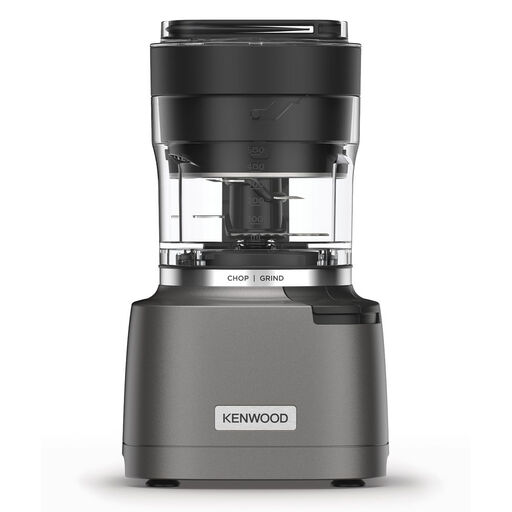
Why it suits this type of user: Handy if you want to grind coffee, herbs or other hard ingredients as well as chop food.
As well as a chopping bowl, this model has a separate grinder cup. This lets you process and store different ingredients separately.
800 watts, two speeds, two bowls and removable parts that are dishwasher-safe, according to the product description.

Why it suits this type of user: The 0.6-litre bowl and 2-litre bowl offer flexibility for both small sauces and larger portions.
Two separate bowls and two sets of blades help prevent flavours from mixing. The product information also mentions a concealed safety lock.
300 watts, two speeds, two glass bowls and stainless steel blades.
We’ve put together a complete, up-to-date list of products that meet these strict selection criteria and the current European safety regulations.
An electric food processor uses relatively little electricity during short chopping cycles. Actual consumption depends on the motor’s power rating and total running time. Use short pulses rather than letting the motor run for longer than necessary. This also helps prevent ingredients from becoming too finely chopped.
Also bear the following points in mind:
That depends on the model. Check whether the product description mentions meat, and look at the power rating, blade design and permitted portion size. Always remove bones and hard parts. Clean the parts straight after use to help prevent cross-contamination.
Its lifespan depends on the materials, maintenance, how often you use it and whether you follow the instructions. A motor that’s regularly overloaded may wear out sooner. Also check the warranty terms and whether replacement parts are available.
Electricity use per preparation is usually low because a food chopper is only used for a short time. For a more accurate estimate, multiply the power rating in kilowatts by the running time in hours and your current electricity tariff. Cleaning and replacing blades, if needed, are other ongoing costs.
