
Vandaag of morgen in huis

Kwaliteit gegarandeerd

Welkomstaanbiedingen ontgrendelen: GRATIS bezorging | Tot 80% korting | Gratis 30 dagen JoyPlus-proefperiode
Download de app
An electric food chopper can take a lot of the prep work off your hands. It processes vegetables, herbs, nuts, fruit and meat faster than chopping them with a knife. However, not every appliance is suitable for everyday use. A compact mini chopper may be handy for making a sauce, but fall short when preparing a family meal. A high wattage sounds powerful, but it doesn’t tell you everything about capacity, blades or permitted running time.
The Joybuy Product Recommendation Officer therefore focuses on specifications you can check. That way, you won’t pay for features you’re unlikely to use.
High power is often used as the main selling point. In practice, the blade design, bowl shape, pulse control and running time also determine how useful a food chopper is. A 800-watt motor with a small bowl isn’t automatically suitable for large portions.
Also check whether the appliance is only designed to run for short periods. The Rommelsbacher MZ 600, for example, has a maximum running time of 0.5 minutes per cycle. The Melissa Mini Food Chopper can be used for up to 30 seconds at a time, after which the motor needs to cool down.
A multifunctional food chopper can chop, mix or purée, but not every model grinds coffee beans or processes meat. Check which accessories are included and what the appliance is designed to do. A food chopper with a meat mincer needs different components from a food chopper for onions and herbs.
If you want to make mince, check that the appliance comes with a proper meat mincer, mincing plate or suitable meat-processing accessory. A standard chopping blade is not the same as a meat mincer.
Blades, lid edges and bowls can trap food after use. A dishwasher-safe food chopper can save time, but check exactly which parts are safe to put in the dishwasher. With almost all models, the motor base must be kept out of the dishwasher.
Measure the space you have available, too. An appliance with a 2 to 3-litre capacity holds more, but takes up more room than a 0.5-litre mini chopper.
A 0.5-litre bowl is often enough for herbs, nuts, garlic and small amounts of fruit. For a family or meal prep, 2 litres is more practical. A 2-litre food chopper gives you more room for vegetables, meat or dips, so you won’t need to process several small batches.
Bear in mind that the stated capacity doesn’t always mean you can fill the bowl to the brim. Check the maximum fill line and consider the shape of the ingredients. Cut hard vegetables into smaller pieces first for more even results.
A stainless steel blade is suitable for many everyday ingredients and is easy to rinse clean. More blades don’t automatically mean better results; their position in the bowl is just as important. The Rommelsbacher MZ 600 has a six-blade stainless steel knife and 22 speed settings. The MZ 800 has a nine-blade knife and also offers 22 settings.
Pulse control gives you more control over the texture. A short press can help you chop ingredients coarsely, while running the appliance for longer will generally give you a finer texture. Always follow the instructions and don’t exceed the permitted running time.
A glass bowl is transparent, sturdy and lets you see how the ingredients are being processed. A stainless steel bowl is less prone to discolouration and is suitable for intensive kitchen use. Also check for:
Products with a CE marking must meet the relevant European requirements for their product type. This doesn’t mean an appliance is suitable for every use. The legal guarantee for the models mentioned is at least two years in the EU; additional rights may apply under national law.
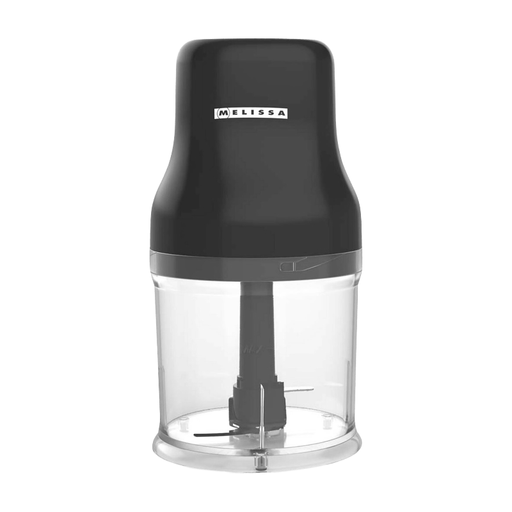
Why it suits this need: This compact model has a 0.5-litre capacity and is designed for small portions of herbs, nuts, fruit and vegetables. It’s a good fit for a small kitchen or occasional use.
The product information states a maximum running time of 30 seconds per cycle. That makes it clear this is a mini food chopper for short bursts, not large quantities.
200 watts, 500 ml bowl, stainless steel blades, non-slip feet, and a dishwasher-safe bowl and blades.
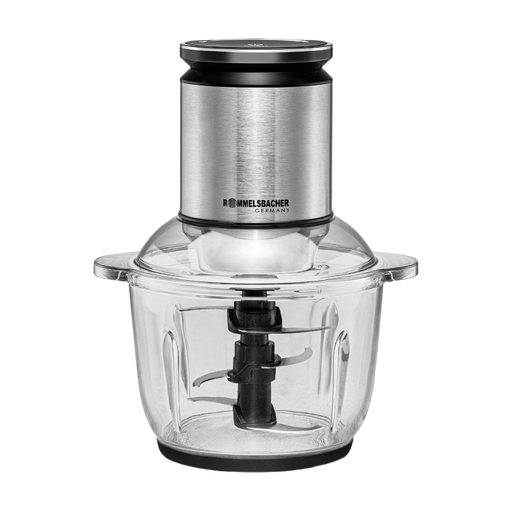
Why it suits this need: The 2-litre glass bowl, 22 speed settings and six-blade knife offer plenty of control for preparing salads, dips, pesto, nuts and meat.
The specifications list both the capacity and the short running time. The safety switch prevents the appliance from starting if the lid isn’t fitted correctly.
600 watts, 2-litre glass bowl, 22 speed settings and removable parts that are dishwasher-safe.
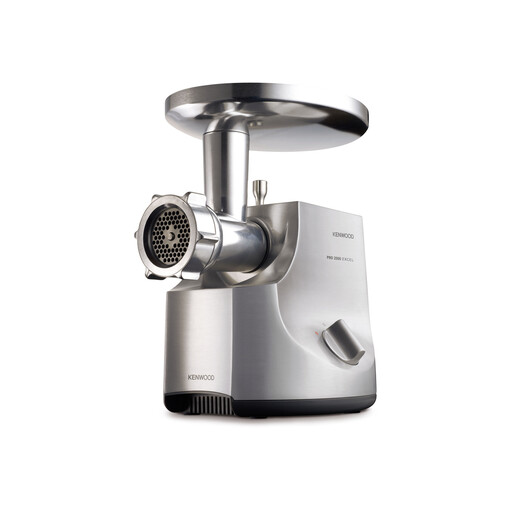
Why it suits this need: This is primarily a meat mincer, with three stainless steel mincing plates and accessories for making sausages and kebbe. Its capacity and design make it a good choice for people who process meat regularly.
The product description makes it clear that this isn’t an all-purpose vegetable chopper: its focus is mincing. The instructions limit continuous use to 10 minutes, followed by a cooling break.
2000 watts, three mincing plates for fine, medium and coarse results, metal housing, and sausage and kebbe accessories.
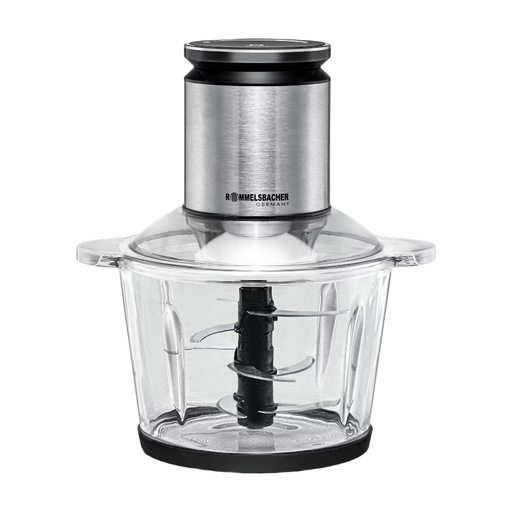
Why it suits this need: The 2.7-litre bowl gives you room to prepare larger portions of vegetables, fruit, nuts, dips and other dishes for several people.
The 2.7-litre capacity is separate from the stated 800-watt power rating. This lets you assess each specification on its own rather than judging the appliance on wattage alone.
800 watts, 2.7-litre glass bowl, 22 speed settings, nine-blade stainless steel knife and, according to the product description, low vibration levels.
We’ve put together a complete, up-to-date list of products that meet these strict selection criteria and the applicable European safety requirements.
It depends on the type of appliance. A standard food processor or vegetable chopper can chop meat finely, but it isn’t the same as a meat mincer. For mince and sausages, choose a model with mincing plates and suitable accessories, such as the Kenwood MG700.
Its lifespan depends on how you use and maintain it, and whether you follow the instructions. Avoid overloading it, don’t fill the bowl beyond the stated limit, and let the motor cool down when instructed. Clean the blades straight after use and store them safely.
An electric food chopper usually runs for only a short time, so the total electricity used per batch is limited. The wattage indicates how much power the appliance uses at most while running. A higher wattage doesn’t automatically mean higher electricity use per meal; running time matters too.
