
Vandaag of morgen in huis

Kwaliteit gegarandeerd

Welkomstaanbiedingen ontgrendelen: GRATIS bezorging | Tot 80% korting | Gratis 30 dagen JoyPlus-proefperiode
Download de app
The electric fat bike has become an indispensable part of the modern streetscape. With its rugged design and wide tyres, it offers a comfortable and stable ride, whether you're commuting through the city or enjoying a leisurely tour. However, their popularity has also led to a dizzying array of options.
This article serves as a practical guide. We'll highlight the key factors to consider and present a curated selection of models with diverse features. This will help you make an informed decision that aligns with your needs and intended use.
Before making a choice, it's essential to consider a few key specifications. These determine how the bike performs and whether it will meet your expectations.
The motor and maximum speed are crucial factors that define the type of bike. Clear regulations apply depending on the classification:
Therefore, think carefully about how you plan to use the bike. For urban traffic, 25 km/h is often sufficient, whereas a speed pedelec can be an excellent choice for longer commutes.
The range indicates how far you can travel on a single full charge. This is influenced by battery capacity (measured in Watt-hours, Wh), your riding style, the terrain, and the level of pedal assist. A larger battery capacity generally translates to a longer range. A removable battery is a practical feature, allowing you to charge it indoors.
A foldable fat bike offers enhanced flexibility. You can easily store it in an apartment, transport it in your car's boot, or combine it with public transport.
Tyre size is another key consideration. A 20-inch fat bike is a common size. These wheels strike a great balance between agility in the city and stability on unpaved trails. The tyre width, often 4 inches, provides the signature cushioning and grip of an electric bike with fat tyres.
Below is a selection of models that stand out for their specific features.
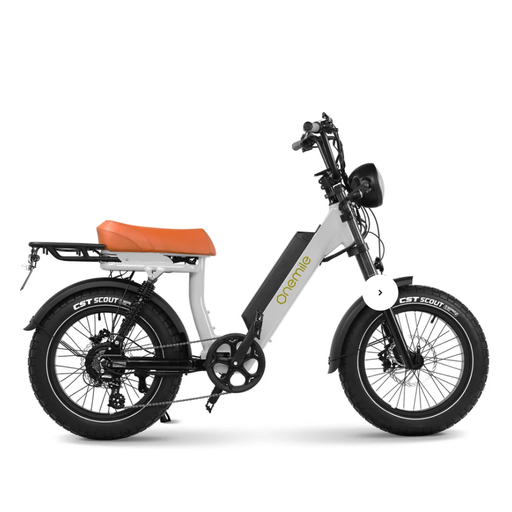
Why this model stands out: This model is a speed pedelec, engineered for performance and speed. With a manufacturer-stated top speed of 45 km/h and a powerful 850W motor, it's a serious contender for the fast commuter. The model is EEC/COC certified, meaning it is road-legal as a speed pedelec after registration.
Key Features:
Who is this bike for? For the rider who covers longer distances and values speed. As a speed pedelec fat bike, you must comply with the associated requirements, such as a helmet and registration.
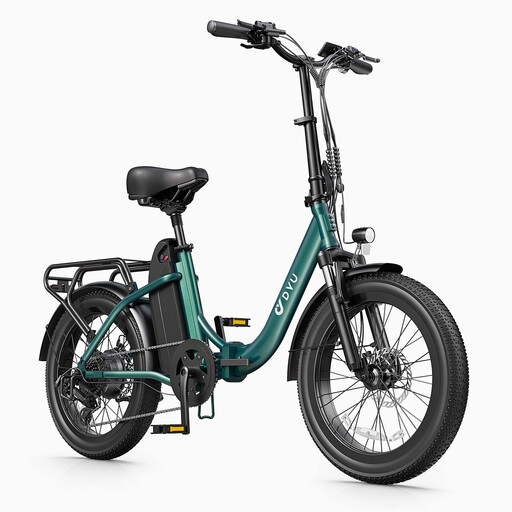
Why this model stands out: The DYU C9 focuses on practical convenience. It's a foldable fat bike, making it ideal for those with limited storage space or for anyone who wants to take their bike in a car or on a train. Its assistance up to 25 km/h makes it accessible without additional legal requirements.
Key Features:
Who is this bike for? Ideal for the urban dweller seeking a practical, compact, and flexible transport solution. Perfect for commutes that involve a mix of cycling and public transport.
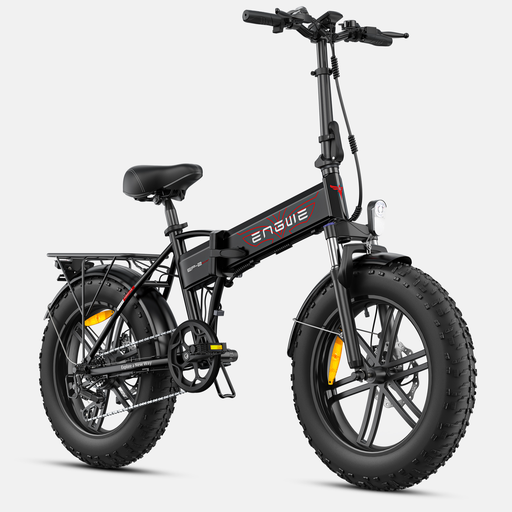
Why this model stands out: The Engwe EP-2 Boost combines a foldable design with a focus on range. According to the manufacturer, the bike can travel up to 120 km on a single charge, making it suitable for long recreational tours. The 20 x 4.0-inch fat tyres ensure stability on various surfaces.
Key Features:
Who is this bike for? For the adventurous rider and the long-distance commuter. If you enjoy long weekend tours and need a reliable bike for daily use, this is a compelling option.
This selection is just a starting point. The market for electric fat bikes is broad and diverse, with models varying in design, specifications, and price. If your ideal bike isn't listed here, or if you simply want to compare more options, explore our full range.
View All Electric Fat Bikes Here
That depends on the maximum speed. For a standard electric fat bike with pedal assistance up to 25 km/h, a helmet is generally not required. For a speed pedelec fat bike that reaches up to 45 km/h, an approved speed pedelec helmet (conforming to NTA 8776 standard) is mandatory.
Fat tyres offer several advantages. They provide superior cushioning, resulting in a very comfortable ride, even on cobblestones or uneven roads. Additionally, they offer excellent grip and stability, not just on pavement but also on sand or forest trails.
No, it is illegal to modify an electric bike limited to 25 km/h to increase its speed. If you do, the bike will no longer be insured, and you risk a significant fine. Furthermore, it will void the manufacturer's warranty. If you want to go faster than 25 km/h, opt for an approved speed pedelec.
