
Vandaag of morgen in huis

Kwaliteit gegarandeerd
Download de app
Categorieën

Choosing an electric fat bike can be a challenge. The specifications can be overwhelming: motor power, battery capacity, brake type, and range. It's difficult to determine which model is right for your daily city commutes or adventurous off-road excursions. This guide will walk you through the key specifications, helping you make an informed decision that perfectly matches your needs.
Before choosing a model, it's helpful to understand the core components of an electric fat bike. These parameters determine its performance, comfort, and suitability for your intended use.
Based on the criteria above, we have selected a range of models that cater to different needs and use cases.
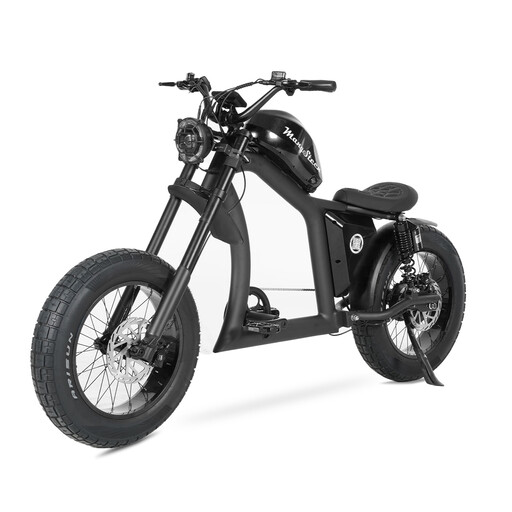
Why this product The Mangosteen FT02 is a versatile fat bike for adults, designed for both daily use and recreational rides. The combination of a powerful motor, a large-capacity battery, and dual suspension makes this model a solid all-rounder.
Advantages
Who is this for? For the commuter seeking a reliable and comfortable e-bike for the daily trip to work, who also enjoys exploring forest trails or beaches on the weekend.
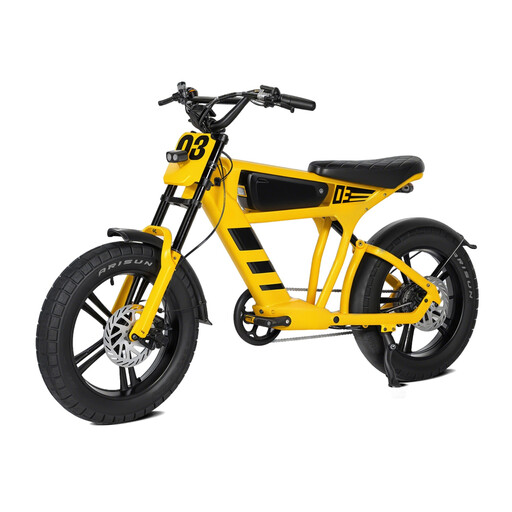
Why this product The Mangosteen e-bike FT03 combines functionality with a striking design. Its key advantage is the removable battery, which simplifies charging in an apartment or at the office.
Advantages
Who is this for? For the urban dweller or commuter who lacks direct access to a charging point where the bike is stored. The removable battery and all-terrain capabilities make it a practical choice for both urban and recreational use.
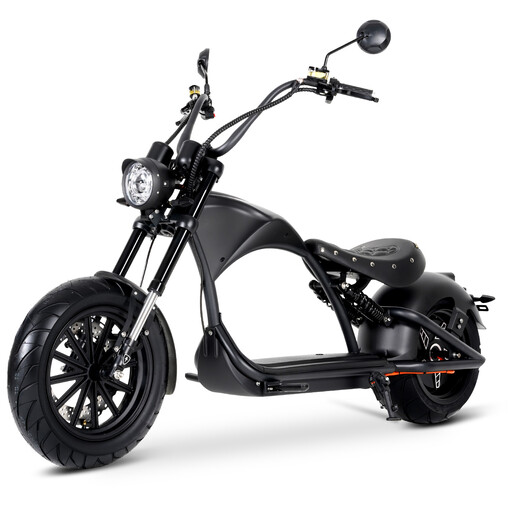
Why this product The Mangosteen M1P goes beyond the standard electric fat bike, positioning itself as an electric motorcycle. With a top speed of 45 km/h and a powerful motor, this model is geared towards performance and longer distances. Note: This model requires license plate registration and an AM-category driver's license.
Advantages
Who is this for? For the user seeking an alternative to a scooter or car for long-distance commuting, who prefers the speed and power of an electric motorcycle over a standard e-bike.
Is a two-wheeler not robust enough for your plans? For those who truly want to push the limits of off-road riding, an electric ATV can be an interesting alternative. These four-wheelers offer even more stability and payload capacity for heavy-duty tasks or for use on private property.
1. What is the difference between a regular e-bike and an electric fat bike? The main difference lies in the tires. A fat tire e-bike has significantly wider tires than a standard e-bike. This provides more stability, cushioning, and grip on loose or uneven surfaces like sand, snow, and forest trails.
2. Do I need a license for an electric fat bike in the Netherlands? For an electric fat bike with pedal assist up to 25 km/h and a maximum motor power of 250W, no license or helmet is required. Models that can go faster, like the Mangosteen M1P with a speed of 45 km/h, are classified as mopeds. For these, an AM-category license, a helmet, insurance, and a license plate are mandatory.
3. How do I maintain my fat bike's tires? Regularly check the tire pressure. Lower pressure provides more grip on soft terrain, while higher pressure rolls better on asphalt. Keep the tires clean and inspect them for sharp objects or damage to prevent punctures.
Written by the Joybuy Product Recommendation Officer