
Vandaag of morgen in huis

Kwaliteit gegarandeerd

Welkomstaanbiedingen ontgrendelen: GRATIS bezorging | Tot 80% korting | Gratis 30 dagen JoyPlus-proefperiode
Download de app
The electric fat bike has become an indispensable part of the Dutch streetscape. With its rugged appearance and wide tires, it combines a tough look with practical convenience. Whether you want to bypass daily traffic jams or explore nature on the weekends, an e-bike with fat tires offers a stable and comfortable ride. But what should you look for when making a purchase? In this article, we'll provide practical tips and highlight some popular choices to help you decide.
Making the right choice starts with understanding the key specifications. Here are three points to consider.
In the Netherlands, an electric fat bike falls under e-bike legislation as long as the motor has a maximum power of 250W and the pedal assist cuts off at 25 km/h. This power is more than sufficient for both flat roads and hilly terrain.
Another crucial aspect is the battery. A fat bike with a removable battery is especially practical. You can easily detach the battery to charge it indoors, which is ideal if you live in an apartment or don't have a power outlet in your shed. The capacity, expressed in Ampere-hours (Ah) and Voltage (V), determines the range. A higher capacity generally means you can ride further on a full charge.
The name says it all: a fat bike has fat tires. This e-bike with fat tires (often 4 inches or wider) provides more contact with the ground. This ensures extra grip and stability, not just on sand or forest trails, but also on wet cobblestones or tram tracks in the city. It makes the bike a true all-terrain e-bike.
Good brakes are essential for your safety. Hydraulic disc brakes offer the most reliable stopping power in all weather conditions and require less hand strength than mechanical disc brakes.
Consider how you'll use the bike. Is it purely as an electric commuter bike? Then a comfortable saddle, good lighting, and the option to mount a luggage rack are important. A sturdy aluminium frame is lightweight and rust-resistant, which contributes to the bike's durability.
Based on specifications and functionality, we have selected a few products that meet the needs of the modern cyclist.

The Mangosteen FT03 is a model designed for versatility. It combines the ruggedness of a fat bike with the specifications needed for both adventurous rides and daily use.
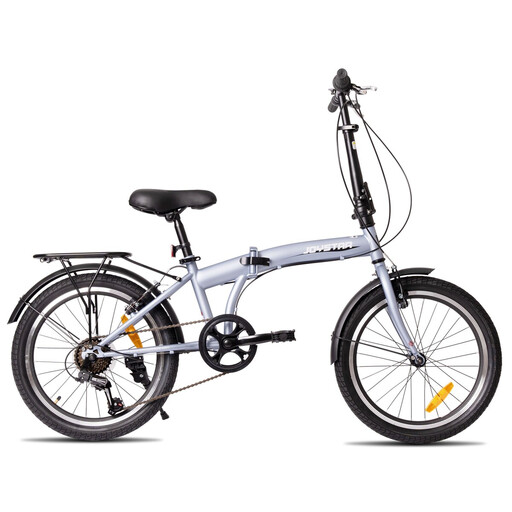
If your priority is compactness and combining cycling with public transport, a folding bike is a smart alternative. The JoyStar Super is not a fat bike, but it is a practical solution for the urban commuter.
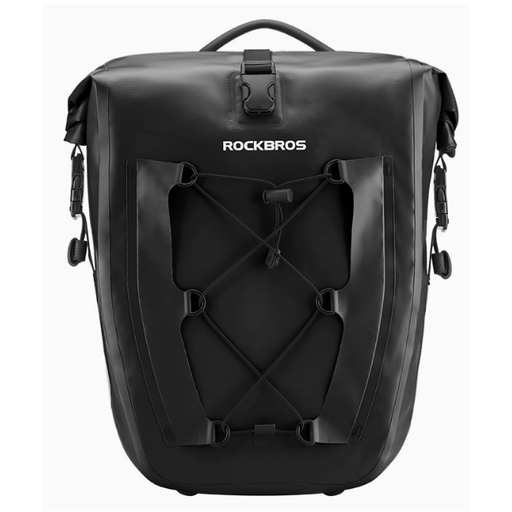
A good electric commuter bike isn't complete without a way to transport your belongings safely and dryly. These waterproof e-bike panniers are a practical addition.
If a fat bike isn't quite what you're looking for, or if you want to compare more options for your daily ride, check out our full collection of commuter bikes for a broader overview of e-bikes and city bikes.
Yes, an electric fat bike is legal as long as it complies with European e-bike regulations. This means a motor with a maximum nominal power of 250W and pedal assist that cuts off at 25 km/h. For these models, you do not need a driver's license, registration, or a helmet.
The range depends on several factors: the battery's capacity (Ah), the rider's weight, tire pressure, the terrain, and the selected assistance level. A model like the Mangosteen FT03 with an 18.2Ah battery can cover a distance of up to 75 km, according to the manufacturer, which is more than enough for most daily rides and tours.
The wide tires do have slightly higher rolling resistance than narrow road bike tires. However, the electric pedal assist completely compensates for this. The motor helps you get up to speed and maintain it effortlessly, making the ride feel very comfortable and light, while you benefit from the extra stability and grip.
