
Vandaag of morgen in huis

Kwaliteit gegarandeerd

Welkomstaanbiedingen ontgrendelen: GRATIS bezorging | Tot 80% korting | Gratis 30 dagen JoyPlus-proefperiode
Download de app
As a Joybuy Product Recommendation Officer, I see the popularity of electric fat bikes growing every day. These robust e-bikes with thick tyres have become an indispensable part of the urban landscape. They offer a unique combination of style, comfort, and versatility. However, when choosing the right model, many people are led astray by clever marketing or unclear specifications. Before you buy an electric fat bike, it's crucial to understand a few common pitfalls.
To avoid a poor purchase, it's wise to focus on a few technical specifications that truly make a difference. This is how you choose an all-terrain electric bike that suits your needs.
The motor is the heart of your e-bike. For use on public roads, you must choose a model with a motor that has a nominal (continuous) power of 250W. This power is more than sufficient for brisk acceleration and conquering bridges or overpasses. Some motors have a higher peak power for short bursts, but the nominal power of a 250w fat bike is the legal standard.
Don't just look at Amp-hours (Ah); focus on the total Watt-hours (Wh) of the battery. This is the "tank capacity" of your bike. You calculate this by multiplying the Voltage (V) by the Amp-hours (Ah). For example, a 48V battery with 13Ah has 624Wh. As a rule of thumb, you can expect to use about 10-15 Wh per kilometre, depending on your riding style and conditions. A higher Wh value means a potentially longer range.
For a comfortable ride, whether for commuting on cobblestone streets or an off-road e-bike adventure, good suspension is essential. A dual-suspension e-bike (front and rear) effectively absorbs shocks and provides more control. Combine this with hydraulic disc brakes. These offer superior, modulatable stopping power in all weather conditions, which is crucial for the heavier fat bike.
Based on these objective criteria, we have selected a number of models that suit different user profiles.
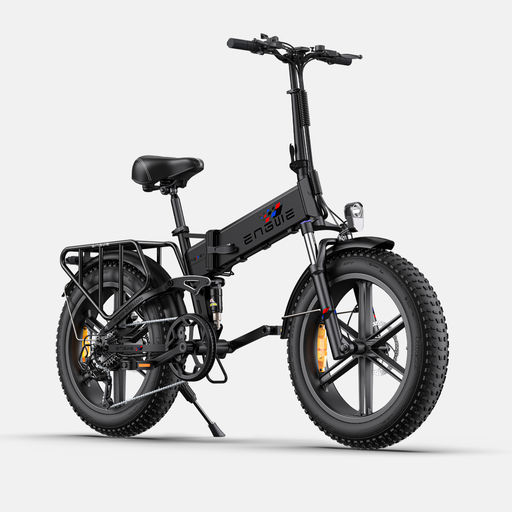
Why This Fits Their Persona: Ideal for those who combine cycling with public transport or need compact storage at the office or home. Its foldable frame makes it extremely practical for daily urban commuting.
This model is equipped with a 250W motor, ensuring you fully comply with local regulations and avoid the risk of fines.
The combination of a foldable design, dual suspension, and an accessible price point makes this a very complete entry-level fat bike.

Why This Fits Their Persona: For the rider who refuses to compromise on comfort and safety. Perfect for those who ride through the city and also enjoy exploring unpaved trails on the weekend.
Directly addresses the pitfall of weak brakes. The hydraulic disc brakes provide the reliable and powerful stopping performance necessary for the heavier weight of a fat bike.
The dual suspension and extra-wide 4.5-inch tyres ensure a very high level of comfort, even on rough terrain. The large 48V 18.2Ah battery offers substantial capacity.
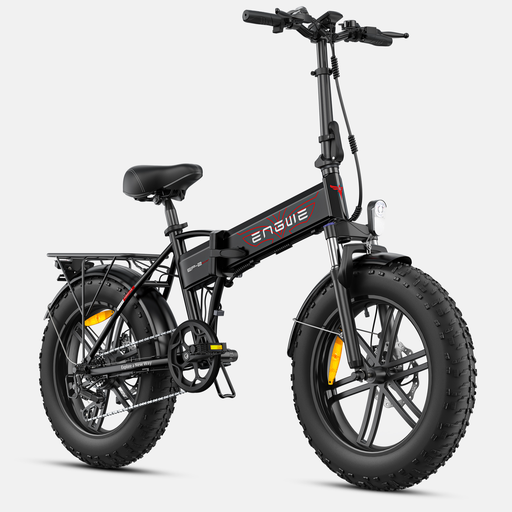
Why This Fits Their Persona: For the cyclist who takes long recreational rides or uses their bike intensively and doesn't want to charge it every day. The focus here is on maximising range.
Tackles the pitfall of 'range anxiety'. While the claimed 120 km is a maximum, the 48V 13Ah battery (624Wh) provides a solid foundation for an above-average, realistic range.
The large battery capacity is the main advantage. Additionally, the bike is foldable, offering extra flexibility for transport or storage.
We have compiled a complete, real-time list of products that fully satisfy these strict selection criteria and UK safety regulations.
Yes, an electric fat bike is completely legal as long as it adheres to the regulations for a standard electric bicycle. This means the motor must have a nominal power of no more than 250W, and the pedal assist must cut out at 25 km/h. If the bike can go faster or has a more powerful motor that works without pedalling, it may be classified as a moped or speed-pedelec, with corresponding obligations (like insurance, helmets, and registration).
The maintenance is comparable to that of a standard e-bike. Key points of focus include keeping the tyres at the correct pressure, regularly checking the brakes (especially with hydraulic systems), and keeping the chain clean and lubricated. Due to the higher weight and the forces on the components, regular inspections are recommended.
Yes, riding a fat bike without pedal assist is noticeably more difficult than riding a regular city bike. This is due to the wide tyres, which have more rolling resistance, and the higher total weight of the bike. A fat bike is truly designed to be ridden with the help of its electric motor. It's manageable for short distances, but for longer rides, the assistance is indispensable.
