
Vandaag of morgen in huis

Kwaliteit gegarandeerd
Download de app
Categorieën

Choosing an electric fat bike can be a challenge. The specifications for motor power, battery capacity, and tire sizes can be overwhelming. The goal is to find a model that suits your needs without paying for features you won't use. This guide provides a factual overview of the key specifications and presents a selection of models to help you make your choice.
An informed choice is based on objective criteria. Below are the key parameters to consider when purchasing an electric fat bike.
In the EU, an electric bike is legally considered a 'pedal-assist bicycle'. This means the motor must have a maximum nominal power of 250 watts and the assistance must cut out at 25 km/h. Models with a throttle are permitted, provided the throttle only works while you are pedalling (launch assist) or up to a speed of 6 km/h without pedalling (walk assist). Always verify that the model you are considering meets these requirements to avoid issues on public roads.
The range is one of the most variable specifications. Manufacturers often state an 'up to' distance, which is measured under ideal conditions. In practice, the range is affected by your weight, the outside temperature, the terrain, and the selected assistance level.
Pay attention to the battery capacity, expressed in Ampere-hours (Ah) or Watt-hours (Wh). A higher value typically means a longer range. A removable battery is practical, as it allows you to charge it indoors without having to bring the entire bike inside.
The thick tires are the defining feature of a fat bike. A common size is 20 x 4.0 inches. These wide tires offer several advantages:
For those living in an apartment or wanting to take their bike in a car, camper, or train, a folding fat bike is a practical solution. An electric folding bike combines the robustness of a fat bike with the convenience of compact storage. When considering folding models, pay attention to the weight and dimensions when folded.
Below is a selection of models, analysed based on their specifications.
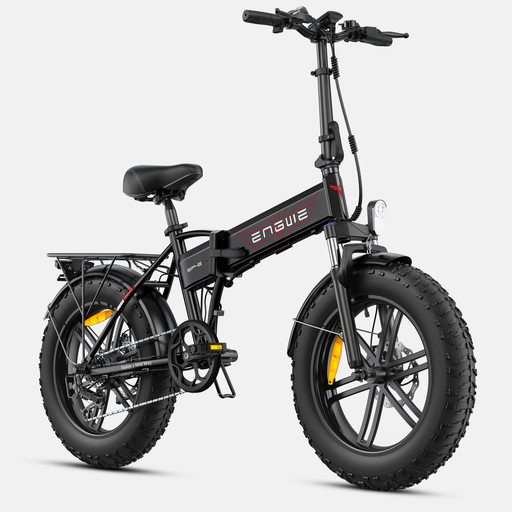
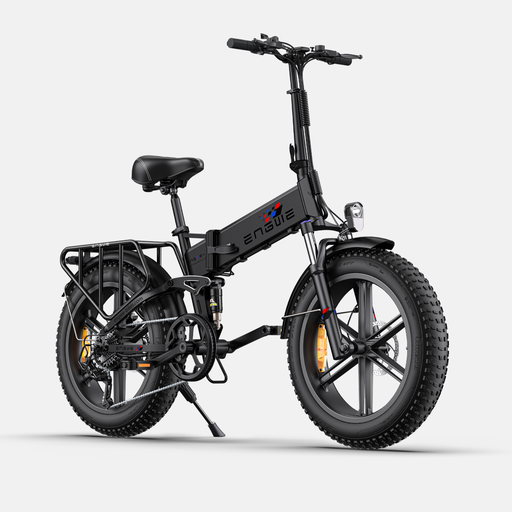
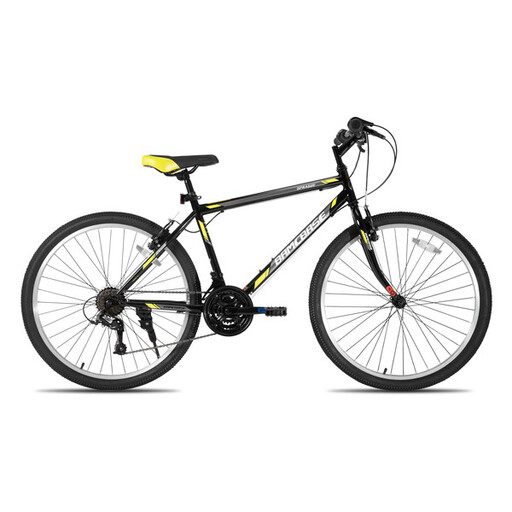
The choice of a bike heavily depends on personal preference. A model like the Bamcbase Sprague, with its 21 speeds, highlights the importance of a good gear system for control over different terrains. Whether you choose an electric bike or a traditional model, the quality of the drivetrain is crucial for the riding experience.
Proper maintenance and the ability to upgrade components can significantly extend the lifespan and enjoyment of your bike. If you are looking for specific components to maintain or improve your current bike, you can browse our selection of bicycle gears and other parts.
1. Is an electric fat bike legal in the EU? Yes, an electric fat bike is legal as long as it complies with the European EN15194 standard for electric bicycles. This includes: a motor power of maximum 250W, pedal assistance that cuts out at 25 km/h, and no autonomous throttle that works above 6 km/h.
2. What is the realistic range of an electric fat bike? The range varies greatly, typically between 40 and 100 kilometres. This depends on the battery capacity, the rider's weight, weather conditions, terrain, and the assistance level used. The maximum range stated by manufacturers is usually based on ideal conditions.
3. Can a folding fat bike be taken on the train? Yes, a folding fat bike can usually be taken on a train free of charge when folded, as it is then considered carry-on luggage. However, it is always wise to check the most current terms and conditions of the specific carrier before you travel.