
Vandaag of morgen in huis

Kwaliteit gegarandeerd

Welkomstaanbiedingen ontgrendelen: GRATIS bezorging | Tot 80% korting | Gratis 30 dagen JoyPlus-proefperiode
Download de app
Picking out a new electric cooktop seems simple, until you get tangled in marketing jargon, technical specifications, and the sheer number of different types. Whether you're renovating your kitchen, replacing your old gas stove, or looking for a solution for a small studio, the options are overwhelming. Unfortunately, this often leads to buyer's remorse. Many people pay for features they never use or discover after purchase that their new cooktop isn't even compatible with their home's electrical system.
As a Joybuy Product Recommendation Officer, I see where things go wrong every day. To help you make an informed decision, we've outlined the most common pitfalls and explain what you really need to pay attention to.
The 3 pitfalls of buying an electric cooktop:
To avoid a bad purchase, it's crucial to make two fundamental choices based on your situation.
The technology behind the glass plate determines how you cook, how fast it heats up, and how much energy it consumes.
The right size and installation type are critical for a seamless integration into your kitchen.
Based on these criteria, we have selected a few popular choices that fit different user profiles.
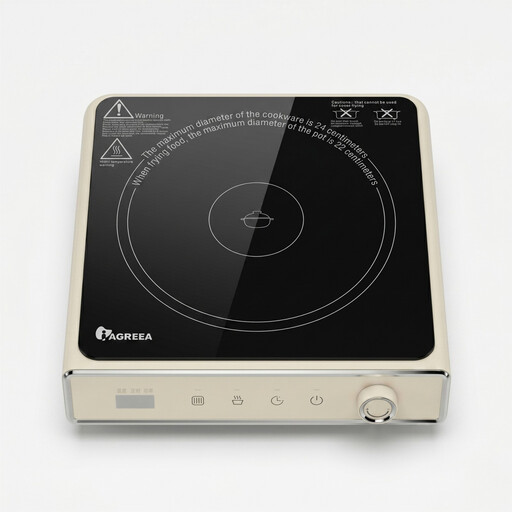
Why This Fits Their Persona: This portable cooktop is perfect for those who need flexibility and convenience. At 1.5 kg, it's easy to move and store. Ideal for a dorm room, camper, or when you temporarily need an extra burner.
It bypasses the pitfall of complex installation. Its 2000W power rating is suitable for a standard single-phase outlet. Plus, it works with all types of pans, so you don't need to buy a new cookware set.
The large rotary knob control is intuitive, and the glass plate is easy to clean. The built-in timer and overheat protection ensure safe operation.
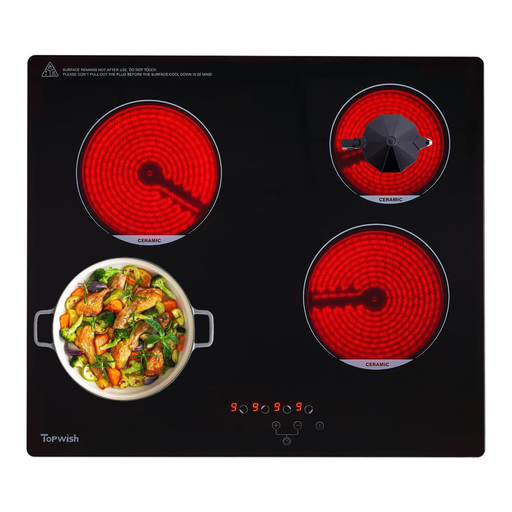
Why This Fits Their Persona: A solid choice for anyone looking for a reliable built-in cooktop without paying top dollar. With a standard width of 59 cm and 4 burners, it fits most kitchens as a replacement for an older model.
This model is transparent about its connection requirements: the 6600W power rating requires hardwired installation by an electrician. It focuses on essential features like a timer and child lock, avoiding expensive, unused 'smart' extras.
It offers flexibility with dual cooking zones suitable for different pan sizes. The touch controls and scratch-resistant glass plate make it practical for daily use and maintenance.
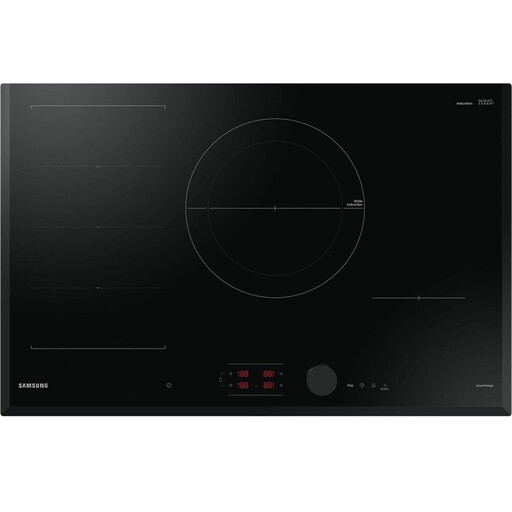
Why This Fits Their Persona: For those who take cooking seriously, this induction cooktop offers speed, precision, and flexibility. The wide Flex Zone Plus is ideal for large roasting pans or multiple small pots at once. The 80 cm width provides noticeably more workspace.
Here, the smart features via the SmartThings app are not a gimmick but offer real added value for those who plan meals or want to monitor cooking status remotely. It's a deliberate choice for advanced functionality.
The detachable magnetic knob offers the precision of a dial and the easy cleaning of a smooth surface. Auto Connectivity with a compatible Samsung hood ensures a seamless cooking experience.
We have compiled a complete, up-to-date list of products that fully meet these strict selection criteria and local safety regulations.
An induction cooktop is significantly more energy-efficient. Because the pan is heated directly, very little energy is lost to the surrounding environment. A ceramic cooktop must first heat the glass plate, which takes more time and energy. According to various sources, such as the Dutch Environmental Centre (Milieu Centraal), the difference in efficiency can be substantial, resulting in lower power consumption for induction.
Yes, in most cases, this is strongly recommended and often mandatory. A 4-burner cooktop with a power rating above 3,680 watts requires a special 2- or 3-phase Perilex connection in the electrical panel. This is not a standard outlet, and the installation must be performed by a certified electrician to ensure safety. Only a portable cooktop with a low power rating can be plugged into a normal outlet by yourself.
The lifespan depends on the brand, quality, and how intensively it's used. Generally, you can expect a lifespan of 10 to 15 years. Regular and proper maintenance, such as cleaning the glass plate immediately after cooking and using pans with a clean, flat bottom, can significantly extend its life.
