
Vandaag of morgen in huis

Kwaliteit gegarandeerd

Welkomstaanbiedingen ontgrendelen: GRATIS bezorging | Tot 80% korting | Gratis 30 dagen JoyPlus-proefperiode
Download de app
An electric cooking pot can make it easier to prepare rice, soup, ramen, stews and hotpot meals. However, not every pot is suitable for everyday use. A compact pot for one person works differently from a multifunctional electric cooking pot for a family. Terms such as “quick cooking”, “non-stick” and “lots of functions” only tell you so much unless the technical details back them up.
This buying guide helps you compare capacity, power, controls, cleaning and safety.
A 5- or 6-litre pot is not always designed to be filled to the brim. When pressure cooking, cooking rice or preparing ingredients that expand, follow the maximum fill line. A family-sized cooking pot needs more than just a generous capacity: clear markings inside the pot are important too.
For one or two people, a mini electric cooking pot with a capacity of 1 to 2 litres is often more practical. A larger pot takes up more space and may use more energy than necessary when you’re preparing small portions.
A multicooker with rice, soup, steam and slow-cook programmes sounds versatile. But check whether the controls are clear, the cooking time is adjustable and the parts are easy to remove. A programme you don’t understand or rarely use adds little value.
Also, be aware of the difference between an electric pressure cooker and a standard electric hotpot. A pressure-cooking function uses pressure and requires extra safety steps. An electric hotpot usually lets you adjust the temperature or power directly.
A non-stick cooking pot is easy to clean, but metal utensils and scouring pads can damage the coating. Check the manufacturer’s recommended cleaning method. Some models have removable dishwasher-safe parts; others are best washed by hand.
Claims about lifespan, scratch resistance or cooking results come from the brand’s product information. Treat them as product specifications, not as a guarantee for every use.
Use this guide as a practical starting point:
The stated capacity is usually the nominal capacity. Never fill the pot above the indicated line. With a pressure cooker, follow the product instructions and leave extra room for rice, beans and other ingredients that expand.
Power is measured in watts. A 300 to 600-watt model is often enough for ramen, rice or soup in a small pot. Larger models of around 930 to 1,500 watts generally heat up faster, but may put a greater load on the socket.
Use a suitable socket and, ideally, don’t share it with another high-powered appliance. Also check that the model is suitable for 220–240 volts and has a Dutch or European plug.
An electric pot has its own heating element and is not the same as an induction hob pan. A standalone stainless steel hotpot may be suitable for induction, gas, ceramic and electric hobs. Always check the product description.
Look out for the following:
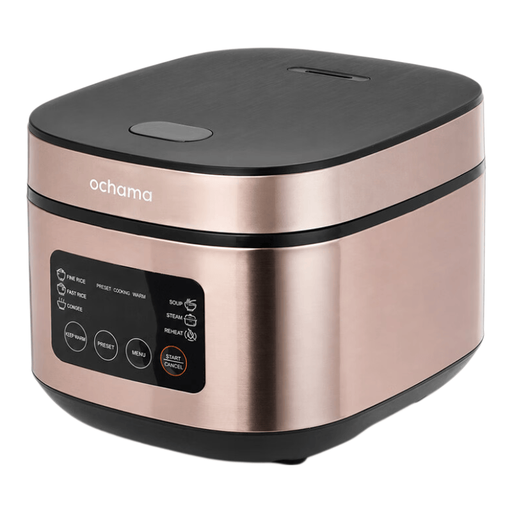
Why it suits this type of user: The 4-litre capacity and six cooking functions make it a straightforward choice if you mainly want to cook rice, porridge and soup without buying several appliances.
The functions, LED display and timer are described in clear terms. You don’t have to rely solely on general claims about versatility.
4 litres, 930 watts, six programmes, a timer and an inner pot with a ceramic coating, according to the product description.
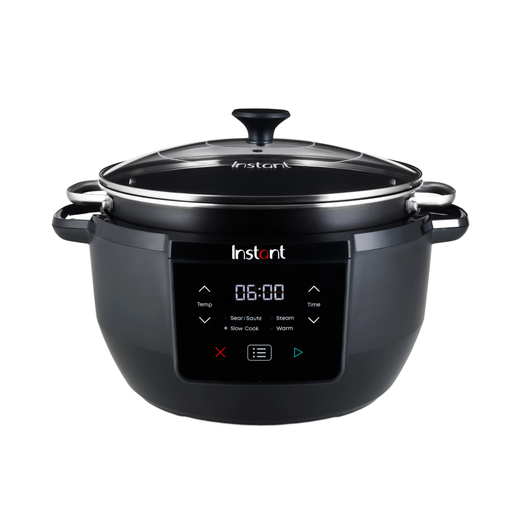
Why it suits this type of user: Ideal for households that cook large portions and want one appliance for braising, steaming, searing and keeping food warm.
Its 7.1-litre capacity and four functions are clearly specified. The inner pot must not be used on an induction hob, hob or in an oven.
7.1 litres, adjustable time and temperature, a steam function, and a dishwasher-safe inner pot and lid, according to the product information.

Why it suits this type of user: Pressure cooking, steaming, braising and slow cooking make this a good fit for families who regularly prepare larger meals.
The capacity, power and safety instructions are listed. When pressure cooking, never force the lid open and always respect the MAX mark.
6 litres, 1000 watts, 14 cooking functions, a stainless steel inner pot and an automatic keep-warm function, according to the product description.
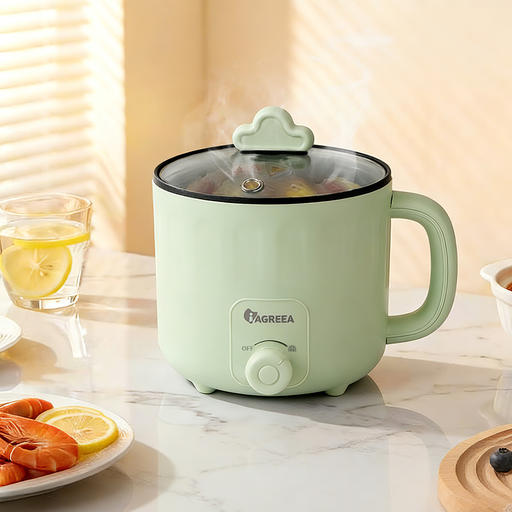
Why it suits this type of user: Its compact capacity is designed for one or two people, making it suitable for ramen, pasta, eggs and soup in a small kitchen or student room.
Its 1.6-litre capacity means you don’t have to buy a large appliance for small portions. Boil-dry protection and automatic shut-off are listed in the product description.
600 watts, four functions, a non-stick coating and a compact design, according to the product information.
We’ve put together a complete, up-to-date list of products that meet these strict selection criteria and the applicable European safety regulations.
For small portions, 300 to 600 watts is often a suitable range. A larger family-sized pot may have a power rating of 900 to 1,500 watts. Don’t just look at the wattage: consider the capacity, functions and available temperature settings too.
An electric cooking pot usually has its own plug and heating element, so it doesn’t go on an induction hob. A standalone stainless steel hotpot may be suitable for induction. If so, look specifically for “induction compatible” and check the product details.
First, unplug it and let the pot cool down. Only wash parts that the manual says are removable or dishwasher-safe. Never immerse the electrical base, plug or connector in water. If the pot has a non-stick coating, use a soft sponge and wooden or silicone utensils.
