
Vandaag of morgen in huis

Kwaliteit gegarandeerd

Welkomstaanbiedingen ontgrendelen: GRATIS bezorging | Tot 80% korting | Gratis 30 dagen JoyPlus-proefperiode
Download de app
An electric coffee grinder makes it easy to enjoy freshly ground coffee, but not every model is suited to every brewing method. If you only look at wattage, discounts or the number of grind settings, you could quickly make the wrong choice. An espresso grinder has different requirements from a compact machine for filter coffee or French press.
In this guide, the Joybuy Product Recommendation Officer focuses on verifiable specifications, practical use and common shopping pitfalls.
Higher power does not automatically mean a more consistent grind. With an electric coffee grinder, the type of grinding mechanism, its settings and the build quality are more important. A blade grinder works differently from a burr grinder and may produce a less consistent mix of fine and coarse particles.
A coffee grinder with adjustable grind settings is useful, but “31 settings” or “48 settings” doesn’t tell you how much difference there is between each one. So check what the model is designed for: espresso, pour-over, French press or several brewing methods.
Coffee grounds can remain in the grinding mechanism and affect the flavour of your next batch. A sealed motor unit usually shouldn’t be rinsed with water. The safety information for several of the models mentioned advises unplugging the grinder before cleaning and using a dry brush on removable parts.
Usage time also matters with compact blade grinders. For example, the Butler Coffee Grinder advises against continuous use for more than 30 seconds, after which the motor should be allowed to cool. This makes this type of grinder best suited to short, small batches.
A blade grinder chops the beans with rotating blades. The De'Longhi KG210, for example, uses stainless steel blades, has a power rating of 170 W and a 90 g capacity. The Bosch TSM6A014R also uses a stainless steel blade and has a capacity of 75 g.
A coffee grinder with conical burrs grinds the beans between two surfaces. Product information for models such as the HiBREW G3, HiBREW G5 and STARSEEKER EDGE+ mentions conical or larger burrs and multiple grind settings. These specifications are worth considering if you regularly switch between espresso and filter coffee. Always check the full product details, though: more settings alone don’t guarantee the right results.
Espresso generally requires a fine grind, while a coarser grind is typical for French press. An espresso coffee grinder should therefore offer fine adjustments and, ideally, grind directly into or in a controlled way into a portafilter. A wide range of settings is useful for pour-over and moka pot.
A timer or adjustable grinding time can help you get consistent results. When choosing a coffee grinder with a timer, look beyond whether it has one and check how you set the time. A memory function can be handy if you often use the same dose.
A 70 to 90 g hopper is suitable for several cups, but a large hopper isn’t always preferable. If beans are left in it for a long time, you’ll have less flexibility when switching between coffee varieties. A smaller hopper may be more practical for one or two cups.
If space is limited, check the grinder’s width, height and weight. A portable, rechargeable coffee grinder is suitable for the office, camping or holidays, but check the battery capacity, charging time and cleaning advice. For everyday use on the worktop, a mains-powered model is often the more practical choice.
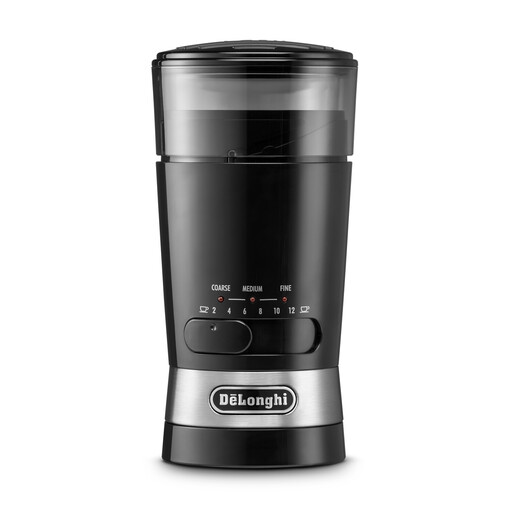
Why it suits this type of user: This compact model has a push-button control and a cup selector for up to 12 cups. Its stated dimensions and 1 kg weight make it a good fit for everyday home use when storage space is limited.
It’s easy to use, and the specifications clearly state the blade type, power rating and hopper capacity. Bear in mind that the grind may be less consistent than with burrs.
170 W power, a 90 g bean hopper and a compact design.
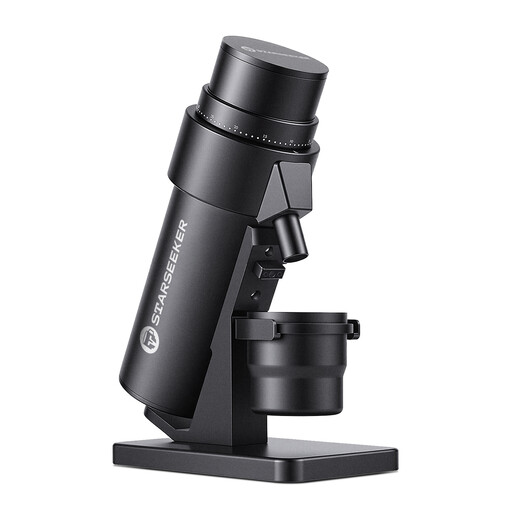
Why it suits this type of user: The product name specifies 63 mm burrs and suitability for espresso and pour-over. That makes it a good match for home baristas who switch between different brewing methods.
The specifications identify the grinding mechanism and give its exact diameter, rather than listing motor power alone. Clean the removable parts in accordance with the safety instructions and keep the motor unit dry.
63 mm burrs; specified for espresso and pour-over; designed for home use.
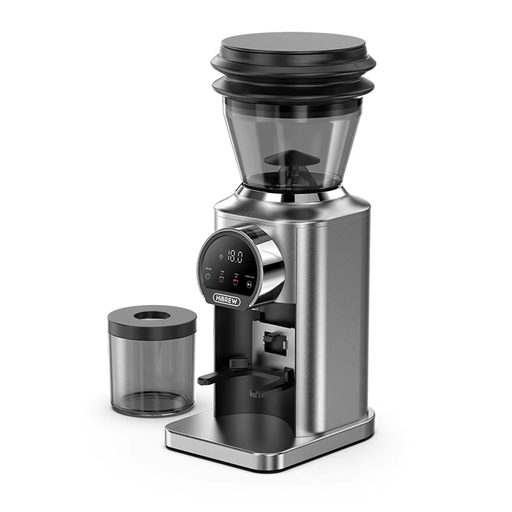
Why it suits this type of user: This model features a touchscreen, adjustable grinding time, 31 grind settings and a portafilter holder. It’s a good fit if you like to adjust your doses and brewing methods regularly.
Adjustable grinding time and 31 settings give you more control than a basic push-button grinder. Before buying, check that the available settings suit your espresso and filter coffee recipes.
31 grind settings, a touchscreen and a portafilter holder, as stated in the product name.
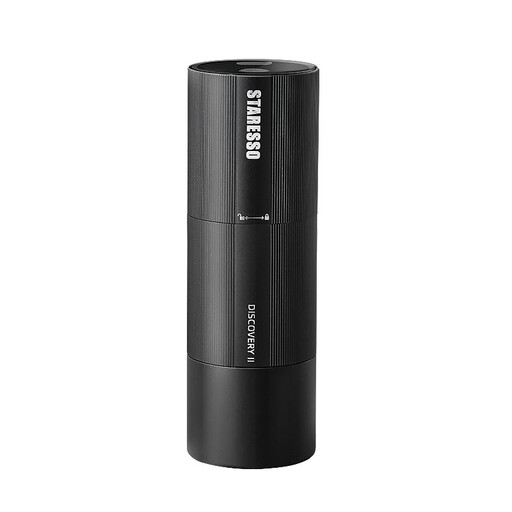
Why it suits this type of user: This portable coffee grinder has a metal housing, stainless steel burrs, one-button operation and a rechargeable 1000 mAh battery.
The product information specifically mentions Type-C charging, dimensions of approximately 150 × 52 mm and cleaning with a dry brush. This gives you a clearer idea of its portability and upkeep before you buy.
1000mAh battery, Type-C connection and suitable for espresso, moka pot, pour-over and French press.
We’ve put together a complete, up-to-date list of products that meet these strict selection criteria and the applicable European safety regulations.
A good grinder is just one part of your coffee set-up. A 54 mm dosing funnel can help you transfer ground coffee neatly into a compatible portafilter. According to the product information, the MHW-3BOMBER funnel uses ten magnets and is designed for standard 54 mm portafilters. Always check the diameter of your espresso machine.
For milk-based drinks, you could add a 350 ml milk jug or an electric milk frother. These accessories don’t affect the grind, but they can make your cappuccino and latte-making routine more organised.
Its lifespan depends on the grinding mechanism, how often you use it, how well you clean it and whether you avoid overloading it. Let the motor cool when instructed in the manual, and only grind dry coffee beans. Blades and burrs can wear down over time, so check whether replacement parts are available.
Choose a model whose product information specifies espresso and which supports a fine grind. A coffee grinder with conical burrs and multiple settings will generally offer more room for adjustment than a basic blade grinder. A portafilter holder or timer can also make dosing more convenient.
Most grinding sessions are short, so the total energy used per cup is limited. Check the stated power rating, but consider it alongside how often and for how long you’ll use the grinder. With a cordless model, battery capacity and charging time are the main things to look at.
