
Vandaag of morgen in huis

Kwaliteit gegarandeerd

Welkomstaanbiedingen ontgrendelen: GRATIS bezorging | Tot 80% korting | Gratis 30 dagen JoyPlus-proefperiode
Download de app
Fresh coffee starts with freshly ground beans. However, an electric coffee grinder won’t automatically suit every brewing method. A blade grinder can be handy for quick use, while a burr grinder gives you more control over the grind. Noise levels, cleaning and the available grind settings also affect how enjoyable your purchase will be in the long run.
A higher wattage doesn’t necessarily mean a coffee grinder will produce a more even grind. The result also depends on the type of grinding mechanism, its construction and how the motor is controlled. A powerful motor can also generate more heat. If you grind repeatedly, the maximum operating time and protection against overheating are especially important.
A blade grinder chops beans rather than grinding them evenly between two grinding surfaces. This can produce a mixture of fine and coarse particles. A model like this may be fine for simple filter coffee, but a more consistent grind is usually more practical for espresso or pour-over.
When choosing a burr grinder, check the material, diameter and adjustment options. Stainless steel and titanium-coated burrs are available in various models. Treat claims about flavour, crema or aroma as statements made by the brand, and focus on checking the specific product details.
No coffee grinder is completely silent. However, a metal housing, motor insulation and a lower speed can make it more pleasant to use. Check whether you can reach the burrs with a brush and whether any parts must not be cleaned with water. Residual coffee oils and grounds can affect how the grinder works.
A coffee grinder with grind settings should suit your brewing method:
More settings aren’t always necessary. A model with 14 clearly defined settings may be enough for everyday filter coffee. If you regularly switch between espresso and French press, you’ll benefit more from 30 or more settings.
Conical burrs generally take up less space and are often found in compact electric coffee grinders. Flat burrs may appeal to people looking for a fixed model with a larger capacity. As well as the type of burrs, check the bean hopper. A capacity of 50 to 90 grams is enough for a few cups; a hopper of around 250 grams is more convenient for households or offices, but it can expose more beans to the air.
A timer, memory function or adjustable grinding time makes dosing easier. A portafilter holder is useful if you’re grinding directly for espresso. Check that it’s compatible with your portafilter.
A model with a low noise level can be appealing for an office, flat or early morning use. For a portable coffee grinder, weight, battery capacity and charging type matter more. A USB-C connection is useful for travelling, but always check the recommended charging method.
Only use the grinder for dry coffee beans, and unplug it or disconnect the charging cable before cleaning. Manufacturers often recommend letting the motor cool between multiple grinding sessions. Follow the instructions, especially when using espresso settings, which put more strain on the motor.
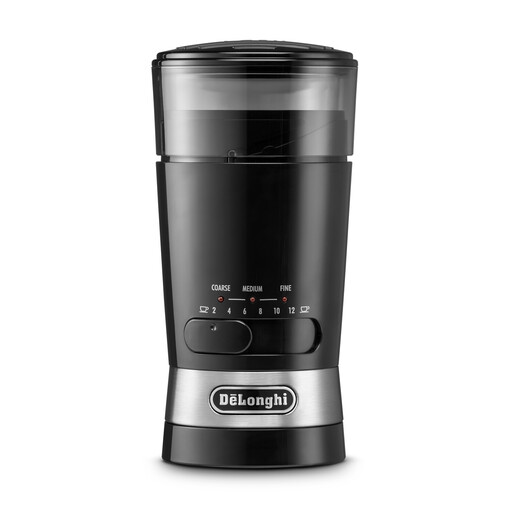
Why it suits this profile: This compact model has push-button controls, a 90-gram hopper and three grind settings. It’s a good choice if you want to grind fresh beans without dealing with lots of settings.
The specifications are easy to understand: three settings, a clear start button and a stated capacity. Don’t expect extensive espresso adjustment options.
170 W power, compact design and stainless steel blades, according to the product information.
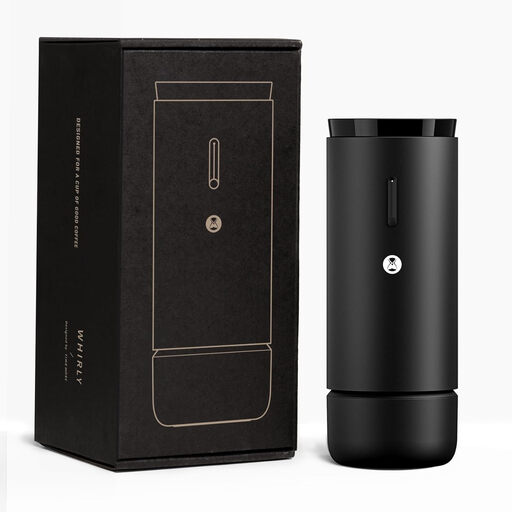
Why it suits this profile: This cordless metal grinder is designed for home, office and outdoor use. With 30 settings, switching between espresso and French press is straightforward.
The product states a maximum capacity of 50 grams, a recommended espresso dose of 30 grams and a limit on consecutive grinding sessions. This makes the operating limits clear.
30 settings, rechargeable battery, automatic stop and protection against blockages and overheating, according to the product description.
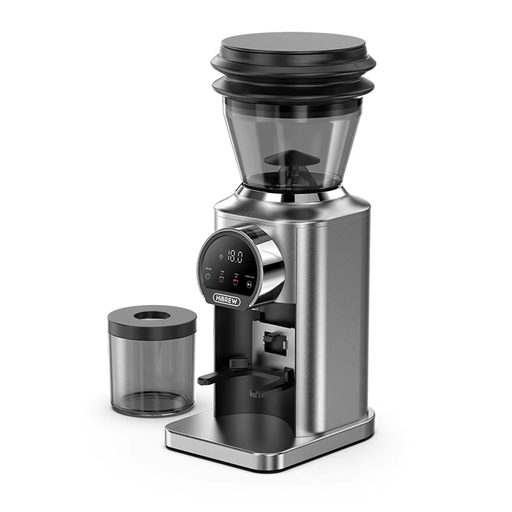
Why it suits this profile: Touchscreen controls, adjustable grinding time and 31 grind settings make this a good fit for home baristas who regularly use different beans and brewing methods.
The choice is based on specific features: 31 settings, a titanium-coated stainless steel burr set and a portafilter holder. Check beforehand that the dimensions are compatible with your portafilter.
Touchscreen, adjustable grinding time, 31 grind settings and an anti-static system, according to the product specifications.
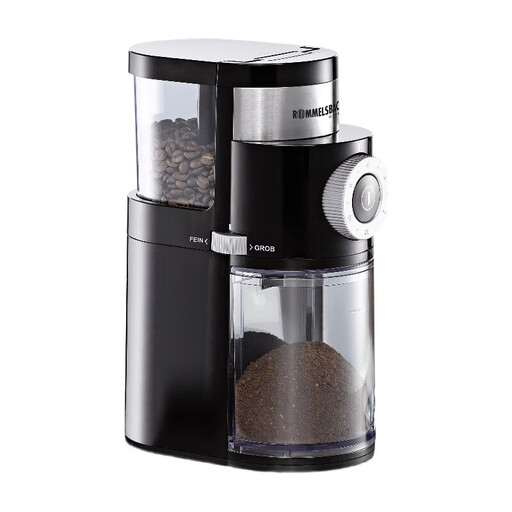
Why it suits this profile: With a bean hopper of around 250 grams and settings for 2 to 12 cups, this model is designed for larger quantities of filter coffee or French press.
The capacity and intended use are clearly stated. The model doesn’t switch off automatically, so bear this in mind if you’ll be using it every day.
Flat steel burrs, adjustable grind size, 250-gram capacity and a cleaning brush included.
We’ve put together a complete, up-to-date list of products that meet these strict selection criteria and the applicable European safety regulations.
Yes, but not every model. Espresso calls for a fine grind and small, repeatable adjustments. Ideally, choose a model with burrs and several fine settings. Also check whether a portafilter holder or grounds container will fit your espresso machine.
Its lifespan depends on how you use it, how well you maintain it and the materials it’s made from. Only grind dry coffee beans, avoid overloading the grinder and clean the burrs regularly with a dry brush. Let the motor cool down if the instructions recommend it. For consumer purchases in the European Union, a minimum two-year legal guarantee may apply; check the terms for the specific product and seller.
A coffee grinder usually runs for just a few seconds per dose, so overall electricity use per cup is generally low. Don’t look at wattage alone; also consider grinding time, how many cups you make each day and whether the appliance stops automatically. With cordless models, you’ll also need to factor in battery charging.
