What should you look for when choosing?
Compact electric mop
Suitable for: regular upkeep of a smooth, water-resistant tiled floor.
Consider: a swivel head makes steering easier, but check that it fits between your furniture; some dried-on stains can be difficult to remove.
Wet and dry floor cleaner
Suitable for: anyone who regularly wants to tackle both crumbs and wet dirt on a compatible tiled floor.
Consider: check the dimensions and manoeuvrability; tanks, rollers and filters need attention after use. The Consumers’ Association notes this as something to bear in mind for this product category.
Targeted electric scrubber
Suitable for: spot cleaning grout lines, tile edges or small, stubborn marks.
Consider: a handheld brush is no substitute for picking up loose dirt or cleaning the whole floor; choose a brush that suits your tiles and grout.
Compact steam mop
Suitable for: anyone wanting to tackle corners or dried-on stains, provided the care instructions for their floor and grout allow steam.
Consider: a steam mop needs to be plugged in and does not pick up dirty water. The Consumers’ Association describes differences between product types, but this is not a test result for any individual model.
When choosing an electric cleaner for porcelain tiles in a small home, shoppers may have different priorities. The percentages below give a rough indication of the proportion of consumers who consider each point their main priority when choosing.
| What to consider |
What to check before buying |
Who is this important to? |
| Manoeuvrability in narrow doorways |
Measure your narrowest clear doorway and compare it with the cleaning head width and the overall dimensions of the exact model. |
If I want to steer around furniture and door frames, the head needs to fit through my narrowest doorway. Around 36% of consumers put manoeuvrability first. |
| Loose and wet dirt |
Check whether the model picks up loose dirt and separates clean and dirty water; also make sure it is suitable for your tiled floor. |
If crumbs or spills are common, I want to know whether one appliance can handle both types of dirt. Around 29% of consumers give dirt pick-up top priority. |
| Grout and dried-on stains |
Check whether the dirt is on the tiles or in the grout, and follow the care instructions for brush use or steam. |
For localised dirt, I want to be able to clean a specific area without assuming that a floor cleaner will also clean the grout. Around 21% of consumers put grout or stains first. |
| Maintenance and replacement parts |
Look at the cleaning steps and check which pads, rollers or filters fit the full model number. |
If I want to do as little as possible after cleaning, the tank, roller and consumable parts will influence my choice. Around 14% of consumers give maintenance and parts the most weight. |
Products at Joybuy
The products below cover steam cleaning, wet and dry floor cleaning, and targeted scrubbing of hard floors.
 No image available
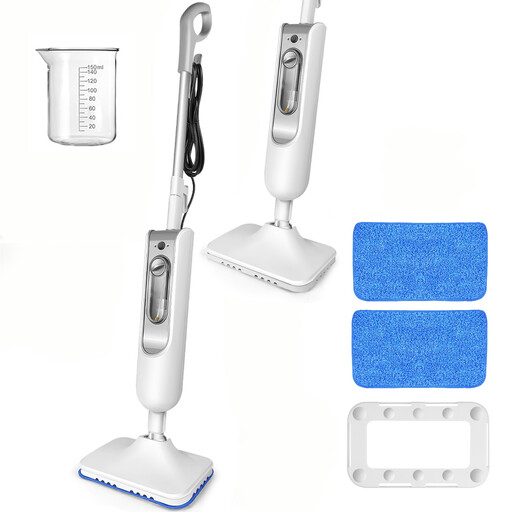
Steam mop with 400 ml tank
Could suit anyone looking to clean hard floors and manoeuvre around furniture or into tight corners; first check that your tiled floor and grout can be cleaned with steam.
The product name lists a 400 ml tank, a 4.8-metre cord and two washable cleaning pads. The usage description mentions sealed hard floors, including tiles.
Joybuy
 No image available
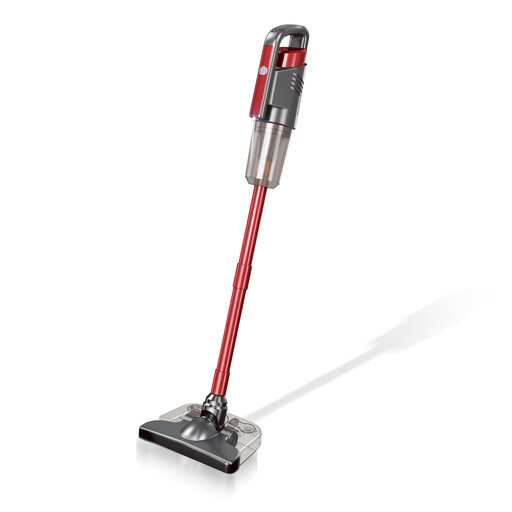
S10 3-in-1 cordless electric mop
The product name describes a mop with a spray function and handheld vacuum cleaner, suitable for surfaces including tiled floors.
The name mentions cordless operation and a handheld vacuum cleaner; check the product specifications for the features and conditions of use for this version.
Joybuy
 No image available
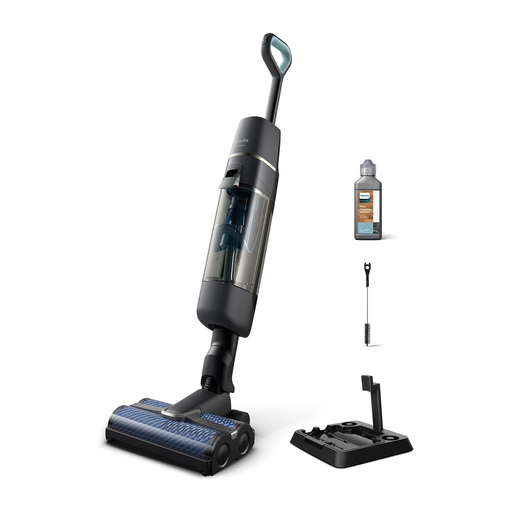
Philips XW7110/01 AquaTrio
The product name describes this model as a cordless vacuum mop for different floor types.
The description says the tanks need to be emptied and rinsed after use, and that the brushes and filters need regular maintenance.
Joybuy
 No image available
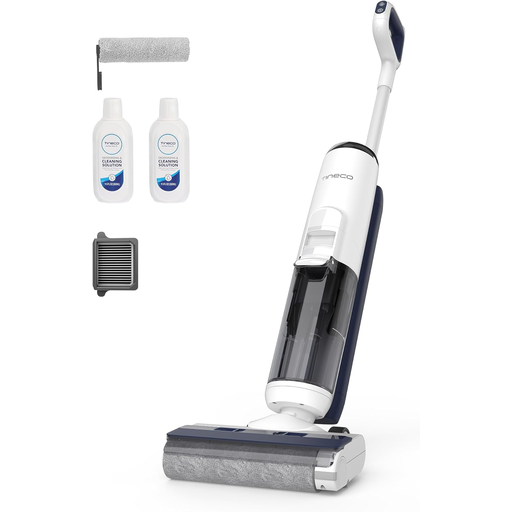
Tineco iFLOOR 5 Breeze Complete
The product information lists hard floors, including ceramic tiles, and one-step wet and dry cleaning.
The product name lists edge cleaning to within less than 0.5 cm. The usage information warns that performance may be reduced on rough surfaces.
Joybuy
 No image available
HAUSHOF electric cleaning brush
The product name lists tiles as one of its uses; a brush is best suited to targeted cleaning tasks.
The name lists three speeds and seven brush heads. Switch off the appliance before changing a brush head, and do not immerse the main unit.
Joybuy
Frequently asked questions
Can I use any electric cleaning appliance on my porcelain tiled floor?
No. Check the care instructions for your tile finish and grout, as well as the list of suitable floor types for the exact appliance. Philips lists untextured tiles as suitable for the OneUp; that does not automatically mean that every textured tiled floor is suitable. Follow the instructions for testing the appliance in an inconspicuous area.
Should I sweep or vacuum loose dirt first?
For conventional mopping, tile manufacturer Daltile recommends sweeping or vacuuming loose dirt first. A wet and dry floor cleaner that the manufacturer says can pick up loose dirt may offer a different approach; check what the exact model can handle.
What maintenance does a wet and dry floor cleaner need after use?
Empty and clean the parts according to the model’s instructions. The Consumers’ Association notes that the dirty-water tank, roller and filter on wet and dry floor cleaners need regular attention; a self-cleaning function does not automatically take care of all maintenance.
What should I check about the warranty and replacement parts?
Before buying, check whether compatible pads, rollers and filters are available for the full model number. According to the Dutch government, there is no fixed statutory warranty period in the Netherlands; if a product is faulty, you can contact the seller. Any additional manufacturer’s warranty is separate.
What rules apply to electrical appliances and disposing of them?
Whether a product needs a CE mark depends on the European product rules that apply to that specific appliance. Under the Dutch old-for-new scheme, when you buy a new, similar household appliance, you can hand in the old one free of charge, including when buying online.


