
Cook with limited storage space
Makes small amounts of lemonade and wants to put the juicer away easily after use. Philips lists a 0.5-litre jug and cord storage for the HR2738/00; also check that its dimensions will fit in your cupboard.


Choose a compact citrus juicer with a jug if you usually make small amounts and want to put it away after use. A larger jug is more convenient for juice for several glasses, while a lever press offers a different way to squeeze. Then compare the dimensions, juice collection method, pulp setting and cleaning instructions for the exact model. Wattage alone won’t tell you how much juice you’ll get from lemons.
Makes small amounts of lemonade and wants to put the juicer away easily after use. Philips lists a 0.5-litre jug and cord storage for the HR2738/00; also check that its dimensions will fit in your cupboard.
Juices several lemons in a row and wants to collect the juice and choose how much pulp it contains. Princess lists a 1-litre jug and adjustable pulp filter for the 201004; Braun specifies adjustable pulp control for the MPZ9.
Wants to use a lever press and collect the juice straight into a glass. Princess describes this method for the 201848; bear in mind the height of the appliance and the space needed for the glass.
Start by considering how you want to collect and dispense the juice. Then check that the appliance suits your worktop, storage space and cleaning routine.
| What to consider | What should you check? | Who is this important for? |
|---|---|---|
| Worktop and storage space | Compare the width, depth and height with the space available. Also check for cord storage and the clearance needed above any lever press. | If you have a small worktop or limited cupboard space, you’ll want to be able to put the juicer away easily after use. Space is the top priority for around 26% of consumers. |
| Cleaning | Check the manual for the exact model to see which removable parts are dishwasher-safe. | If you want to tidy up quickly after juicing, check which cones, filters and collection parts are washable. Easy cleaning is the main concern for around 21% of consumers. |
| Pulp and juicing cone | Check whether the model has an adjustable filter and which cones are included; don’t assume every model in a brand’s range comes with the same accessories. | If you want to control the amount of pulp or juice different citrus fruits, the right settings and cones can help. These options are the most important consideration for around 21% of consumers. |
| Juice for several glasses | Compare the stated jug capacity and check whether the appliance comes with a collection jug; capacity doesn’t guarantee a particular juice yield. | If you’re making lemonade for several glasses, you’ll want to collect the juice without having to pour it into another container each time. Collecting juice for several glasses is a top priority for around 16% of consumers. |
| How it works | Check whether the model has a lever press, how tall it is and whether a glass will fit under the spout. | If you’d rather not press directly on the fruit, consider how the juicer is operated and how much space it needs. The way it works is the main consideration for around 16% of consumers. |
The stated wattage of individual models isn’t a comparative measure of how much juice they extract from lemons.
First, choose based on the pressing method, juice collection, suitable cone and cleaning. Don’t use wattage as the only guide to expected yield.
Not every citrus juicer comes with a collection jug. Princess lists the 201848 with a direct-pour spout and no juice collection container, while the 201004 has a built-in jug.
Decide whether you want to collect the juice in a jug or squeeze it straight into a glass. If there’s a spout, check that your glass will fit underneath.
A title alone won’t tell you whether the version on offer matches the model you’re looking for.
Before buying, compare the full model number, product category and specifications on the product page with the manufacturer’s information.
According to Philips, the Daily HR2738/00 is a more compact model with a 0.5-litre jug and cord storage.
Princess describes the 201004 as having a 1-litre juice jug, and the 201848 as having a lever press and direct-pour spout.
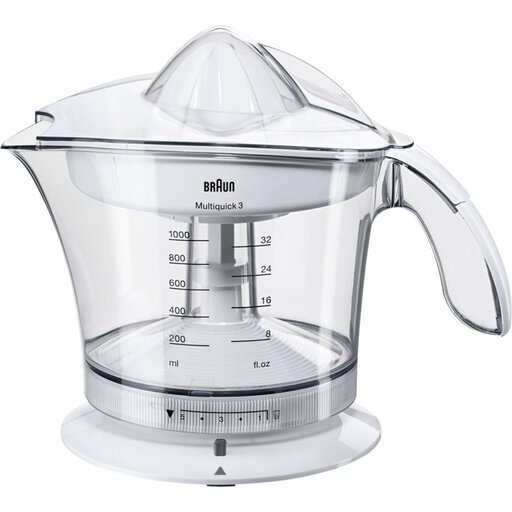
Braun lists adjustable pulp control for the MPZ9 and describes the CJ3050BK as a separate model that pours juice straight into a glass.
This selection includes electric citrus juicers with different juice collection and pulp options. Compare the stated capacity, dimensions and cleaning instructions with the way you plan to use yours.
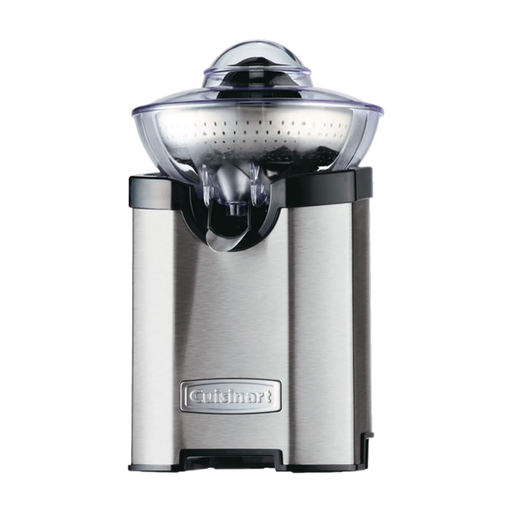 No image available
A 1-litre juice container is useful if you want to collect enough juice for several glasses.
The product information lists dishwasher-safe removable parts and dimensions of 17 × 17 × 29 cm. Check exactly which parts can go in the dishwasher.
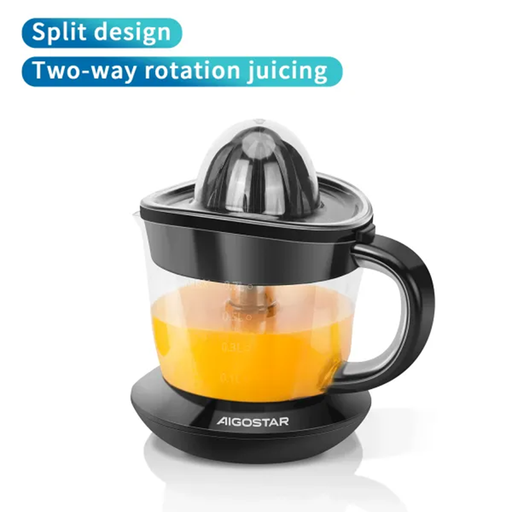 No image available
A 0.7-litre jug and adjustable filter are useful if you want to collect juice and control the amount of pulp.
The product information lists two juicing cones and dimensions of 220 × 149 × 213 mm. According to this information, the appliance is designed for domestic use and citrus fruits.
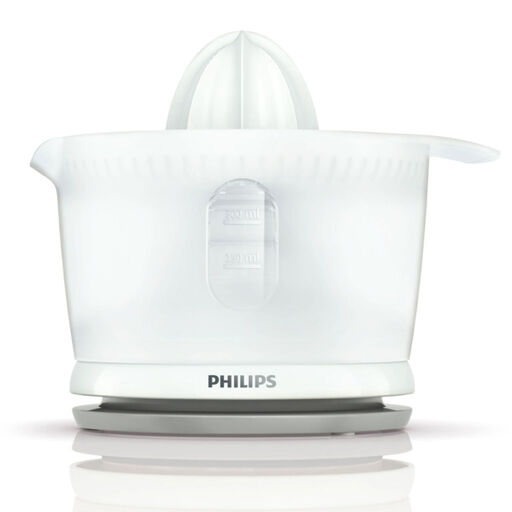 No image available
The 500 ml jug and cord storage suit anyone who makes smaller amounts and wants to put the juicer away after use.
The stated dimensions are 14,5 × 19,7 × 16,4 cm. According to the instructions, the appliance can be used continuously for a maximum of 10 minutes, after which it must be allowed to cool down.
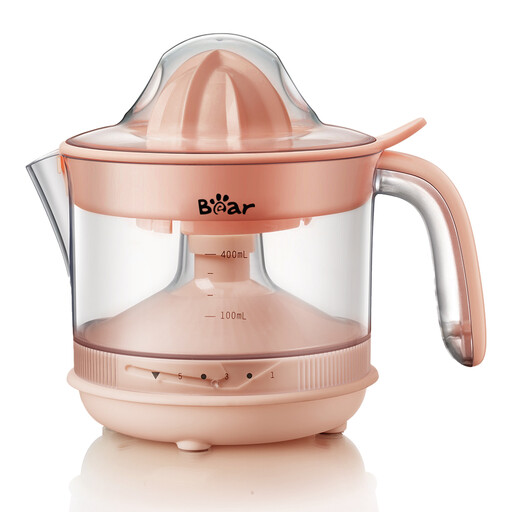 No image available
The five adjustable pulp settings are useful if you want to control how much pulp your juice contains.
The product name specifies a 110 mm opening and says it can process lemons and oranges.
 No image available
The product information lists a 1-litre jug and adjustable pulp strainer, for collecting juice and choosing how much pulp it contains.
The stated dimensions are 26 × 22 × 18 cm. Check the manual to see which parts are dishwasher-safe.
A built-in juice jug collects the juice before you mix it. Princess lists a 1-litre jug for the 201004; on the 201848, the juice comes straight from the spout and there’s no collection container, according to Princess. Place a suitable jug underneath if you’re making lemonade for several glasses.
No, don’t assume they can. Braun refers users to the MPZ9 manual to check which parts are dishwasher-safe. Check the cleaning instructions for the full model number and keep the electrical base out of the dishwasher.
Don’t use an appliance with visible damage until you’re sure it’s safe. The Netherlands Food and Consumer Product Safety Authority notes that unsafe electrical equipment can pose risks including fire or electric shock. According to the Dutch Government, the seller must offer a solution if a product is faulty. The Netherlands does not have a fixed statutory two-year guarantee period that applies to every product.
For online purchases, you generally have a statutory cooling-off period of up to 14 days after delivery, according to ACM ConsuWijzer. There are exceptions to this general right, so check which terms apply to your purchase.
The Netherlands Food and Consumer Product Safety Authority sets out safety requirements for electrical equipment. The Low Voltage Directive applies to electrical equipment within the specified range of 50 to 1.000 V AC. Before use, check the model details, instructions and visible condition of the appliance. A product title or wattage alone doesn’t prove that an individual item meets all applicable requirements.