
A family that mainly juices limes
You want a halved lime to sit securely on the juicing cone, so you’re looking for a model whose manufacturer says it’s suitable for small limes. Tristar describes this feature for the CP-3007.


Start with a juicing cone that the manufacturer explicitly says is suitable for small limes. Then choose between a jug for collecting juice and a spout for pouring straight into a glass or onto a dish. A lever arm offers a different way to press the fruit, but be sure to check how the specific model works and how easy it is to clean.
You want a halved lime to sit securely on the juicing cone, so you’re looking for a model whose manufacturer says it’s suitable for small limes. Tristar describes this feature for the CP-3007.
You’re comparing a collection jug with direct pouring, and considering how easy it is to juice several fruits one after another. Tristar and Princess describe different collection and operating options for their models.
You want to clean the juicing cone, sieve and collection part easily after breakfast. Philips says the removable parts of the HR2738/00 are dishwasher-safe; the motor unit needs to be cleaned differently.
First decide whether a good fit for limes is your top priority. Then compare collection, operation and cleaning to find what works for your breakfast routine.
The percentages are estimates of the main purchasing concerns for consumers considering an electric citrus juicer for this purpose.
| Buying concern | What to look for | Who is this important to? |
|---|---|---|
| Juicing cone for limes | Look for an explicit mention of a small cone or suitability for limes; a large cone won’t necessarily be suitable. | If limes are the fruit you mainly juice at breakfast, you’ll want a cone that fits smaller fruit. Around 36% of consumers prioritise a good fit for limes. |
| Juicing several fruits | Compare how the juicer works and collects juice: a lever arm, collection jug and direct-pour spout all work differently. | If you’re juicing several fruits in a row for the family, it’s important to choose a design and collection method that suit your routine. Around 29% of consumers prioritise juicing repeatedly. |
| Cleaning after use | Check which removable parts are dishwasher-safe for each model and how to clean the motor unit. | If you want to spend less time washing up after breakfast, check the cleaning instructions for each part. Around 21% of consumers put ease of cleaning first. |
| Collecting and pouring juice | Check whether the model pours directly, has a drip-stop feature or collects juice in a jug. | A direct-pour spout can be handy for adding a splash of juice to a glass or dish, while for several servings you might prefer to collect the juice first. Around 14% of consumers prioritise portioning. |
A power rating doesn’t tell you whether the juicing cone is suitable for small limes.
First check whether the manufacturer mentions a small cone or suitability for limes; only then compare other features.
A jug collects the juice; a direct-pour spout lets it flow into a glass or another container.
Before buying, consider whether you want to collect juice for the family or pour it into individual glasses or dishes.
Philips says the motor unit of the citrus juicers mentioned is not suitable for cleaning in a dishwasher.
Follow the instructions for each part; Philips recommends cleaning the motor unit with a damp cloth.
The Dutch product page for the Tristar CP-3006KW lists a type G plug. So the language of a page doesn’t automatically tell you which plug is fitted to a particular version.
Check the plug type for the exact model, and don’t confuse the CP-3006KW with other Tristar models.
According to Tristar, the CP-3007 and CP-3005 offer different ways to juice and collect citrus fruit.
According to Princess, the 201853 is a citrus juicer with a lever arm and a cone for large and small citrus fruits.
The Daily Collection HR2738/00 is a jug-style juicer with features worth comparing if you want to collect the juice.
According to Braun, the CitrusQuick 3 CJ3050WH pours directly and starts when you press the fruit down.
These Joybuy products offer different ways to juice citrus fruit, collect the juice and clean the parts after use. For the exact version, also check the instructions and relevant safety information. The Dutch government’s Ondernemersplein explains that manufacturers of electrical appliances which meet the applicable requirements apply a CE marking and draw up an EU declaration of conformity.
 No image available
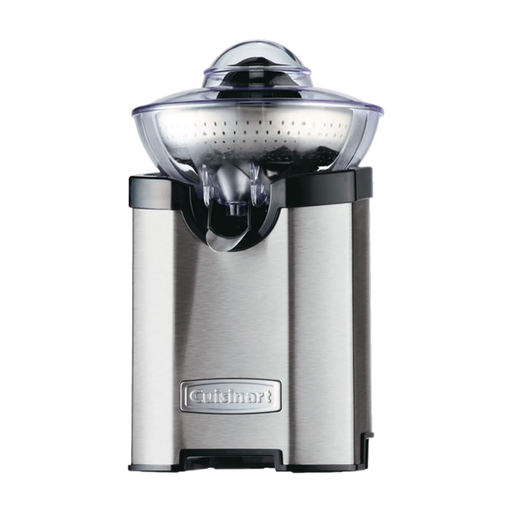
An option if you want to pour lime juice straight into a glass: the product description mentions limes and a spout with a drip stop.
The title lists 100 W; the product description says the removable parts are dishwasher-safe.
 No image available
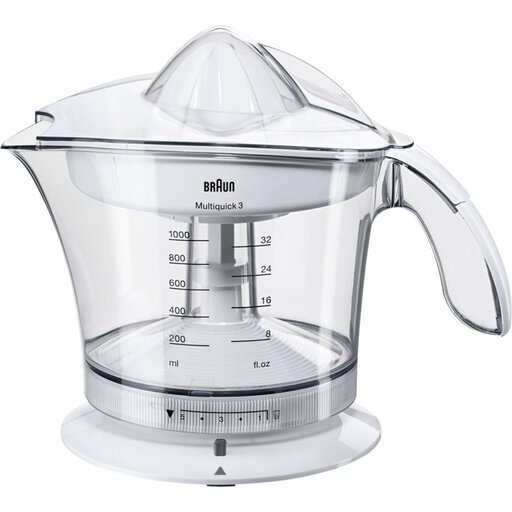
A jug-style juicer to compare if you’re juicing limes and want to collect enough juice for several servings.
The product description lists a 1-litre jug, start-stop operation, two directions of rotation and dishwasher-safe parts.
 No image available
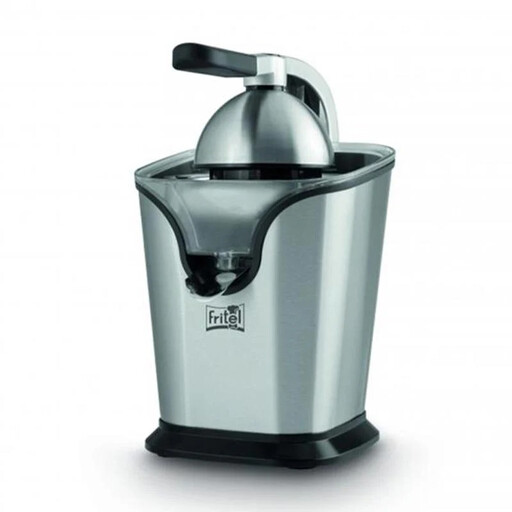
An option to compare if you’re juicing small limes and would prefer to press the fruit using a lever arm.
The product description lists a smaller cone for limes, two interchangeable cones, a spout with a drip stop and dishwasher-safe removable parts. The title lists 100 W.
 No image available
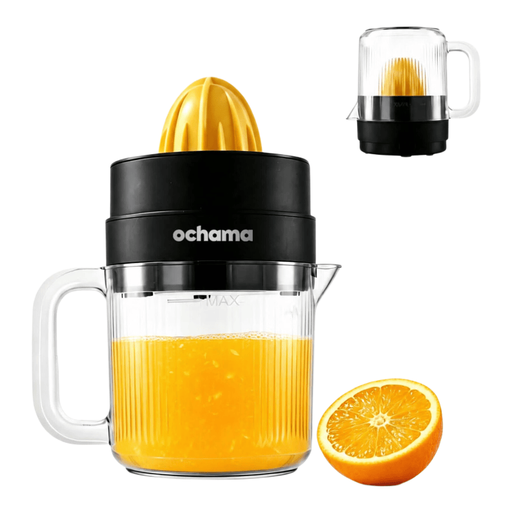
An option to compare if you want to collect juice in a larger jug; check whether the juicing cone fits small limes.
The title lists a capacity of 1,4 litres and 30 W. The product description mentions removable parts and pulp separation.
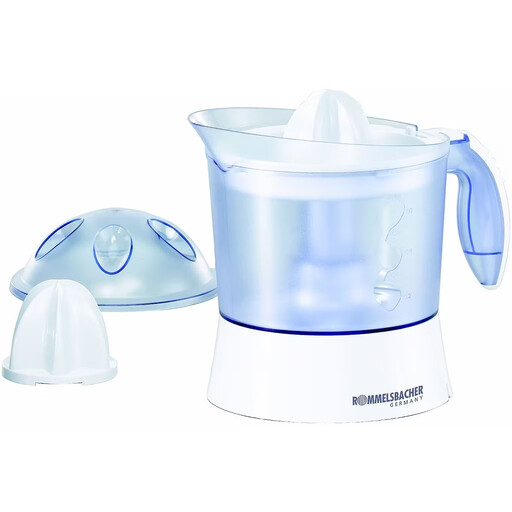 No image available
A jug-style juicer to compare if you want to collect the juice rather than pour it straight from the juicer.
The product description lists an integrated 1-litre reservoir and explains that you juice by pressing halved citrus fruit onto the cone. Check that the cone is suitable for small limes.
You can’t tell from the name ‘orange juicer’ alone. Check whether the manufacturer mentions a small juicing cone or suitability for limes; Tristar says the CP-3007 has a small juicing cone for limes.
It depends on the model and the part. Philips says the removable parts of models including the HR2738/00 are dishwasher-safe, but recommends cleaning the motor unit with a damp cloth.
According to ACM ConsuWijzer, the seller is responsible if a product doesn’t meet what you could reasonably expect from it. The right solution depends on the circumstances; a manufacturer’s guarantee doesn’t replace your statutory rights.
Electrical appliances placed on the market in the Netherlands must meet the applicable European requirements. The Dutch government’s Ondernemersplein explains that after assessing compliance with these requirements, manufacturers apply a CE marking and draw up an EU declaration of conformity. Check the information for the exact version.
According to Wecycle, when you buy a new, similar appliance, the shop must offer you the option to hand in the old one free of charge.