
People who juice limes often
You’ll want small lime halves to sit securely on the juicing cone. Cloer specifies small limes for the 6815, while Princess lists two cones for different fruit sizes.


If you often juice small limes, look for a juicing cone that’s specifically described as suitable for smaller fruit. Cloer mentions small limes for the 6815, while Princess lists two cones for different fruit sizes. In a shared kitchen, removable parts that are easy to clean and the juice spout also matter. Check the safety and food-contact information for the exact model, too: product specifications are not the same as a comparative hands-on test.
You’ll want small lime halves to sit securely on the juicing cone. Cloer specifies small limes for the 6815, while Princess lists two cones for different fruit sizes.
You’ll want parts that are easy to take apart and clean after use. A dishwasher-safe claim applies only to the parts specified by the manufacturer for that model.
You’ll want to minimise loose collecting parts and drips on the shared worktop. Check the spout on each model and make sure your glass fits underneath.
Start by checking how well the juicer handles small limes, then compare how easy it is to clean after use and where the juice goes.
This table is for people considering an electric citrus juicer for a shared office kitchen; each row covers one main buying priority.
| What to consider | What should you check? | Who is this for? |
|---|---|---|
| Suitability for small limes | Look for an explicit mention of small limes, or check whether the cone is suitable for the fruit you use. | If I often juice limes, I want to know whether the cone fits smaller fruit. Around 34% of this group put suitability first. |
| Cleaning between users | Check which removable parts are dishwasher-safe and how to clean the motor unit. | If several colleagues use the juicer, I want to know which parts need cleaning after each use. Around 33% of this group prioritise cleaning. |
| Drips and juice flow | Check whether it has a drip-stop feature and whether the spout and glass clearance suit your set-up. | If the juicer is on a shared worktop, I want to minimise juice spills. Around 20% of people prioritise avoiding spills and managing juice flow. |
| Controls and available space | Compare the dimensions, cord length and controls of the exact model. If quiet operation matters, ask for a substantiated noise rating. | If space is limited or several colleagues use the juicer, I’ll consider how it works and how much room it takes up. Around 13% of this group have that priority. |
The NVWA sets out requirements for electrical products and items that come into contact with food. Check the information for the specific model before buying; a general product description does not confirm that an individual item meets all applicable requirements.
A general description such as ‘citrus juicer’ doesn’t automatically tell you whether it will fit smaller fruit. Manufacturers describe the juicing cones differently for each model.
Compare the cone on the exact model with the limes you usually use, or look for an explicit mention of small limes.
The claim may apply only to removable parts. Philips says the motor unit must be kept out of the dishwasher on the models listed.
Check which parts are dishwasher-safe for each model and how to clean the motor unit. If you share the juicer, agree on who will clean the removable parts.
Parts that aren’t dishwasher-safe need extra hand-cleaning after use.
The Dutch government states that there is no fixed statutory warranty period in the Netherlands. What you can expect from a product depends in part on the product and the circumstances.
Compare the terms of an extended warranty with your existing legal rights before deciding whether the extra cover is worthwhile.
For the 6815, Cloer mentions small limes and lists two juicing cones, a drip stop and removable dishwasher-safe parts.
For model 201858, Princess lists two juicing cones, a pressing lever, direct juice flow and removable dishwasher-safe parts.
For the CitrusQuick 3 CJ3050BK, Braun lists fruit-press activation and an anti-drip system.
For the Daily Collection HR2738/00, Philips lists a 0.5-litre juice container.
For the CCJ210E, Cuisinart lists a folding drip-stop spout and removable dishwasher-safe parts.
These electric citrus juicers are options to compare for a shared kitchen. For each model, check whether the cone fits small limes, which parts can be cleaned and what safety and food-contact information applies to the specific product.
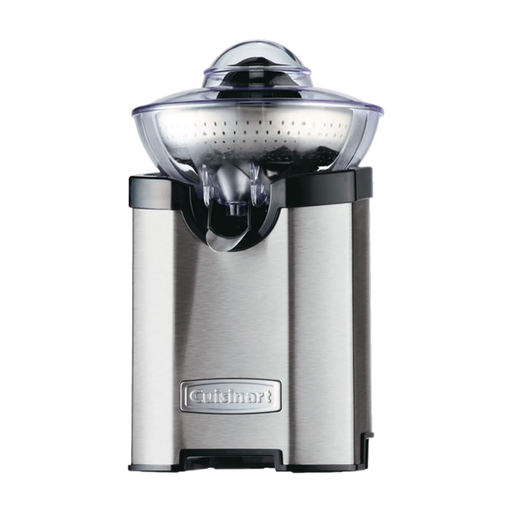 Image unavailable
An option if you value an anti-drip feature and removable dishwasher-safe parts; check separately whether the cone is suitable for small limes.
100 W; extra-wide spout; anti-drip system; dishwasher-safe parts; stainless steel finish.
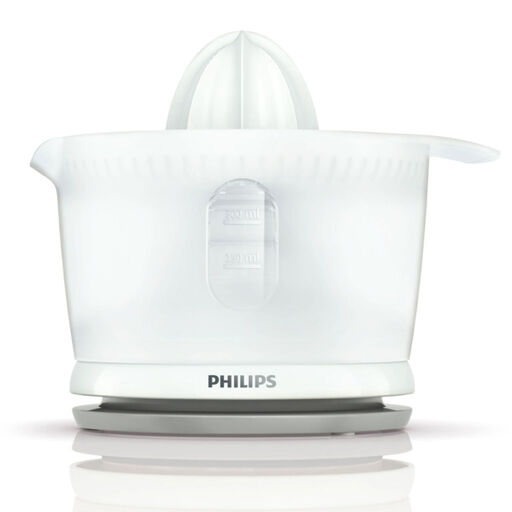 Image unavailable
An option if you want to collect the juice in a container first; check whether the cone fits small limes.
500 ml container; 25 W. Philips says the removable parts, apart from the motor unit, are dishwasher-safe; clean the motor unit with a damp cloth.
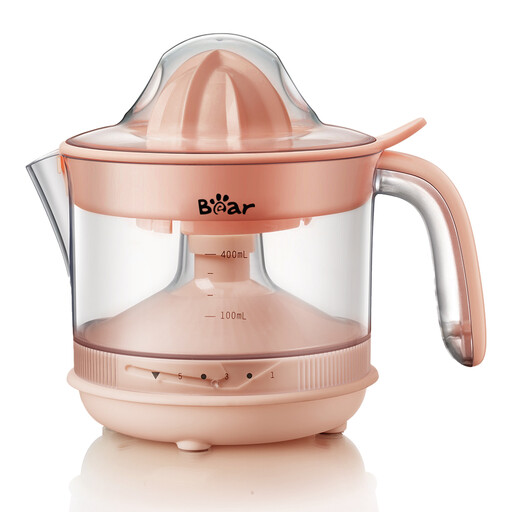 Image unavailable
An option if you want to adjust the amount of pulp; the stated feed opening doesn’t confirm that the cone is suitable for small limes.
Five pulp settings; 110 mm feed opening. Before buying, check which removable parts can be taken off and cleaned.
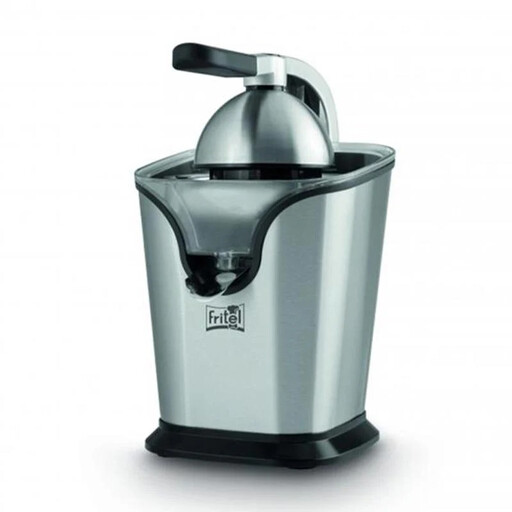 Image unavailable
An option to compare if you’re looking for two cone sizes and an anti-drip feature; check which cone fits small limes.
Two cone sizes; anti-drip feature; 100 W. The product information states that it is for household use only and excludes commercial use; check whether use in your shared office falls within those terms.
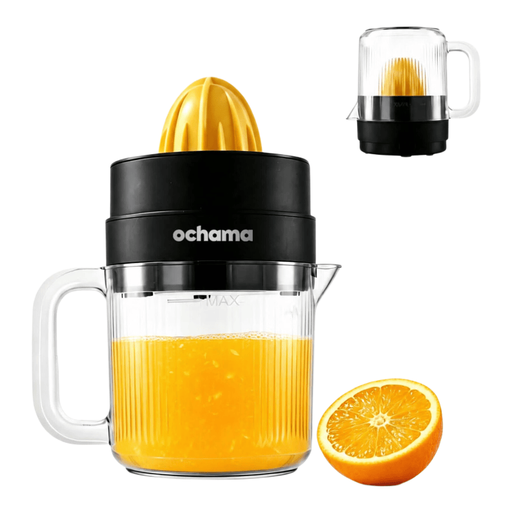 Image unavailable
An option if you want to separate pulp from juice; check separately whether the cone is suitable for small limes.
1.4 l capacity; 30 W; pulp separation.
Only if the instructions for the exact model say they can. For the 6815, Cloer lists the sieve, lid and cone, among other parts; Philips says the motor unit on the models listed must stay out of the dishwasher and be cleaned with a damp cloth.
The NVWA states that applicable rules may require a CE marking for electrical products placed on the market in the Netherlands. Check the information for the specific product; product descriptions alone can’t establish whether an individual item meets all the requirements.
The NVWA sets out Dutch and European requirements for items intended to come into contact with food. Check the product information for the specific model; a dishwasher-safe claim alone doesn’t prove that food-contact requirements have been met.
No. The Dutch government says there is no fixed statutory warranty period in the Netherlands. What you can reasonably expect from a product depends on the product and the circumstances. If there’s a problem, contact the seller.
For qualifying distance sales from a business, the Dutch government says you will generally have a 14-day cooling-off period. There are exceptions, including online purchases from a private individual.