
Vandaag of morgen in huis

Kwaliteit gegarandeerd

Welkomstaanbiedingen ontgrendelen: GRATIS bezorging | Tot 80% korting | Gratis 30 dagen JoyPlus-proefperiode
Download de app
An electric citrus juicer can make juicing oranges, lemons, limes and grapefruits easier. However, models vary significantly in terms of operation, juice collection, pulp filtering and cleaning. A low price means little if you have to rinse lots of parts after every glass of juice, or if the juicer does not sit securely on the worktop.
When comparing citrus juicers, pay particular attention to three common pitfalls:
An electric orange juicer with a single small reamer is not always suitable for grapefruits. Models with two reamers can be better suited to different fruit sizes. A smaller reamer is generally suitable for lemons and limes, while a larger reamer is intended for oranges and grapefruits.
A lever mechanism can distribute pressure more evenly than a model where you have to press the fruit down firmly yourself. Also check whether the motor starts automatically with light pressure and stops when you release it. This makes a citrus juicer more convenient for everyday use.
If you prefer smooth juice, a lemon juicer with a pulp filter or adjustable strainer is a useful choice. Other users prefer to have some pulp in their glass. In that case, an adjustable filter is more practical than a fixed strainer.
Pay attention to the difference between a citrus juicer and a general-purpose juicer for citrus fruit. A citrus juicer uses a reamer and is designed for citrus fruits. A centrifugal juicer or slow juicer can often process other types of fruit and vegetables too, but is usually larger, more complicated to clean and less focused on quickly making orange juice.
A citrus juicer with an anti-drip system prevents the spout from continuing to drip after you remove the glass. Check how the spout is operated and whether your glass fits underneath it.
Also look for:
A citrus juicer that is easy to clean can save you time, especially if you use it frequently. Rinse the parts after use before the pulp dries. Always follow the instructions regarding dishwasher use and unplug the appliance before dismantling or cleaning it. A visible CE marking is a relevant check, but it does not by itself tell you what juicing performance to expect.
The choices below are based on verifiable product specifications. Claims about juice yield, safety or ease of use taken from a brand description are not presented here as independently proven results.
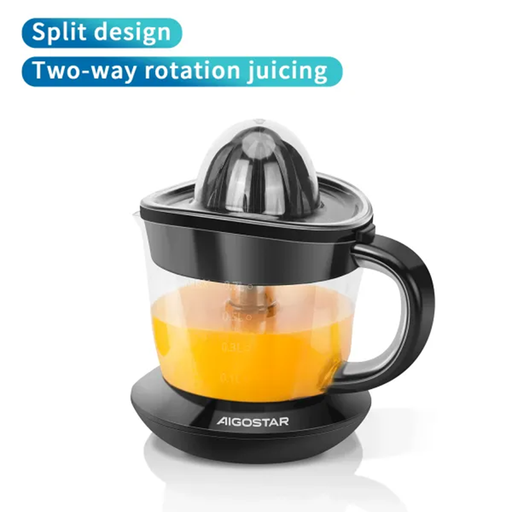
Why it suits this profile: The 700 ml capacity is suitable for a few glasses of juice without taking up the space of a large jug on the worktop. It starts when light pressure is applied, and the two reamers are suitable for different citrus fruits.
The adjustable filter and two-way rotation give you more control than a fixed strainer and a single direction of rotation.
40 W, 700 ml, two reamers, removable design and BPA-free materials according to the product information.
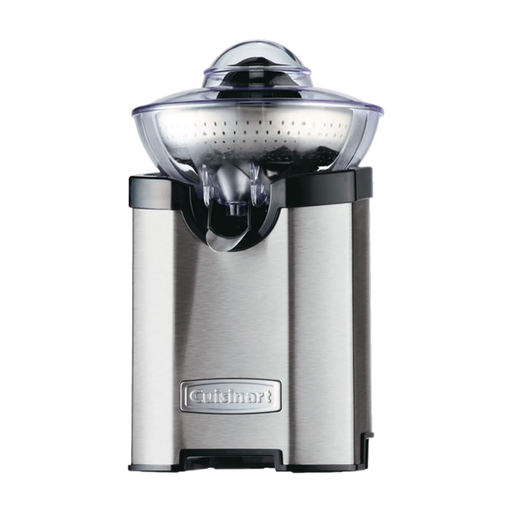
Why it suits this profile: This 100W citrus juicer combines a stainless steel housing with a generous 1-litre collection capacity. It is well suited to households that regularly serve several glasses at once.
The wide spout and anti-drip system are clearly described, so you are less reliant on vague marketing claims.
1-litre juice reservoir, 100 W, stainless steel housing, dishwasher-safe removable parts according to the product information and a 3-year manufacturer's warranty.
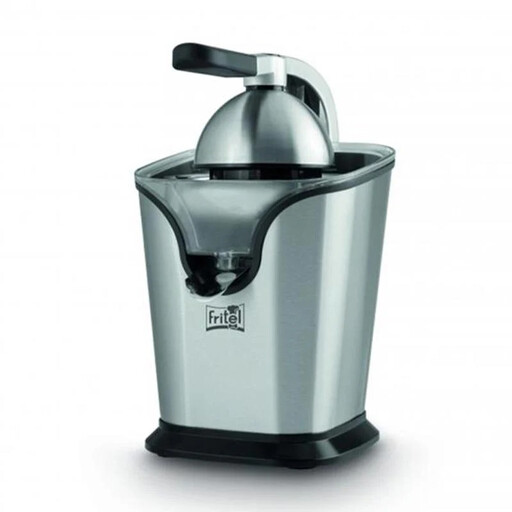
Why it suits this profile: The lever operation is suitable if you regularly juice oranges, lemons and grapefruits. The two reamers let you adapt the juicer to different fruit sizes.
The built-in pulp filter and lockable juice spout address two practical problems: pulp in the glass and drips on the worktop.
100 W, two reamer sizes, anti-drip system, pulp filter, non-slip feet and removable dishwasher-safe parts according to the product description.
We have put together a complete, up-to-date list of products that fully meet these strict selection criteria and the applicable European safety regulations.
Electricity consumption per glass is generally limited, but the exact cost depends on the wattage and how long you use the appliance. A 40 W model uses less electricity over a few minutes of juicing than a 100 W appliance used for the same length of time. The difference on your energy bill is usually smaller than the difference in purchase price and cleaning time.
Its lifespan depends on how it is used, how it is cleaned and whether you follow the maximum operating time stated in the instructions. Allow the motor to cool down when indicated, and only use the appliance for citrus fruit if this is what the manufacturer specifies. Stop immediately if you notice an unusual smell, noise or vibration, and contact the seller or manufacturer.
Look for a collection bowl of around 700 ml to 1 litre or more, depending on how many glasses you make at once. A model with two reamers offers greater flexibility for lemons, limes, oranges and grapefruits. If you want to adjust the texture of the juice, choose a citrus juicer with a pulp filter or several pulp settings.
