
Vandaag of morgen in huis

Kwaliteit gegarandeerd

Welkomstaanbiedingen ontgrendelen: GRATIS bezorging | Tot 80% korting | Gratis 30 dagen JoyPlus-proefperiode
Download de app
An electric citrus juicer can make juicing oranges, lemons, limes and grapefruits much easier. However, models vary considerably in how they work, how much juice they collect, how easy they are to clean and how well they suit everyday use. A low price doesn’t automatically mean an appliance is impractical, just as a high wattage doesn’t tell you everything about the experience of using it.
Look out for these three common pitfalls:
With a classic electric orange juicer, you press half a piece of fruit onto a rotating cone. The motor usually starts when you apply pressure. It’s a good choice if you want to make a quick glass of juice without buttons or complicated settings.
A lever-operated citrus juicer works differently. You place the fruit on the cone and push the lever down. This can be useful if you regularly juice several oranges at a time and want to use less force with your hand. Check that the base stays firmly in place and that the lever moves smoothly.
A model with two cones is handy if you want to juice both small fruit and large oranges or grapefruits. A smaller cone is generally better suited to lemons and limes, while a larger cone is designed for oranges and grapefruit. Always check the product specifications, as the sizes included vary by model.
Power is measured in watts. The citrus juicers in this selection range from 20 to 100 watts. This can tell you something about the motor, but it’s no guarantee of more juice or a longer lifespan.
Also look for:
Brands may describe features such as ‘maximum juice yield’ or an efficient motor in their own product information. Treat these as brand claims and compare the specifications you can verify, such as wattage, capacity, number of cones and filter type.
A citrus juicer with a drip-stop feature has a closable spout or a similar solution to reduce drips after you’ve filled a glass. This won’t always prevent every splash, but it can help keep your worktop tidier.
A reservoir of around 0.6 to 1 litre may be enough for one or two glasses. Families may benefit from a larger collection container, although a bigger appliance often takes up more worktop space.
For easy cleaning, removable parts are important. Check whether the cone, filter, collection container and spout can be washed by hand or in the dishwasher. The motor base must not be submerged in water. Ideally, rinse the parts straight after use, before the pulp dries.
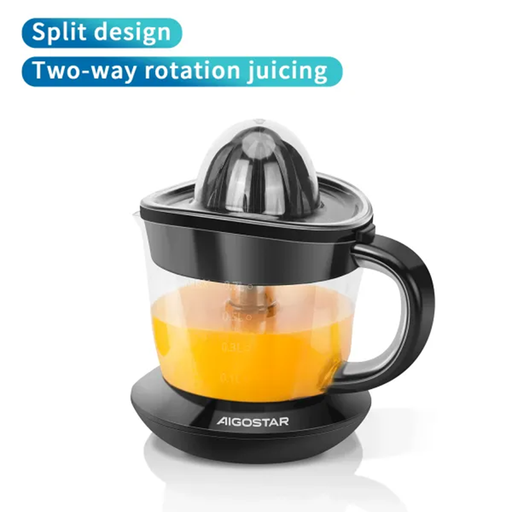
Why it suits this shopper: This compact citrus juicer has a 700 ml capacity, two cones and simple pressure-operated controls for everyday use.
The product specifications list two cones and a removable design, so you don’t have to judge it on wattage alone and can clean the parts easily.
40 W power, 700 ml capacity, two-way rotation and an adjustable filter, according to the product information.
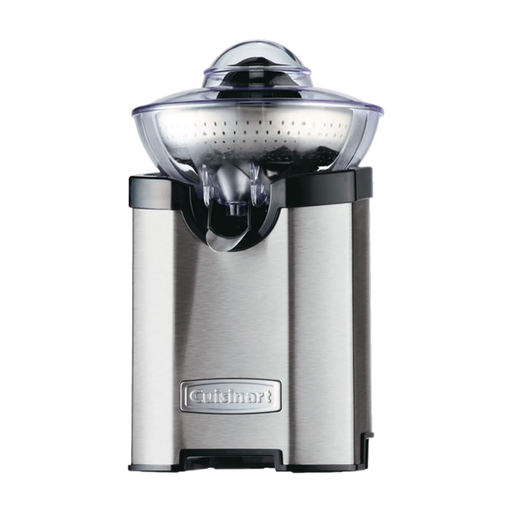
Why it suits this shopper: This model combines a stainless steel housing with a 1-litre collection capacity and a long pouring spout.
The stated drip-stop feature and removable, dishwasher-safe parts address two practical problems: spills and lengthy cleaning.
100 W power, 1-litre capacity, stainless steel housing, drip-stop feature and a 3-year manufacturer’s warranty, according to the product details.
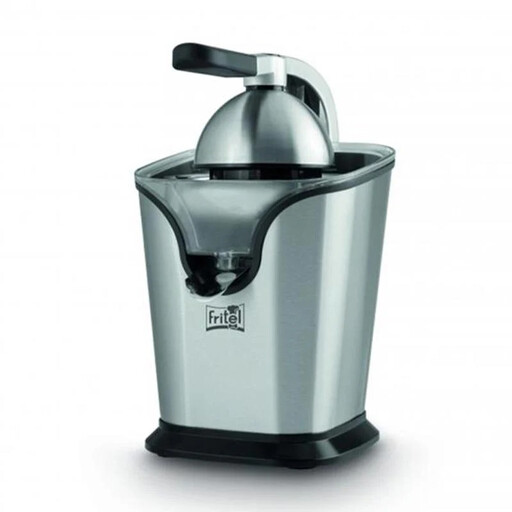
Why it suits this shopper: The lever mechanism, two cones and 100 W power make this a good fit for households that regularly juice different types of citrus fruit.
The product description lists a pulp filter, drip-stop spout, two cones and removable, dishwasher-safe parts.
100 W power, lever mechanism, two cone sizes, pulp filter and compact dimensions of 270 × 185 × 165 mm.

Why it suits this shopper: The wide feed opening and five pulp settings let you adjust the texture of your juice.
The product specifications mention pulp and juice separation, five adjustable pulp settings and removable parts for cleaning.
110 mm wide feed opening, five pulp settings, one-button operation, non-slip feet and a 24-month warranty, according to the product information.
We’ve put together a complete, up-to-date list of products that meet these strict selection criteria and the applicable European safety regulations.
Wash the fruit and cut it in half. If your model has several cones, choose the size that suits the fruit. Place one half, cut side down, on the cone and press gently. Use the spout or reservoir as instructed by the manufacturer.
With an electric lemon juicer, it’s best not to keep lemons and limes under pressure for too long. This helps limit splashing and avoids putting unnecessary strain on the motor. After use, remove the pulp straight away, rinse the removable parts and dry them before putting the appliance away.
Energy use depends on the wattage and how long the juicer runs. A 40-watt model running for a few minutes uses little electricity per juicing session. The main benefit is usually convenience and saving time, rather than a guaranteed reduction in overall energy use.
Lifespan depends on how you use, clean and store the appliance, and whether you follow the maximum operating time in the instruction manual. Let the motor cool down when juicing for longer periods, and don’t use the juicer for fruit or ingredients it isn’t designed for. Statutory and any manufacturer’s warranties vary by product.
That depends on the cone and the space available around the juicer. A model with a large or universal cone is more practical for this. Also check whether the product description specifically mentions grapefruit and whether a second cone is included.
