
Making dressing with lemon or lime
You juice small citrus fruits and want to control how much pulp goes into a small portion of dressing. Princess says the small cone on the 201004 is suitable for lemons and limes.


For a small batch of dressing, look for a cone suited to lemons or limes and adjustable pulp control if you want to choose how much pulp goes into the juice. If you want to tidy up quickly after a short break, check which parts are removable and how they can be cleaned. A direct spout or pressing lever is worth considering if pouring or pressing is your main concern. These are features of individual models, not findings from a comparative practical test.
You juice small citrus fruits and want to control how much pulp goes into a small portion of dressing. Princess says the small cone on the 201004 is suitable for lemons and limes.
You want to tidy up quickly after juicing, so you’re looking at removable parts and the cleaning instructions for each model. Princess and Tristar specify that certain parts of specific models are dishwasher-safe.
You’re mainly interested in a direct spout or a pressing lever. Braun specifies direct pouring for the CJ3050BK, while Tristar describes a pressing lever on the CP-3002.
Start with the cone size and how much pulp you want. Then consider cleaning, collecting the juice and how you apply pressure.
| What to consider | What should you check? | Who is this important for? |
|---|---|---|
| Small fruit and pulp | Check whether the cone is designed for lemons or limes and whether the pulp setting is adjustable. | If I’m juicing a lemon or lime for a small batch of dressing, I want to choose how much pulp goes in. Around 36% of consumers say a good fit and pulp control are their top priorities. |
| Quick cleaning | Check which parts are removable and whether the manufacturer says they are dishwasher-safe; the motor base is a separate matter. | After a short break, I want to clean the parts that have come into contact with juice easily. Around 29% of consumers put quick tidying at the top of their list. |
| Collecting juice straight away | Check whether a small bowl fits under the spout and whether the exact model has a drip-stop feature. | If I want to collect the juice straight into a small bowl, I don’t want to have to empty a jug first. Around 21% of consumers prioritise pouring directly without spills. |
| Lever operation | Check how the pressing arm works and how much space the appliance takes up; don’t infer how much hand pressure is needed from the wattage. | If I find it uncomfortable to press directly on the fruit, I look for a lever-operated model. Around 14% of consumers say reducing the pressure needed by hand is their top priority. |
Cone size matters when you’re juicing small fruit, even if the juicer comes with a larger jug.
Check the product information for the exact model to see which fruit the supplied cone is designed for.
Pouring juice directly and adjusting the amount of pulp are different features. Braun lists them on different models: direct pouring on the CJ3050BK and five pulp settings on the CJ3000BK.
Compare the full model numbers and choose the feature you need for your dressing.
Manufacturers may say that removable parts are dishwasher-safe; that doesn’t mean you can put the electric base in the dishwasher.
Follow the cleaning instructions for each part separately.
The 201004 is a jug-style juicer to consider if you juice different types of citrus fruit and want to control the pulp.
The Viva HR2744/40 and Daily HR2738/00 are jug-style juicers, with different features listed for each model.
Compare the CitrusQuick 1 CJ3000BK for pulp control with the CitrusQuick 3 CJ3050BK for direct pouring.
According to Tristar, the CP-3002 combines a pressing lever with two cones and a direct spout.
The Citrus Juicer type 8453 is a lever-arm model to consider if ease of operation is your main priority.
This selection includes models with a direct spout, a jug, pulp control or a pressing lever. When buying, check the CE marking on the specific item: according to the Netherlands Food and Consumer Product Safety Authority, it is compulsory for electrical products placed on the market in the Netherlands.
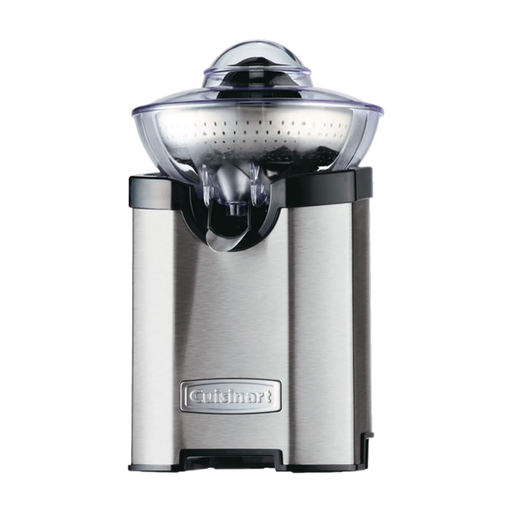 No image available
An option to consider if you want to collect juice straight away and tidy up quickly after use.
100 W; extra-wide spout and anti-drip system. According to the product information, the removable parts are dishwasher-safe.
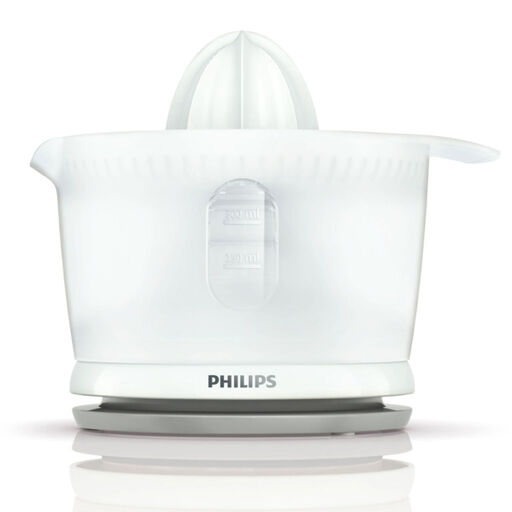 No image available
A jug-style juicer to consider if you want to collect juice in a jug.
500 ml jug and 25 W power. The product information lists rotation in two directions, a drip-free spout and removable, dishwasher-safe parts.
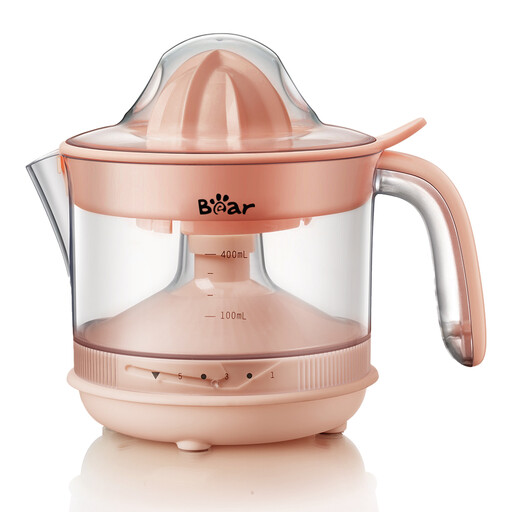 No image available
An option to consider if you mainly want to control the amount of pulp.
The product name lists pulp separation, five adjustable pulp settings and a 1.4-litre capacity. The product information describes an electric juicing mechanism and removable parts.
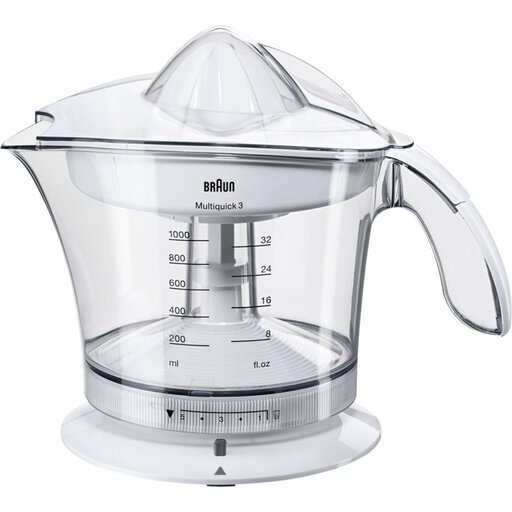 No image available
An option to consider if you want to adjust the amount of pulp as you juice.
The product information lists an adjustable pulp sieve, rotation in two directions and operation by pressing and releasing the fruit.
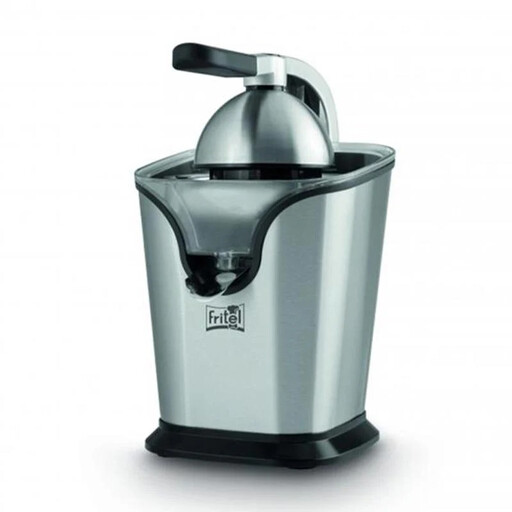 No image available
An option to consider if you want a pressing lever and juice lemons or limes.
100 W and two cone sizes; the product information lists a small cone for lemons and limes, a built-in pulp filter and a drip-stop feature. The removable parts are described as dishwasher-safe.
Don’t assume you can; check which fruit the cone on the exact model is designed for. Princess specifically says the small cone on the 201004 is suitable for lemons and limes.
Take the parts apart according to the instructions for the exact model and clean them separately. Princess and Tristar say that certain parts of specific models are dishwasher-safe; this doesn’t mean the motor base can go in the dishwasher. Use clean kitchen utensils and a clean cloth.
If a product is faulty, the seller must provide a solution; there is no fixed statutory guarantee period in the Netherlands. The Dutch government generally states that consumers have 14 days to change their mind after an online purchase, subject to legal exceptions.
According to the Netherlands Food and Consumer Product Safety Authority, CE marking is compulsory for electrical products placed on the market in the Netherlands. Check the marking on the specific item you want to buy.
Store opened lemon juice according to the advice from the Netherlands Nutrition Centre: 3–7 days in the fridge. This isn’t automatically the shelf life of homemade dressing, as other ingredients affect how long it keeps. Return perishable ingredients to a fridge at 4 °C promptly.