
Vandaag of morgen in huis

Kwaliteit gegarandeerd

Welkomstaanbiedingen ontgrendelen: GRATIS bezorging | Tot 80% korting | Gratis 30 dagen JoyPlus-proefperiode
Download de app
An electric citrus juicer can make juicing oranges, lemons, limes and grapefruits easier. However, appliances vary considerably in operation, capacity and ease of cleaning. A low price does not tell you everything, but a higher wattage is no guarantee of more juice either.
The most common buying mistakes usually come down to three points:
A good choice therefore starts with how you intend to use it. Do you occasionally squeeze a lemon for a dressing, or do you want to make several glasses of juice every day? Below are the key features to check.
A basic electric citrus juicer usually works by pressing half a fruit onto a rotating cone. On a model with automatic rotation, the motor starts as soon as you apply pressure. Some appliances rotate alternately clockwise and anticlockwise. According to the product specifications, this may help use more of the fruit evenly across the cone, but the final amount of juice also depends on the fruit, its ripeness and how it is cut.
A citrus juicer with lever uses a pressing arm. This means you do not need to apply as much direct pressure with your hand. In addition to the wattage, pay attention to:
A 25-watt electric orange juicer may be sufficient for everyday, small-scale use. If you often juice several fruits in succession, you may benefit from a sturdier mechanism and a larger collection container.
A citrus juicer with two cones is practical if you want to juice both limes and lemons as well as oranges and grapefruits. The smaller cone fits small fruits more closely, while the larger version is intended for oranges or grapefruit.
Also check how the pulp is handled. A citrus juicer with pulp filter catches pips and larger pieces of pulp. Some models offer several pulp settings. This is useful when members of the household have different preferences, from relatively smooth juice to juice with more pulp.
The collection capacity determines how much you can juice in succession:
Bear in mind that a product description may sometimes list a collection container and a pulp container separately. Check which parts actually collect the juice and which only collect the pulp.
A citrus juicer with an anti-drip system has a spout that you can close or flip upwards. This does not automatically prevent every drop, but it can reduce spills when removing the glass. Check whether the spout fits over your glasses and whether the juice flows directly into the collection container or into a glass.
A stainless-steel housing can generally be wiped clean easily with a damp cloth. Plastic models may be lighter and more compact. More important than the appearance is whether the parts come apart easily and whether they are dishwasher-safe according to the product specification. With a dishwasher-safe citrus juicer, usually only the removable parts are suitable for the dishwasher. The motor base, cable and plug must not be submerged.
The choices below are linked to a clear usage profile. The features mentioned are based on the available product specifications. Brand claims about efficiency or juice yield are not presented here as guaranteed results.
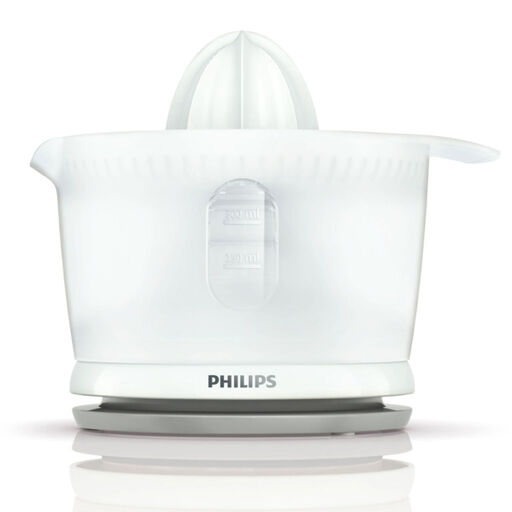
Why it suits this profile: With a 500 ml collection container, 25 watts of power and compact dimensions, this model is aimed at smaller households and everyday use without taking up much storage space.
The collection container is clearly specified, and according to Philips, the parts are dishwasher-safe. The compact housing prevents the appliance from taking up unnecessary worktop space.
500 ml capacity, automatic start when pressure is applied, cord storage and non-slip feet.
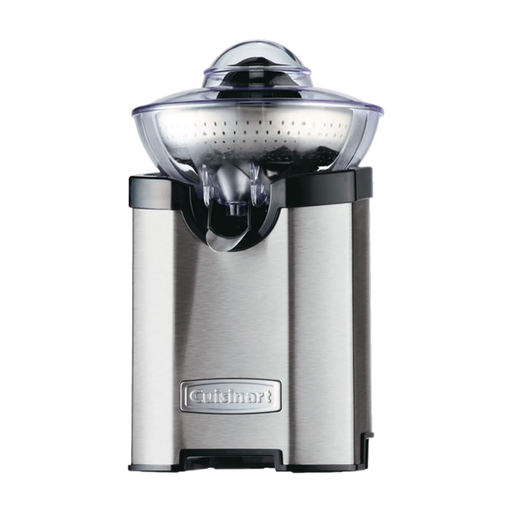
Why it suits this profile: The stainless-steel design, 100 watts of power and 1-litre capacity are well suited to users who value a sturdier appliance and straightforward operation.
The product specification lists an anti-drip function, removable dishwasher-safe parts and an extra-wide spout. This addresses the main issues around mess and cleaning.
1-litre juice reservoir, 100 watts of power, stainless-steel housing and a three-year manufacturer's warranty according to the product information.
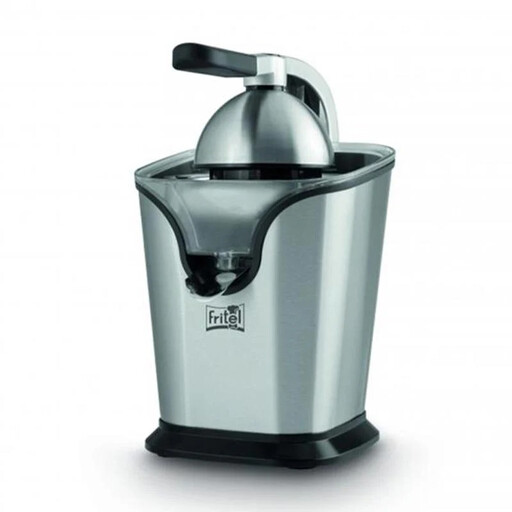
Why it suits this profile: The pressing arm, 100 watts of power and two interchangeable cones are designed for users who regularly juice different types of citrus fruit.
You can choose the right cone for the size of the fruit. The product description also lists a built-in pulp filter, anti-drip spout and dishwasher-safe removable parts.
Two cone sizes, pressing arm, 100 watts of power, dimensions of 270 × 185 × 165 mm and non-slip feet.
We have compiled a complete, up-to-date list of products that fully meet these strict selection criteria and the applicable European safety regulations.
Before buying, check that the plug and mains voltage are suitable for use in the Netherlands. The models mentioned are designed for connection to the European mains supply, but always check the current product specification.
Also consider the available space. A compact citrus juicer is easy to store, but a model with a lever or large collection container may be taller. So measure not only the width, but also the height beneath kitchen cupboards.
For daily use, it is worth rinsing the cone, sieve and collection container immediately after each use. Do not allow pulp to dry. Clean the motor base with a slightly damp cloth. Follow the operating time stated in the manual and unplug the appliance before removing any parts.
The electricity used per glass is generally limited because a citrus juicer only runs for a short time. The overall cost difference mainly depends on the purchase price, lifespan and how often you use the appliance. A lower-power model uses less energy per minute, but juicing times vary from one appliance to another.
Choose a model with two cones or a universal cone. The small cone is practical for lemons and limes, while the larger version is better suited to oranges and grapefruits. Also check the size of the collection container if you want to make several glasses at once.
The lifespan depends on the materials, motor load, cleaning and frequency of use. Follow the recommended operating time and do not force the cone if a fruit becomes stuck. A sturdy base, correct assembly and regular cleaning help to limit wear. Under European Union law, the statutory guarantee for consumers is generally at least two years, in addition to any further rights under the applicable rules.
