
Vandaag of morgen in huis

Kwaliteit gegarandeerd

Welkomstaanbiedingen ontgrendelen: GRATIS bezorging | Tot 80% korting | Gratis 30 dagen JoyPlus-proefperiode
Download de app
An electric citrus juicer can make squeezing oranges, lemons and limes much easier. However, some models can disappoint in everyday use. For example, an appliance may have plenty of power but be awkward to clean. Or a large jug may turn out to be suitable only for small quantities of juice.
That’s why Joybuy’s Product Recommendation Officer focuses on points you can check: capacity, controls, pulp filter, cleaning, stability and the types of fruit the juicer is designed for.
A higher wattage doesn’t automatically mean you’ll get more juice from each orange. The design of the juicing cone, how pressure is distributed and how the fruit is squeezed all play a part. For citrus fruit, a good juicing cone is often more important than a high-powered motor alone.
It’s also worth knowing the difference between an electric orange juicer and a general-purpose juicer. A citrus juicer usually uses a cone and pressure to extract juice. A centrifugal juicer grates or spins ingredients, and is mainly designed for hard fruit and vegetables.
A 1 to 1.4-litre jug is useful for families, but takes up more worktop space. If you usually make just one glass of lemon juice, a compact citrus juicer with a direct spout may suit you better.
Also check whether the stated capacity refers to the juice jug, pulp container or mixing chamber. These figures aren’t always directly comparable.
A removable cone and filter make cleaning easier, but not every part is automatically dishwasher-safe. Check the manual and product details. The motor base must never be submerged in water.
A dishwasher-safe citrus juicer can save time, especially if you use it regularly. Just check exactly which parts can go in the dishwasher.
Models rated at around 20 to 100 watts are common for everyday citrus juicing. A lever mechanism can distribute pressure more evenly, making it useful when you’re squeezing several oranges in a row. On models with automatic pressure activation, the motor starts as soon as you press the fruit down.
Check the recommended operating time, too. Some appliances are intended for domestic use only and need to cool down after longer juicing sessions.
A small cone is suited to lemons and limes, while a larger cone is more practical for oranges and grapefruits. A model with two interchangeable cones therefore offers more flexibility.
A wide opening can reduce preparation time, but check whether the fruit will actually fit through it whole. A product description that mentions a wide feed opening doesn’t automatically mean every grapefruit will fit without being cut first.
A citrus juicer with a pulp filter is a good choice if you prefer smoother juice. An adjustable filter is more convenient for households with different preferences. If you like the fibre in your juice, don’t look only for descriptions that say “pulp-free”.
A citrus juicer with an anti-drip spout helps keep your worktop cleaner when you remove your glass. Check that the spout really does close, and that it’s high enough for your glasses.
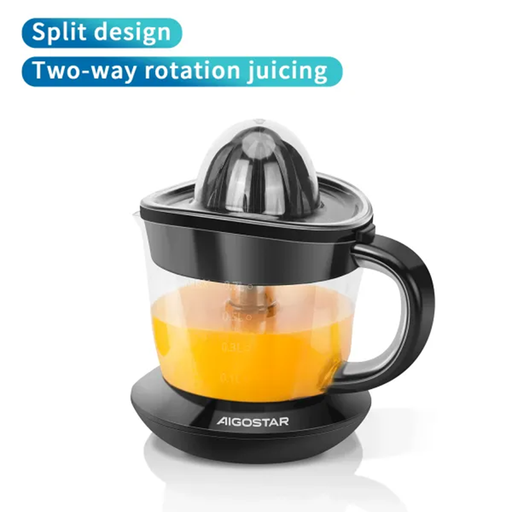
Why it suits this profile: The 700 ml capacity is suitable for one or a few glasses, while its compact size takes up little room on a kitchen worktop.
The product details list two juicing cones and an adjustable filter. That means you don’t have to use one all-purpose cone for every size of citrus fruit.
40 watts, two-way rotation, 700 ml capacity and removable parts, according to the product description.
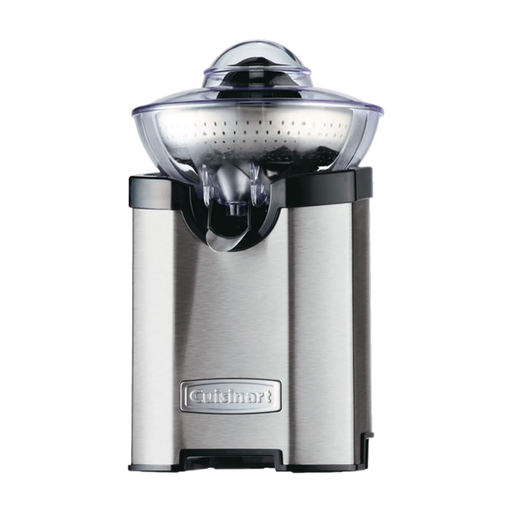
Why it suits this profile: This model combines a stainless-steel housing with a 1-litre reservoir and a spout that, according to the product specifications, suits a range of glasses.
The product description mentions an anti-drip system and removable, dishwasher-safe parts, helping to address two common frustrations.
100 watts, stainless-steel housing, a 1-litre reservoir and a stated 3-year manufacturer’s warranty.
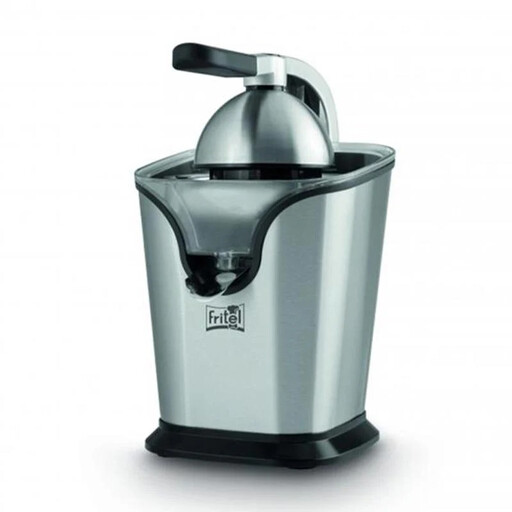
Why it suits this profile: The lever-operated design and two cone sizes are well suited to households that regularly juice different types of citrus fruit.
The specifications list a built-in pulp filter, an anti-drip spout and removable, dishwasher-safe parts. This makes everyday use more straightforward.
100 watts, two juicing cones, compact dimensions of 270 × 185 × 165 mm and a weight of 1.7 kg.

Why it suits this profile: Five adjustable pulp settings let each family member choose the texture they prefer for their orange or lemon juice.
The product details mention separate pulp and juice collection, a wide 110 mm feed opening and removable parts. Before use, check which fruits fit without being cut first.
Five pulp settings, one-button operation, non-slip feet, BPA-free food-contact materials according to the product description, and a 24-month warranty.
An electric lemon juicer or citrus press is designed specifically for citrus fruit. It’s generally quick to use, and the parts are relatively easy to clean.
A slow juicer extracts juice using a slowly rotating system. It may be a good option if you also want to process vegetables, apples or other produce, but the appliance is often larger and takes more effort to clean. A centrifugal juicer uses a rapidly spinning sieve, so it’s not the same as a traditional citrus juicer either.
So start by thinking about the ingredients you’ll be using. If you mainly juice oranges, lemons, limes and grapefruits, a citrus juicer is usually a more logical choice than a general-purpose juicer.
We’ve put together a complete, up-to-date list of products that meet these strict selection criteria and the applicable European safety regulations.
Switch off the appliance, unplug it and remove the cone, filter, jug and spout as instructed in the manual. Rinse the parts soon after use. Parts that the manufacturer lists as dishwasher-safe can go in the dishwasher. Wipe the motor base with a damp cloth and never submerge it in water.
Its lifespan depends on how often you use it, how well you clean it and whether you follow the recommended operating time. Let the motor cool down after longer juicing sessions, and only use the appliance for citrus fruit if that’s what the product information specifies. A statutory guarantee or additional manufacturer’s warranty explains the service terms, but doesn’t predict the appliance’s actual lifespan.
Energy use depends on the wattage and how long you use the appliance. A 100-watt model running for a few minutes uses relatively little energy per juicing session. A higher wattage does mean the appliance draws more power while it’s running, though. So don’t compare wattage alone: consider how long it takes to make your usual amount of juice, too.
