
Vandaag of morgen in huis

Kwaliteit gegarandeerd

Welkomstaanbiedingen ontgrendelen: GRATIS bezorging | Tot 80% korting | Gratis 30 dagen JoyPlus-proefperiode
Download de app
An electric citrus juicer can make it easier to juice oranges, lemons and grapefruits. However, models vary considerably in how they work, their capacity and how easy they are to clean. A cheap purchase can disappoint if the appliance wobbles, is difficult to clean or doesn’t have enough capacity for your daily needs.
So don’t focus only on wattage or a prominent marketing label. Pay particular attention to the build, the parts that come into contact with the juice and how you plan to use the appliance.
An electric orange juicer with more power may sound impressive, but the results also depend on the reamer, rotation, pressure and size of the fruit. For citrus fruit, a compact 20 to 40-watt appliance may be enough. A 100-watt model with a lever may be more practical if you’re making several glasses in a row.
Check which parts are removable and whether the manual says they’re dishwasher-safe. A citrus juicer with a pulp filter can produce smoother juice, but the filter also needs extra cleaning. A fixed filter or hard-to-reach edges can put you off using the appliance as often.
A 0.7-litre jug is suitable for a few glasses, while a 1.4-litre reservoir is a better fit for a household that makes more juice in one go. Also check the dimensions to make sure it fits on your worktop. A home citrus juicer should not only fit while in use, but also be easy to store in a cupboard or on a shelf.
An electric lemon juicer won’t always work as well with large oranges. Models with two reamers are more versatile. A smaller reamer is generally suited to lemons and limes, while a larger one is designed for oranges and grapefruits.
A wide opening can reduce the amount of preparation needed. However, check whether the product information actually states which fruit sizes will fit. For example, the Bear CZJ-A04B1 is listed as having a 110 mm opening.
If you prefer smooth juice, consider a citrus juicer with a pulp filter. If you like having some pulp, an adjustable sieve is a better choice. Check how many settings it has and whether the filter is easy to remove.
The Bear is listed as offering five pulp settings. The Braun MPZ9 is described as having an adjustable pulp sieve. In practice, the amount of pulp also depends on the fruit and the pressure used.
A citrus juicer with an anti-drip feature can help reduce spills on your worktop. Check whether the system is operated by a lever or button, or uses a closable spout. Non-slip feet are useful too, especially if you need to press firmly on the fruit.
Also look for clear safety instructions:
A citrus juicer without blades may seem more straightforward for some households, but the reamer still has moving parts. Children should therefore continue to be supervised.
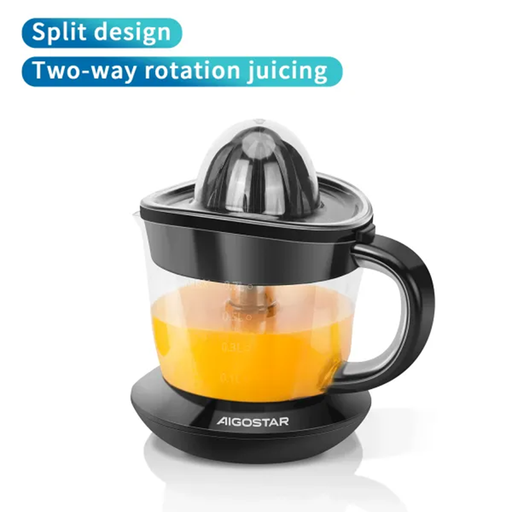
Why it suits this type of user: The 700 ml capacity is suitable for everyday use without taking up too much space on your worktop. According to the product description, the juicer starts when you apply light pressure to the fruit.
The product information lists two reamers, a removable design and an adjustable filter. This gives you clearer details about fruit size and cleaning than a model with only general claims about how it works.
40 watts, two-way rotation, 700 ml capacity and removable parts. Dimensions: 220 × 149 × 213 mm.
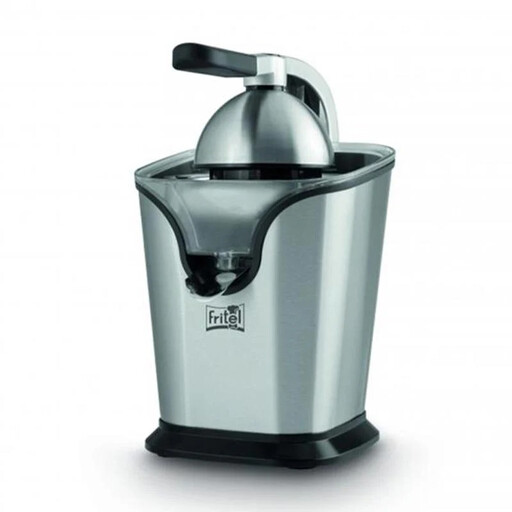
Why it suits this type of user: The lever-operated design and metal casing are a good fit for anyone who wants to juice several citrus fruits in a row and values a stable appliance.
According to the product description, it has an anti-drip spout, a pulp filter, two reamers and removable parts that are dishwasher-safe. This makes it easier to check important details before you buy.
100 watts, two reamer sizes, non-slip feet and compact dimensions of 270 × 185 × 165 mm. It weighs 1.7 kg.
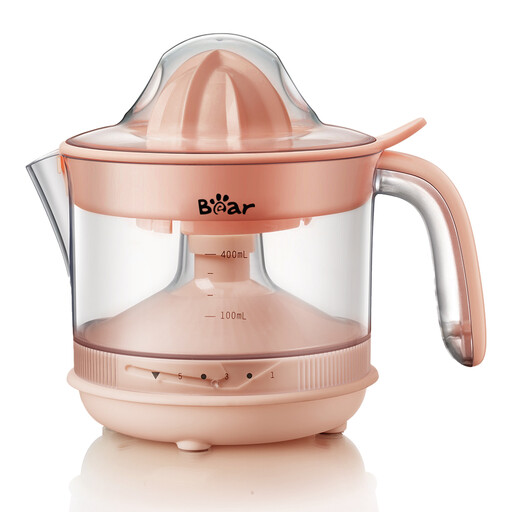
Why it suits this type of user: The wide opening and five pulp settings are a good fit for households that use different types of citrus fruit and prefer different juice textures.
The product information lists a 110 mm opening, five pulp settings, removable parts and non-slip feet. This makes it easier to decide in advance whether the controls will suit your routine.
One-button operation, separation of pulp and juice, BPA-free contact materials according to the product information, and a 24-month manufacturer’s warranty.
We’ve put together a complete, up-to-date list of products that meet these strict selection criteria and the applicable European safety requirements.
A centrifugal juicer for citrus fruit isn’t always necessary. A traditional electric citrus press uses halved fruit and is usually simpler to use for oranges, lemons and grapefruits. A slow juicer or general-purpose centrifugal juicer can handle a wider range of fruit and vegetables, but often has more parts, takes up more space and requires extra cleaning.
So choose a citrus juicer if you mainly process citrus fruit. Consider a more versatile juicer if you want one appliance for several types of ingredients. If you do, check whether the citrus fruit needs to be peeled first; many general-purpose juicers require this.
Energy use depends on the power rating and how long you use the appliance. A 25-watt model running for a few minutes uses relatively little electricity. A 100-watt appliance uses more per minute, but its pressing mechanism may mean it works faster. So don’t compare wattage alone; take how often you’ll use it into account too.
After use, unplug the appliance and remove the reamer, filter, jug and any other removable parts. Don’t rinse the motor base under running water for an extended period. Wash the parts in warm water as instructed in the manual, and check which ones are dishwasher-safe. Clean the motor base with a slightly damp cloth.
Its lifespan depends on the materials, how often you use it, how you clean it and whether you follow the recommended operating cycles. Let the motor cool down if the manual instructs you to, and don’t use the appliance for harder ingredients if it’s designed solely for citrus fruit. Consumers in the European Union are also covered by a statutory guarantee of conformity. Check the product page and manual for any additional manufacturer’s warranty terms.
