
Vandaag of morgen in huis

Kwaliteit gegarandeerd

Welkomstaanbiedingen ontgrendelen: GRATIS bezorging | Tot 80% korting | Gratis 30 dagen JoyPlus-proefperiode
Download de app
An electric citrus juicer can make it easier to juice oranges, lemons, limes and grapefruits. However, many models look similar, even though they can differ considerably in capacity, pulp filter, controls and ease of cleaning. If you focus only on the wattage or an attractive product photo, you could end up with a machine that proves awkward after just a few uses.
This buying guide explains what to look for and which electric citrus juicer might suit different needs.
A 100-watt motor sounds more powerful than a 20- or 25-watt model. However, the amount of juice you get also depends on the shape of the juicing cone, its direction of rotation, how much pressure you apply to the fruit and how the pulp is separated. For example, an electric orange juicer with a lever can be easy to use without requiring you to press down hard yourself.
So don’t look at the wattage alone. Check whether the juicing cone is suitable for both small and large citrus fruits, and whether the manufacturer specifies a pulp filter or juice separator.
A 1-litre jug is handy for making several glasses, but it takes up more worktop space. For one person, a compact citrus juicer with a 500 ml reservoir may make more sense. Check the dimensions and where the cord is positioned, too. If you have to put the machine back in a cupboard after every use, you may find you use it less often.
With a citrus juicer, pulp, pips and fruit flesh quickly come into contact with the juicing cone and filter. Check which parts are removable and whether the product description says they can go in the dishwasher. Never immerse the motor base. A separate jug, filter and juicing cone generally make cleaning after everyday use more straightforward.
For families, a model with a capacity of 600 ml to 1.4 litres is practical if you want to make several glasses in a row. A smaller home juicer with a capacity of around 500 ml is a better fit for occasional use or a small kitchen.
As well as the capacity, check:
A pulp filter catches pips and some of the fruit flesh. Some models offer several pulp settings, while others use a single adjustable filter. If you prefer clear juice, a fine filter is a good choice. If you like juice with plenty of fruit flesh, look for an adjustable option.
A citrus juicer is designed for citrus fruit. A standard centrifugal juicer may sometimes be able to process other ingredients as well, but always check the instructions. A centrifugal fruit and vegetable juicer is a different type of appliance from a traditional citrus juicer with a juicing cone.
A juicer that starts automatically when you press down on the cone is easy to use every day. A lever can be handy when you’re juicing several fruits in a row. An anti-drip feature or a spout with a stopper can help prevent drips on the worktop, but always close the spout as instructed before moving the glass.
Also look for:
A model without blades, such as the ochama juicer, works differently from a centrifugal juicer with a rotating sieve. Always keep children away while the juicer is in use, and unplug it before assembling, disassembling or cleaning it.
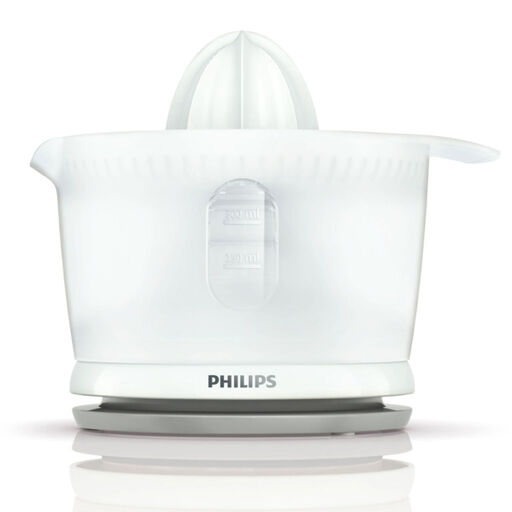
Why it suits this need: This compact electric citrus juicer has a 500 ml capacity and a power rating of 25 watts. It’s well suited to everyday use when making one or a few glasses, without taking up too much worktop space.
The product specifications list a non-slip base, automatic shut-off, cord storage and removable dishwasher-safe parts. Check the instructions to confirm exactly which parts can go in the dishwasher.
500 ml jug, compact dimensions of 14,5 × 19,7 × 16,4 cm and an 80 cm cord.
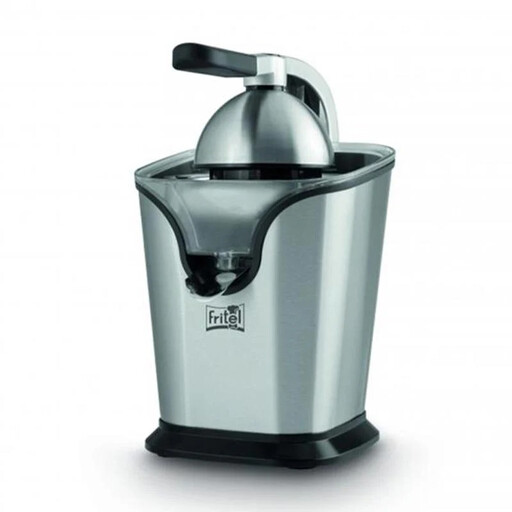
Why it suits this need: This 100-watt citrus juicer has a lever and is designed for regular use with citrus fruits of different sizes. Its two juicing cones are intended for smaller fruits and larger ones, such as grapefruit.
The product description lists a built-in pulp filter, an anti-drip spout and removable dishwasher-safe parts. This means filtering and cleaning have both been considered in the design.
Two juicing cones, 100 watts, stainless steel housing and dimensions of 270 × 185 × 165 mm.
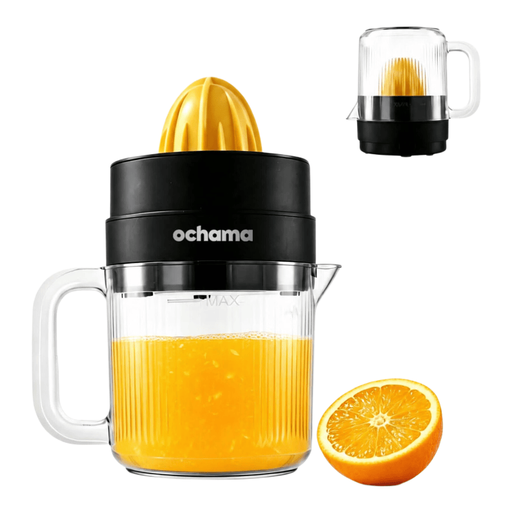
Why it suits this need: According to the product specifications, this semi-automatic juicer has a 1.4-litre capacity and is designed with families in mind. It works without cutting blades.
The product description lists a modular design with removable parts and pulp separation. This makes the parts that come into contact with the fruit easy to reach for cleaning.
1.4-litre capacity, 30-watt power rating, pulp separation and a blade-free design.
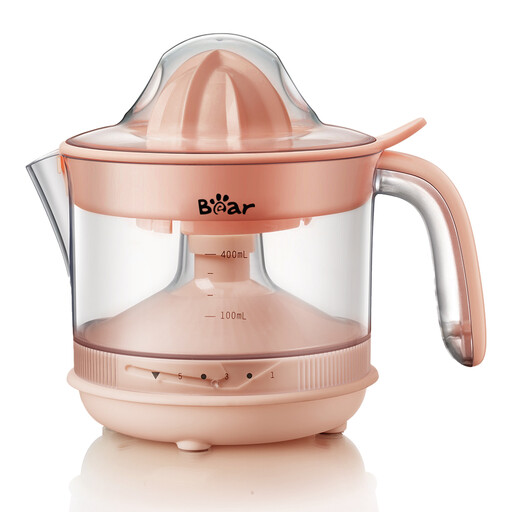
Why it suits this need: According to the product specifications, this model offers five pulp settings and a 110 mm feed opening. It’s a good option if members of your household have different preferences when it comes to the texture of their juice.
Adjustable pulp settings mean you’re not limited to choosing between completely clear juice and a very pulpy drink. The removable parts are designed to be cleaned after use.
Five pulp settings, one-touch operation, non-slip feet and a wide 110 mm feed opening.
We’ve put together a complete, up-to-date list of products that meet these strict selection criteria and current European safety regulations.
First, unplug the juicer. Then remove the juicing cone, filter and jug as instructed in the manual. Don’t leave stuck-on pulp for hours before rinsing it off. Removable parts may be dishwasher-safe, but check this for each model. Wipe the motor base with a slightly damp cloth only.
Its lifespan depends on how often you use it, how well you clean it and whether you follow the recommended maximum operating time. Let the motor cool down when instructed in the manual, and use the juicer only with suitable citrus fruits. If you notice an unusual smell, vibration or noise, stop using it and contact the manufacturer.
A traditional citrus juicer usually has a relatively low power rating, for example, 20 to 100 watts. Actual energy use depends on how long you run the machine. A short juicing session lasting a few minutes will generally use less energy than running an appliance continuously for a longer period. Check the wattage and recommended operating time before choosing a model.
