
Vandaag of morgen in huis

Kwaliteit gegarandeerd

Welkomstaanbiedingen ontgrendelen: GRATIS bezorging | Tot 80% korting | Gratis 30 dagen JoyPlus-proefperiode
Download de app
At first glance, electric bikes and e-scooters seem easy to compare. Yet most disappointing purchases aren’t down to the colour or display, but to unrealistic expectations about range, safety and everyday use. For example, the stated range is often based on favourable conditions. Weight, wind, temperature, tyre pressure, hills and riding mode can all affect how far you can actually travel.
Powerful motors and large batteries aren’t automatically suitable for every journey in the Netherlands, either. Always check the product details, local traffic rules and whether an e-scooter can be used on public roads.
An electric bike with a long range, or an electric bike with a 120 km range, sounds appealing for commuting. However, the stated distance is usually a maximum figure in a specific assistance mode. Strong headwinds, low temperatures or hilly routes can all reduce the range.
So don’t just look at the figure. Check:
A heavy model with wide tyres needs reliable brakes. Check whether the specifications list front and rear disc brakes, and whether the tyres are suited to the terrain you’ll be riding on. A 20 x 3-inch fat bike can offer extra stability on unpaved paths, but wide tyres can also create more rolling resistance.
Pay attention to tyre pressure and the availability of replacement parts, too. If you ride regularly, it’s worth checking out a suitable rear tyre in advance.
An e-scooter with suspension may feel more comfortable on uneven cycle paths, but suspension doesn’t automatically make a model suitable for every road surface or situation. Check the controls, lights, hand brake and type of braking system, too.
In the Netherlands, not every e-scooter can simply be used on public roads. Before buying, check whether the specific vehicle is approved for road use, whether registration or insurance is required, and what rules apply. The VMP label in a product name isn’t, by itself, proof that it’s approved for use on public roads.
An electric bike 48 V or e-scooter 48 V uses a higher system voltage than many basic models. Capacity in Ah indicates how much electrical charge the battery can hold. On paper, a 48 V 17 Ah battery has more capacity than a 48 V 15.6 Ah battery, but the actual range also depends on motor load, weight and riding mode.
So don’t compare voltage alone. Consider the combination of:
Only use the supplied charger or one that’s suitable for the battery, and follow the manufacturer’s safety instructions.
Brakes are an important consideration for commuting and longer rides. An e-scooter with disc brakes may have a disc brake at both the front and rear. A hand brake can make operation more straightforward, but always check how the brake lever and braking distribution are set up.
A specification such as front and rear brakes is more specific than a general promise of “powerful braking performance”. Also check whether replacement brake pads and discs are available.
An e-scooter with suspension may absorb bumps better than a model without it, but don’t make assumptions that aren’t supported by the product description. The KUKIRIN G2 is listed with 10-inch tyres and four-bar suspension. These are verifiable product details; the level of comfort will depend on the surface, tyre pressure and rider’s weight.
The ONESPORT OT16-2 has 20 x 3-inch tyres. This size may suit riders who value wide tyres and a stable feel. Before buying, check the vehicle’s overall dimensions, storage requirements and weight.
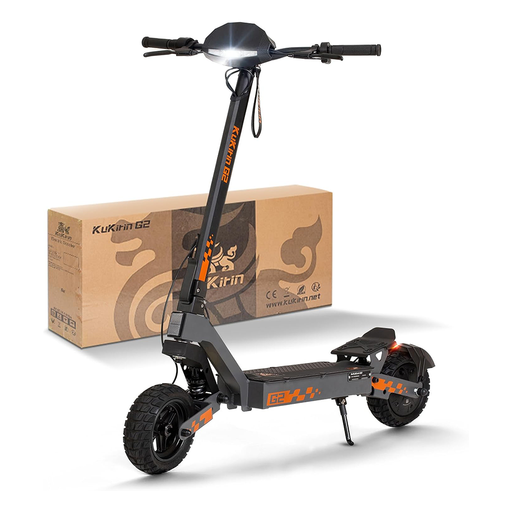
Why it suits this type of rider: This model is worth considering if you’re an adult looking for a compact e-scooter for shorter journeys and leisure use, with ease of use and suspension in mind.
The specifications list a maximum range of 65 km, two speed modes, and front and rear disc brakes. This makes key details clearer before you buy than a general claim about comfort would.
48 V 15.6 Ah battery, 10-inch tyres, touchscreen dashboard, hand brake and four-bar suspension, according to the product listing.
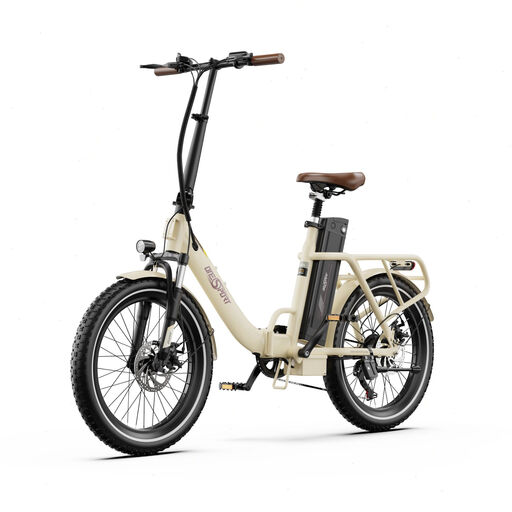
Why it suits this type of rider: This version is a good fit for commuters who want to cover longer distances and value wide tyres and a braking system on both wheels.
The product listing specifies 48 V, 17 Ah, 20 x 3-inch tyres and front and rear disc brakes. The stated 120 km is a maximum range in assistance mode, not a guaranteed daily distance.
48 V 17 Ah battery, maximum stated range of 120 km in assistance mode, 20 x 3-inch tyres and two disc brakes.
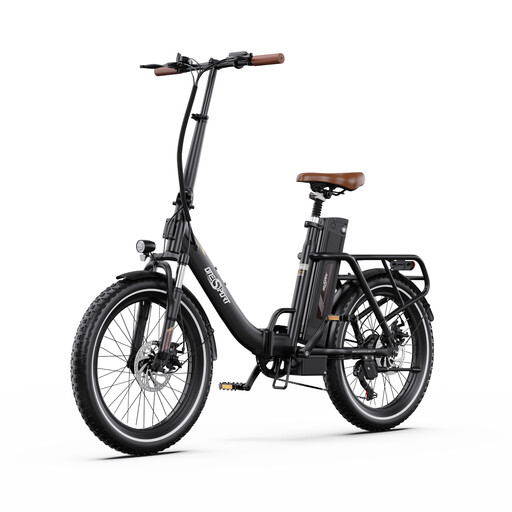
Why it suits this type of rider: A suitable choice if you’re looking for an electric bike for longer leisure rides or frequent commuting, with the same technical foundations in a different finish.
The battery and tyre sizes are clearly listed. This lets you check in advance whether 17 Ah, 20 x 3-inch tyres and the available storage space suit your route and maintenance plans.
48 V 17 Ah battery, maximum stated range of 120 km in assistance mode, wide 20 x 3-inch tyres, and front and rear disc brakes.
We’ve put together a complete, up-to-date list of products that meet these strict selection criteria and the applicable European safety regulations.
The cost depends on the battery capacity and the current electricity tariff. You can estimate the charging cost using: battery capacity in kWh × electricity price. A 48 V, 17 Ah battery theoretically contains around 0.82 kWh. Charging losses may make the actual electricity used slightly higher.
Battery life depends on how often it’s charged, storage temperature, use and maintenance. Don’t leave the battery completely flat for long periods. Use a suitable charger and store it according to the manufacturer’s instructions. If you use the vehicle frequently, check whether a replacement battery is available.
No. Not every e-scooter is automatically approved for use on public roads. Check the latest information from the relevant Dutch authorities, whether the specific model is approved, any registration and insurance requirements, and the rules on lighting and use. Product details such as 48 V, a 65 km range or disc brakes don’t, by themselves, tell you whether the vehicle is legally approved for road use.
