
Vandaag of morgen in huis

Kwaliteit gegarandeerd

Welkomstaanbiedingen ontgrendelen: GRATIS bezorging | Tot 80% korting | Gratis 30 dagen JoyPlus-proefperiode
Download de app
An electric bike can make everyday journeys easier, but an attractive price or impressive range doesn’t tell you everything. With e-bikes in particular, unclear battery specifications, unsuitable tyres or a frame that’s awkward to transport can lead to a purchase you regret.
So don’t focus only on the wattage or a promised range. Check the dimensions, weight, brakes and charging time, as well as the rules for using the bike on public roads in the Netherlands.
A 250W electric bike often falls within the usual specifications for a standard e-bike. However, the level of assistance, speed limit, weight of the bike and hills along your route also affect how comfortable it is to ride.
A higher peak power doesn’t automatically mean that a bike delivers more power continuously. Check whether the stated 250W is the rated power, and whether any additional claims are clearly presented as product information from the brand.
An electric bike with a long range won’t cover the same distance in every real-world situation. Rider weight, tyre pressure, wind, temperature, hills and your chosen assistance level all affect energy consumption.
For example, a 48V 18.2Ah battery contains more energy than a smaller battery pack, but the stated range is still only a guide. According to the Mangosteen FT03 product description, its maximum stated range is 75 km. Don’t treat this as a guaranteed distance for every route.
A heavy fat bike can feel stable, but it’s harder to lift or take with you. A folding electric bike is more convenient for a flat, train journey or small storage space, but always check its folded dimensions and total weight.
Small wheels also make a difference. A 14-inch tyre, like the one on a mini e-bike, handles uneven paving differently from wide 20-inch tyres. Choose a bike to suit your regular route, not just its appearance.
Pay attention to the combination of voltage and amp-hours. A 36V battery with 10Ah has a different energy capacity from a 48V battery with 18.2Ah. A removable battery is handy if you want to charge it at work or live somewhere without a dedicated bike storage area.
Also check:
Safe use is important with lithium-ion batteries. Stop charging if you notice an unusual smell, deformation or excessive heat, and always follow the manufacturer’s instructions.
For city journeys, standard tyres and mechanical or hydraulic disc brakes may be enough, depending on the model. Wider tyres provide more contact with the ground on unpaved paths, but they usually add weight and rolling resistance too.
According to the product description, the Mangosteen FT03 has 20 x 4.5-inch fat tyres, dual suspension and hydraulic disc brakes. The bike weighs 42 kg and has a stated maximum load of 120 kg. This makes it less suitable if you regularly need to carry it up stairs.
A standard e-bike usually provides assistance up to a maximum of 25 km/h and is pedal-assisted. Before buying, check that the model meets Dutch requirements. A throttle, higher design speed or different controls may affect its legal classification.
Also check the lights, reflectors, bell, brakes and manual. A seller’s product information is no substitute for checking the current Dutch rules.

Why it suits this type of rider: This compact 14-inch mini e-bike, with a 250W motor and 36V10Ah battery, is suited to short city journeys, commuting and anyone with limited storage space.
The product name clearly states the motor power, battery voltage and capacity, and wheel size. This lets you compare these details in advance rather than relying solely on a general marketing claim.
250W motor, 36V10Ah battery and a compact folding design, according to the product listing.
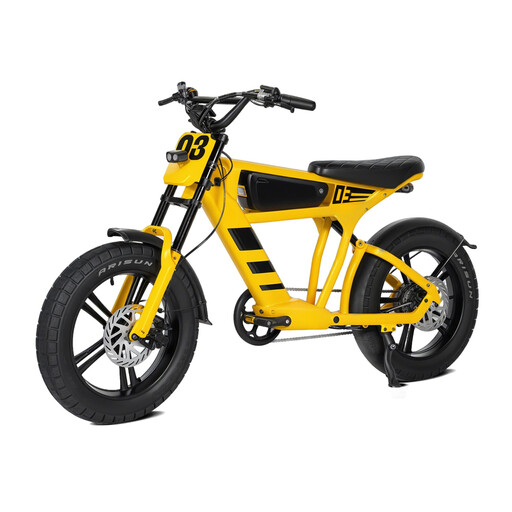
Why it suits this type of rider: This fat bike is aimed at riders who value wide tyres, suspension and a large battery for leisure rides across a variety of surfaces.
The specifications list more than just the range: they also include the 42 kg weight, tyre size, 6–7-hour charging time and maximum load of 120 kg. This information helps you make a realistic assessment.
48V18.2Ah lithium-ion battery, hydraulic disc brakes, dual suspension and 20 x 4.5-inch tyres, according to the product description.
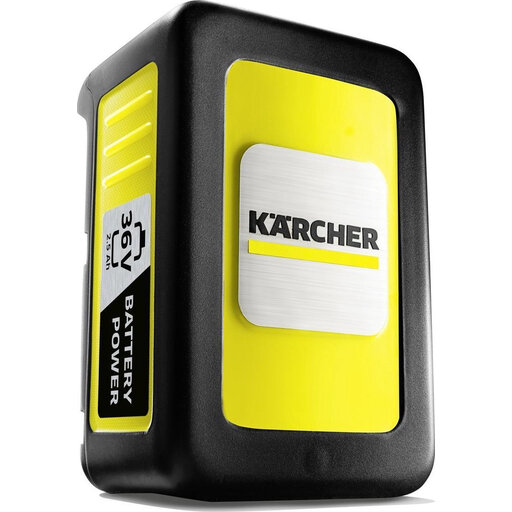
Why it suits this type of user: This isn’t a drive battery for an e-bike. It’s a specific option for Kärcher users looking for a 36V lithium-ion battery as a replacement or spare.
Before buying, check that your Kärcher appliance uses the 36V platform and compare model number 2.445-031.0. Matching voltage alone isn’t enough if the connector or platform is different.
36V lithium-ion technology, stated capacity of 4800mAh, weight of 1.50 kg and one battery included.
We’ve put together a complete, up-to-date list of products that meet these strict selection criteria and the applicable European safety regulations.
It depends on the battery capacity, assistance level, speed, temperature, tyre pressure, route and total weight. Treat the stated range as a guide. If you commute every day, it’s wise to leave some extra room, so a headwind or detour doesn’t leave you with a flat battery.
Battery life depends on charging cycles, storage temperature, use and maintenance. Store a lithium-ion battery in a dry place and follow the manufacturer’s instructions. Don’t leave it completely discharged for long periods, and before replacing it, check that the voltage, connection, capacity and bike platform are compatible.
A model with pedal assistance up to 25 km/h generally falls under the rules for a standard electric bike, but the complete specification determines its classification. Check the controls, speed, lights, brakes and documentation. If in doubt, consult the latest information from the Dutch government or RDW.
