
Vandaag of morgen in huis

Kwaliteit gegarandeerd

Welkomstaanbiedingen ontgrendelen: GRATIS bezorging | Tot 80% korting | Gratis 30 dagen JoyPlus-proefperiode
Download de app
As a new parent, every moment of peace is precious. Calming your baby is a full-time job, but sometimes you just need your hands free. An electric bouncer can be a lifesaver. While it's no substitute for parental contact, it's a tool that gently rocks and soothes your baby, giving you a moment to recharge or get something else done.
In this article, we'll provide practical guidance to help you choose a model that fits your needs. We'll look at the most important features and safety aspects, and highlight a popular model.
The number of options can be overwhelming. To help you get started, we've outlined a few key points based on product specifications and user safety.
Safety comes first. A good baby bouncer must comply with European safety standards. Look for the following features:
The "electric" aspect is what sets these bouncers apart. An automatic bouncer takes over the rocking for you. Pay attention to these features:
An electric bouncer is intended for the first few months of life, usually up to a weight of about 9 kg or until your child can sit up independently. After this period, your child's needs change, and it's time for other toys that stimulate motor development. Think of a rocking horse or an outdoor play set, like a swing set. It's a good idea to start thinking about this for the future.
Based on functionality, design, and ease of use, we have selected a model that appeals to many parents.
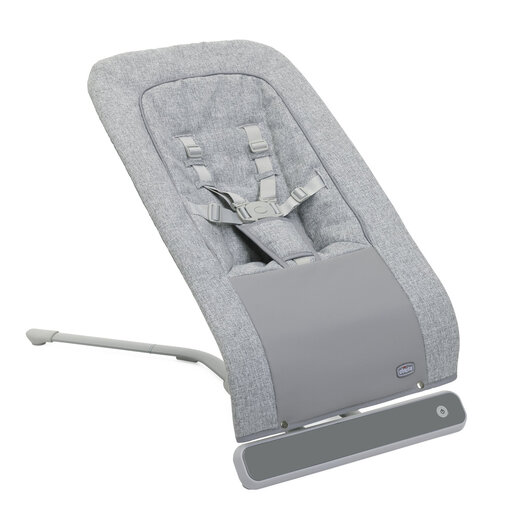
Why It Stands Out The Chicco Rhythm’n’Sound is notable for its minimalist and modern design. Its key feature is the side-to-side swaying motion, which manufacturer Chicco designed to mimic a parent's natural rocking. This can help soothe a fussy baby.
Advantages
Who Is It For? This model is a great choice for parents living in a smaller home or apartment who value a clutter-free interior. Its portability also makes it a practical option for those who frequently visit family or friends.
View the Chicco Rhythm’n’Sound Baby Bouncer
While your baby relaxes in the bouncer, it's important to think about your own comfort too. The hours spent feeding, comforting, and watching over your little one can take their toll. A comfortable chair for yourself is a welcome relief.
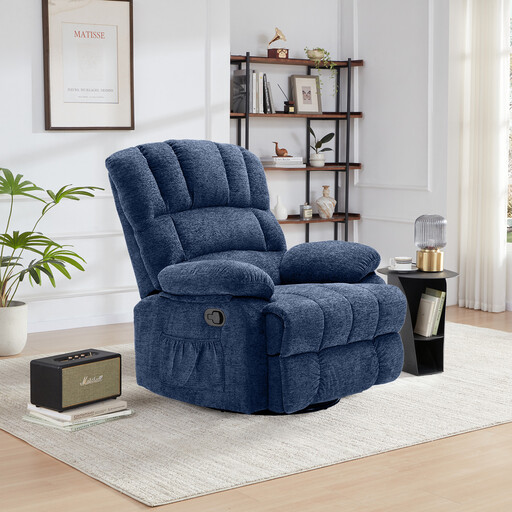
The HONEYOU Swivel Recliner Chair is an example of a chair designed for relaxation. With a 360-degree swivel function and an adjustable backrest, this type of chair offers support and comfort during long nights or quiet moments during the day.
View the HONEYOU Swivel Recliner Chair
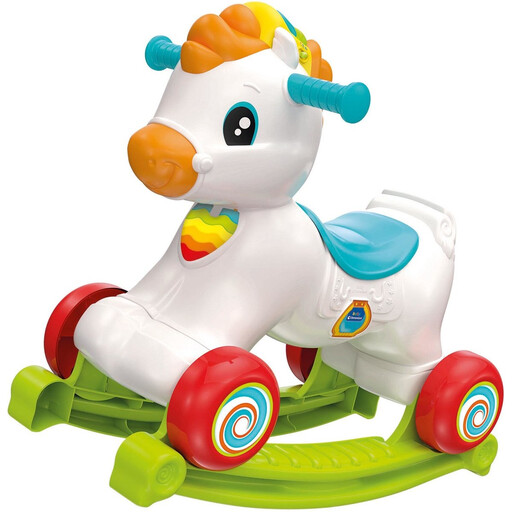
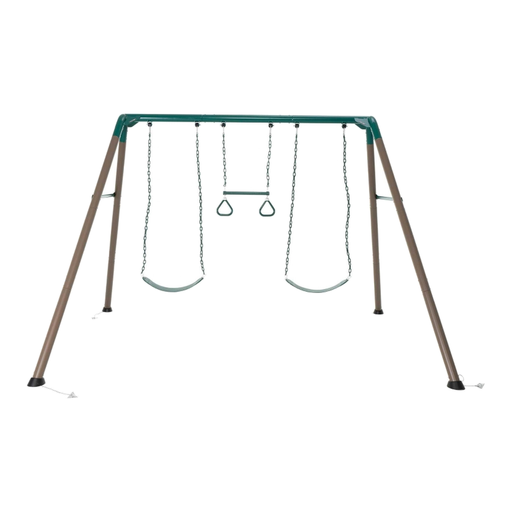
Your baby grows quickly. Before you know it, the electric baby swing phase will be over, and it will be time for toys suitable for a toddler. Products like the Clementoni Baby 3-in-1 Pony offer fun as a rocking horse and a ride-on toy. For outdoor fun, a Lifetime Kids Swing Set is a durable option for the garden.
If our recommended model isn't quite what you're looking for, or if you want to compare more types of bouncers and swings, discover more possibilities in our full collection.
1. From what age can a baby use an electric bouncer? Most electric bouncers are designed as a bouncer from birth. Always check the manufacturer's specifications, but generally, you can use them until your baby weighs about 9 kg or can sit up independently. Stop using the bouncer as soon as your child tries to climb out of it.
2. Is an automatic bouncer safe for my baby? Yes, when used correctly. Always place the bouncer on a flat, stable surface and use the safety harness. Never leave your baby unattended in the bouncer and do not use it as a sleeping space for the night. Follow the manufacturer's safety instructions carefully.
3. What is the difference between a bouncer and a baby swing? A traditional baby bouncer moves with the baby's own movements or with a push from a parent. An electric baby swing has a motor that provides a continuous, automatic swinging motion. Electric models often offer more features, such as different speeds and sounds.
